
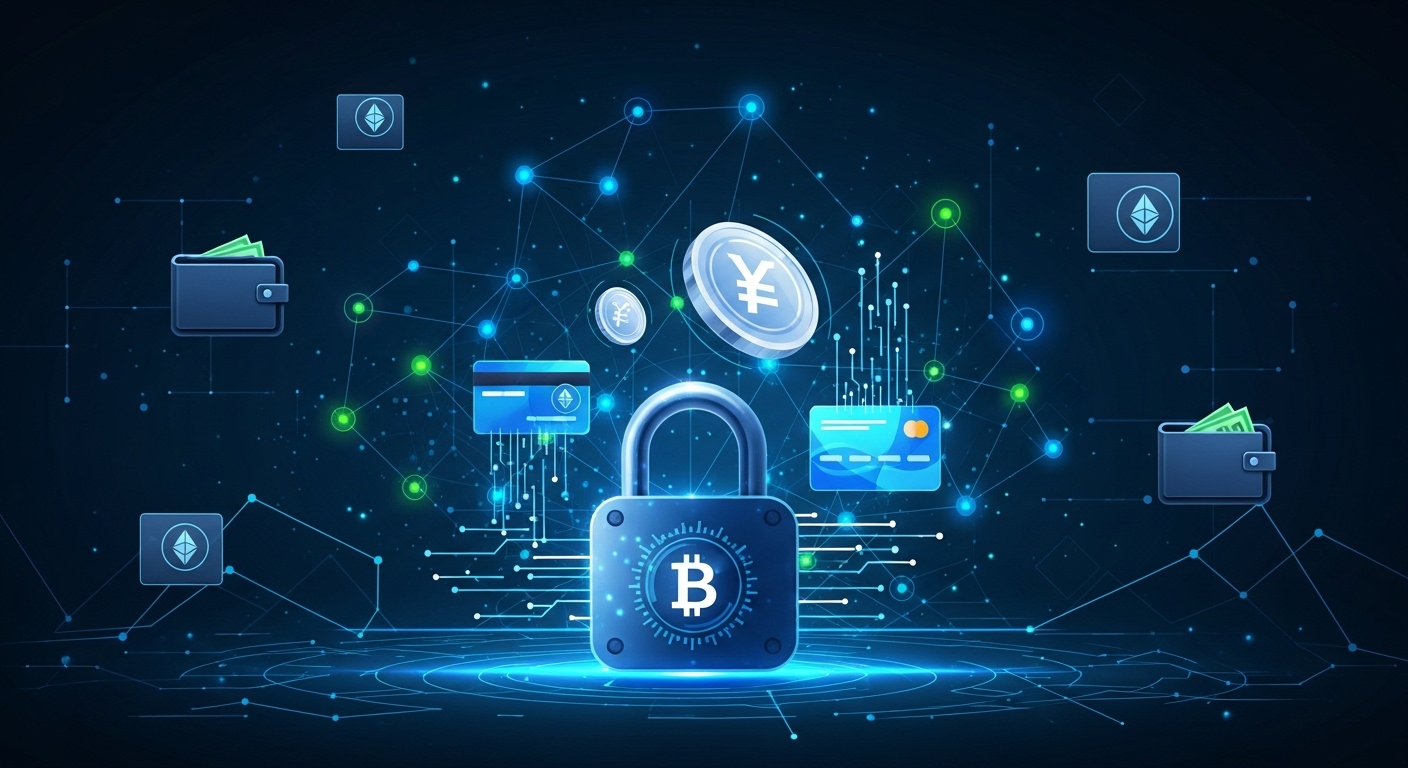
How to Use Blockchain for Secure Online Transactions is one of the most important questions for individuals and businesses operating online today. As cyber threats grow and trust in centralized systems declines, blockchain technology offers a transparent, tamper-resistant, and secure way to transfer value and data over the internet.
Whether you run an online business, work in affiliate marketing, manage digital payments, or explore passive income opportunities, understanding how blockchain secures online transactions can give you a powerful competitive advantage.
This guide explains how blockchain works, why it improves security, and how you can use it safely for everyday online transactions.
What Is Blockchain Technology?
Blockchain is a decentralized digital ledger that records transactions across a network of computers. Instead of relying on a single authority like a bank or payment processor, blockchain distributes transaction data across multiple nodes.
Each transaction is grouped into a block. Once verified, the block is added to a chain of previous blocks. This structure makes blockchain records extremely difficult to alter or hack.
You can learn more about the technical foundations of blockchain at Ethereum.org.
Why Blockchain Is Ideal for Secure Online Transactions
Traditional online payment systems depend on centralized databases. If those systems are compromised, sensitive data such as credit card numbers and personal information can be stolen.
Blockchain solves this problem through decentralization and cryptography. Instead of storing data in one place, information is distributed and encrypted across the network.
Key Security Advantages of Blockchain
Decentralization: No single point of failure exists, reducing the risk of large-scale hacks.
Immutability: Once data is recorded, it cannot be changed without network consensus.
Transparency: Transactions can be publicly verified while still protecting user identities.
Cryptographic Protection: Advanced encryption ensures that only authorized parties can access transaction details.
How Blockchain Secures Online Transactions Step by Step
Understanding the transaction process helps explain why blockchain is so secure.
1. Transaction Initiation
A user initiates a transaction using a digital wallet. This could involve sending cryptocurrency, paying for a product, or transferring digital assets.
2. Encryption and Digital Signatures
The transaction is encrypted and signed using a private key. This signature proves ownership without revealing sensitive information.
3. Network Verification
Nodes on the blockchain network validate the transaction using consensus mechanisms like Proof of Work or Proof of Stake.
4. Block Creation
Validated transactions are grouped into a block and linked to previous blocks.
5. Permanent Record
The transaction becomes a permanent, tamper-resistant part of the blockchain.
Using Blockchain Wallets for Secure Payments
Digital wallets are essential for blockchain-based transactions. They store your private keys and allow you to send and receive funds securely.
There are two main wallet types:
Hot Wallets: Connected to the internet. Convenient but slightly higher risk.
Cold Wallets: Offline storage devices. Highly secure for large transactions.
Popular wallet providers include MetaMask and Ledger.
Smart Contracts and Transaction Security
Smart contracts are self-executing agreements coded on the blockchain. They automatically enforce transaction terms without intermediaries.
This eliminates human error and reduces fraud. Smart contracts are widely used in decentralized finance, digital marketplaces, and online business platforms.
For example, in affiliate marketing, smart contracts can automatically release commissions once verified sales occur.
Blockchain for E-Commerce and Online Businesses
Blockchain is transforming e-commerce by enabling secure payments, transparent supply chains, and reduced chargebacks.
For entrepreneurs running a dropshipping business, blockchain can verify suppliers, track shipments, and prevent payment disputes.
Businesses comparing affiliate vs dropshipping models often find blockchain-based payments faster and cheaper than traditional gateways.
Reducing Fraud and Chargebacks
Chargeback fraud is a major problem for online merchants. Blockchain transactions are irreversible, which protects sellers from fraudulent refund claims.
This makes blockchain especially valuable for digital products, subscriptions, and international payments.
Blockchain and Passive Income Opportunities
Secure transactions are the foundation of reliable passive income. Blockchain enables income streams such as:
• Staking rewards
• Affiliate payouts
• Digital asset royalties
• Decentralized lending
Because transactions are transparent and verifiable, users can trust the system without relying on intermediaries.
How to Start Using Blockchain for Secure Online Transactions
Choose the Right Blockchain Network
Popular networks include Ethereum, Binance Smart Chain, and Solana. Each offers different transaction speeds and fees.
Set Up a Secure Wallet
Use a reputable wallet and store your recovery phrase offline. Never share private keys.
Verify Transaction Details
Always double-check wallet addresses and transaction amounts before confirming.
Use Trusted Platforms
Only transact on well-reviewed platforms and decentralized applications.
Common Mistakes to Avoid
Despite its security, blockchain users can still make costly mistakes.
• Sending funds to the wrong address
• Falling for phishing scams
• Using unverified smart contracts
• Storing private keys online
Education and caution are essential for secure blockchain usage.
Future of Blockchain in Online Transactions
As adoption grows, blockchain will become a standard for secure online payments. Governments, banks, and global companies are already integrating blockchain solutions.
For individuals involved in online business, affiliate marketing, or exploring passive income, blockchain offers long-term security and efficiency.
Final Thoughts
How to Use Blockchain for Secure Online Transactions is no longer just a technical topic. It is a practical skill for anyone operating online.
By using blockchain wallets, smart contracts, and trusted networks, you can protect your transactions, reduce fraud, and build trust with customers and partners.
As digital commerce evolves, blockchain security will play a central role in shaping the future of online transactions.