
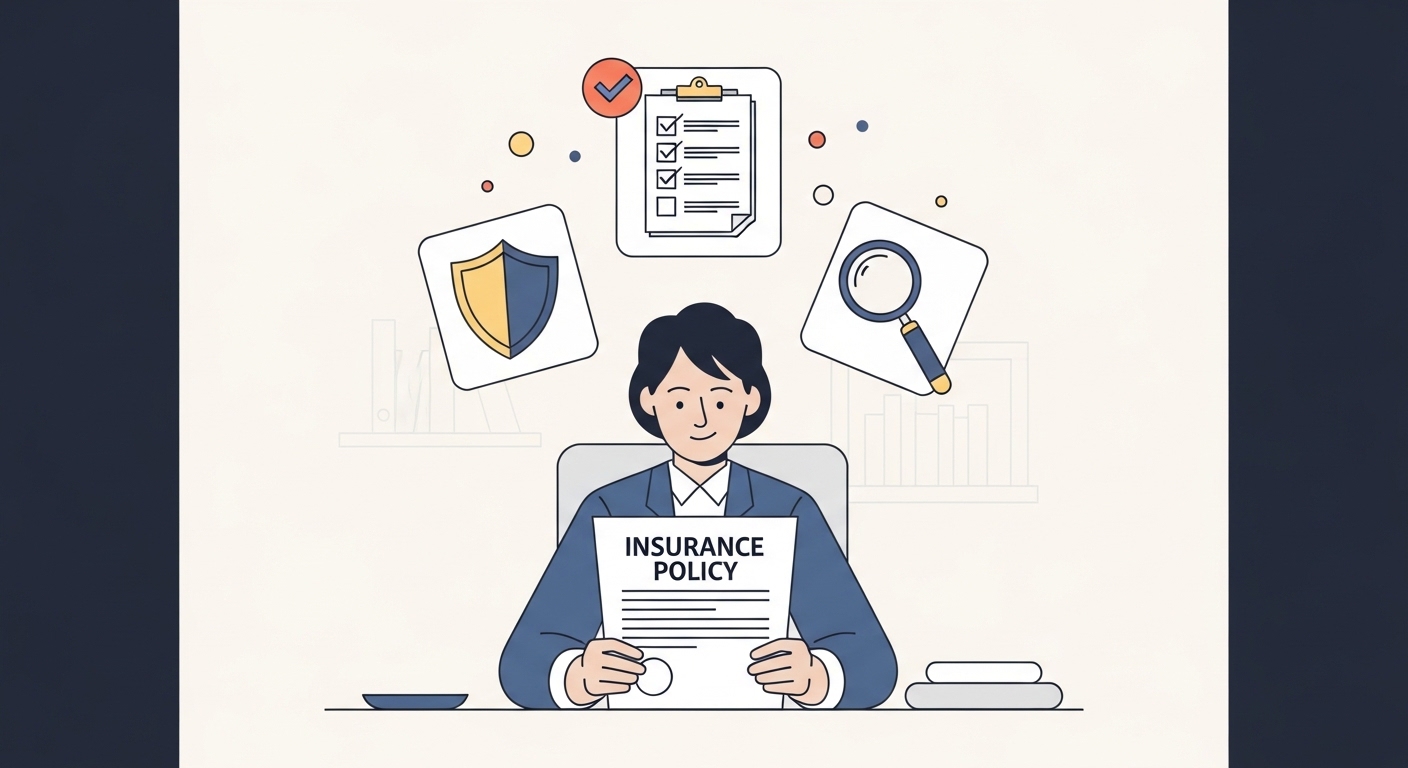
How to understand insurance policies without a lawyer is a skill that can save you time, money, and frustration. Insurance documents are often written in dense legal language that feels intentionally confusing. But the truth is, you do not need a law degree to understand what your policy really covers.
With the right approach, you can confidently read, compare, and evaluate insurance policies on your own. This guide breaks everything down into simple steps so you can protect yourself, avoid costly surprises, and make smarter financial decisions.
Why Insurance Policies Seem So Complicated
Insurance policies are legal contracts. They are designed to protect insurance companies from risk while clearly defining their obligations to you. This leads to long sentences, technical terms, and vague wording.
However, complexity does not mean impossibility. Once you know what sections matter most, the entire document becomes far easier to navigate.
Start With the Declarations Page
The declarations page is your best friend. It provides a summary of your policy in plain terms. Always read this page first.
Key details to check on the declarations page
• Policyholder name
• Policy number
• Coverage limits
• Deductibles
• Premium amount
• Policy period
If you understand this page, you already understand 60% of the policy. Everything else explains or limits what is shown here.
Learn the Most Common Insurance Terms
Insurance policies reuse the same terminology across providers. Learning a few key terms will dramatically improve your understanding.
Essential insurance terms explained
Premium: The amount you pay for coverage.
Deductible: The amount you pay before insurance kicks in.
Coverage limit: The maximum amount the insurer will pay.
Exclusion: Situations or items not covered.
Endorsement: A modification to the original policy.
Once you know these, policy language becomes far less intimidating.
Understand What Is Covered Before What Is Not
Many people make the mistake of reading exclusions first. This can be overwhelming. Instead, focus on coverage sections first.
Ask yourself one simple question: “What events does this policy protect me from?” Then confirm the dollar limits and conditions.
Only after that should you move on to exclusions, which explain when coverage does not apply.
Pay Close Attention to Exclusions
Exclusions are often where costly misunderstandings happen. These sections limit the insurer’s responsibility.
For example, a health policy may exclude certain pre-existing conditions. A home insurance policy may exclude flood damage unless you buy additional coverage.
Always scan exclusions carefully and decide if the risk is acceptable for your situation.
Watch for Conditional Language
Insurance policies often rely on conditional phrases. These can change the meaning of coverage significantly.
Words that signal conditions
• “Only if”
• “Provided that”
• “Subject to”
• “Unless otherwise stated”
If coverage depends on certain actions, such as regular maintenance or timely reporting of claims, those conditions matter.
Check the Claims Process Section
A policy is only valuable if you can successfully file a claim. The claims section explains how and when you must act.
Look for deadlines, required documentation, and reporting methods. Missing a step can result in a denied claim, even if the event is covered.
This is especially important for people running an online business or side hustle, where delays can be costly.
Understand Deductibles and Out-of-Pocket Costs
Lower premiums often come with higher deductibles. Understanding this trade-off helps you choose smarter coverage.
Ask yourself whether you could comfortably afford the deductible in an emergency. If not, the policy may not be as helpful as it looks.
This mindset mirrors financial decision-making in areas like affiliate vs dropshipping, where upfront costs and long-term returns must be balanced.
Compare Policies Side by Side
Never read a policy in isolation. Comparing two or three options makes differences obvious.
Create a simple checklist with coverage limits, exclusions, deductibles, and premiums. This method reveals value more clearly than marketing brochures.
You can also use comparison tools from trusted resources like
National Association of Insurance Commissioners.
Use Plain-English Summaries Wisely
Many insurers provide simplified summaries. These are helpful, but they are not legally binding.
Use them as a guide, not a substitute. Always confirm details in the full policy document.
Know When to Ask Questions
You do not need a lawyer, but you should ask questions when something is unclear.
Insurance agents are legally required to explain coverage accurately. Ask them to clarify confusing clauses in writing.
This habit is similar to learning the details of affiliate marketing, where clarity upfront prevents disappointment later.
Avoid Common Insurance Reading Mistakes
Skipping definitions
Defined terms may differ from everyday meaning. Always check the definitions section.
Assuming coverage is automatic
Some policies require add-ons or endorsements for full protection.
Ignoring renewal changes
Policies can change at renewal. Always review updates.
Digital Tools That Make Insurance Easier
Several online tools can help translate insurance language into plain English.
Policy comparison platforms, insurer FAQs, and consumer education sites make understanding easier than ever.
This ease of access is similar to how people build passive income streams by leveraging online tools instead of experts.
How Understanding Insurance Improves Your Financial Life
When you understand your insurance, you make better financial decisions.
You avoid overpaying for unnecessary coverage and reduce the risk of uncovered losses.
This confidence supports broader goals like starting a dropshipping business, protecting business assets, or planning long-term wealth.
When You Might Still Need Professional Help
While most policies can be understood independently, some situations require expert review.
These include complex commercial insurance, international coverage, or high-value assets.
In those cases, consulting a professional is a smart investment, not a failure.
Final Thoughts
Learning how to understand insurance policies without a lawyer empowers you to protect yourself and your finances.
By focusing on key sections, learning basic terminology, and asking the right questions, you can confidently manage your insurance needs.
Insurance should provide peace of mind, not confusion. With the approach outlined here, you can take control and make insurance work for you.
For more financial clarity, explore our guides on
building passive income and
starting an online business.