
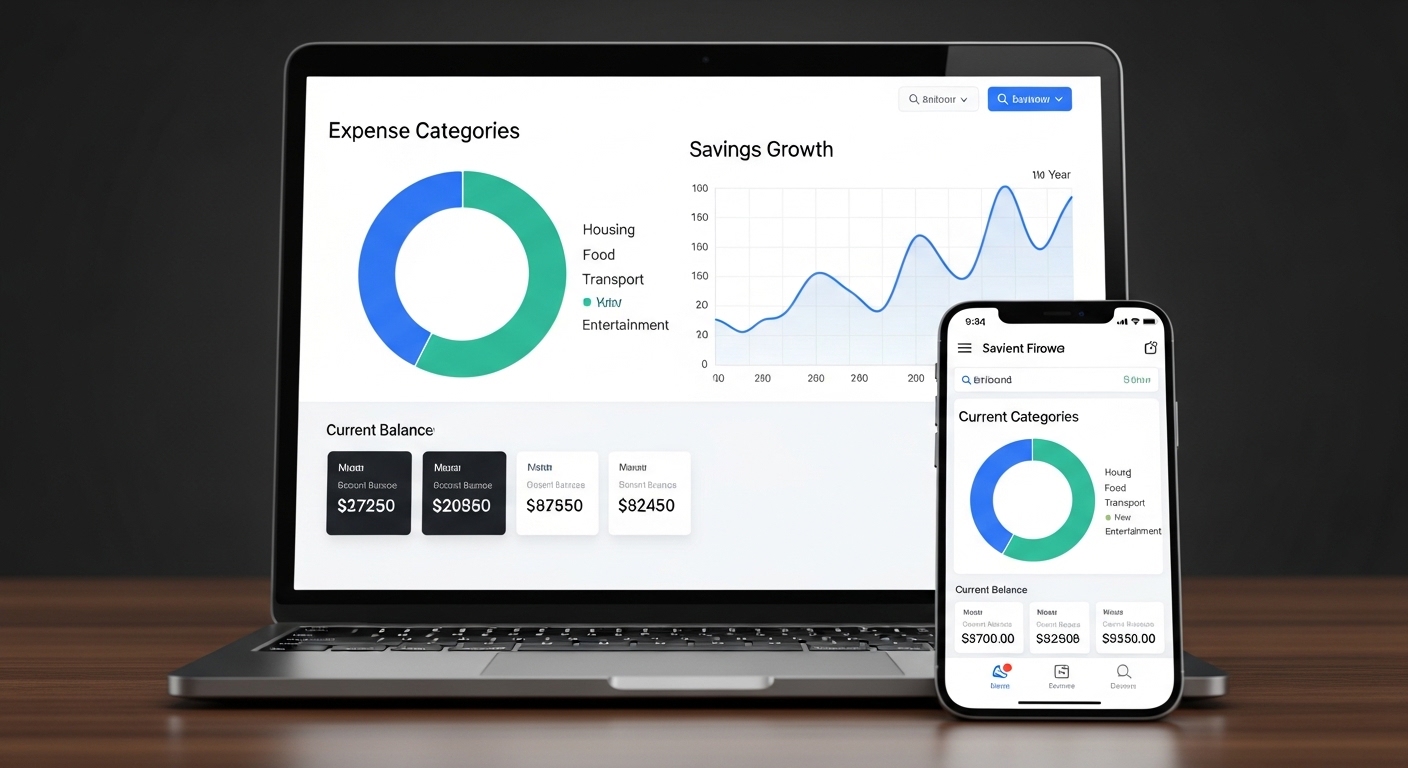
Learning how to track expenses automatically and save more every month is one of the smartest financial habits you can build. Many people want to save money but feel overwhelmed by spreadsheets, receipts, and manual budgeting. The good news is that modern tools can do most of the work for you.
Automatic expense tracking removes guesswork, reduces stress, and helps you see exactly where your money goes. When you clearly understand your spending patterns, saving more each month becomes realistic and sustainable.
This guide will show you how to track expenses automatically, choose the right tools, and turn everyday insights into long-term financial growth.
Why Automatic Expense Tracking Matters
Manual budgeting often fails because it relies on memory and discipline alone. Automatic expense tracking solves this problem by capturing transactions in real time.
When you automate tracking, you:
- See spending patterns instantly
- Avoid missed or forgotten expenses
- Make better decisions without emotional bias
- Save time every month
Understanding how to track expenses automatically and save more every month gives you control over your money, even if your income is inconsistent.
How Automatic Expense Tracking Works
Automatic expense tracking connects your financial accounts to a system that categorizes and records transactions for you. These tools typically link to:
- Bank accounts
- Credit and debit cards
- Digital wallets
Each transaction is automatically assigned to categories like groceries, transport, subscriptions, or entertainment. This real-time data allows you to monitor spending without manual input.
Is Automatic Tracking Safe?
Most reputable platforms use bank-level encryption and read-only access. This means they can view transactions but cannot move your money.
Before choosing a tool, always check its security certifications and privacy policies.
Best Tools to Track Expenses Automatically
Choosing the right tool is key when learning how to track expenses automatically and save more every month. The best tool depends on your lifestyle, income type, and goals.
Budgeting Apps
Budgeting apps are ideal for beginners and busy professionals. They provide dashboards, alerts, and monthly reports.
Popular features include:
- Automatic transaction syncing
- Custom spending categories
- Spending alerts and reminders
Examples include free and premium apps that integrate easily with most banks.
Bank-Based Expense Trackers
Many banks now offer built-in expense tracking tools. These are convenient because they require no third-party connections.
However, they may lack advanced insights or customization compared to dedicated apps.
Spreadsheets with Automation
Advanced users sometimes prefer spreadsheets connected through APIs or financial integrations. This approach offers flexibility but requires setup and maintenance.
It works best for freelancers or people running an online business who want deeper financial control.
Setting Up Automatic Expense Tracking Step by Step
To truly master how to track expenses automatically and save more every month, you need a proper setup.
Step 1: Link All Accounts
Connect every account you use regularly, including savings, credit cards, and digital wallets. Missing accounts lead to incomplete data.
Step 2: Review Categories
Most tools auto-categorize expenses, but reviewing them improves accuracy. Adjust categories to match your real spending habits.
Step 3: Set Spending Limits
Create monthly limits for key categories like dining, shopping, and subscriptions. Alerts help prevent overspending.
Step 4: Enable Notifications
Real-time notifications keep you aware of unusual spending and recurring charges.
How Automatic Tracking Helps You Save More Every Month
Tracking alone does not save money. The real value comes from using the data to change behavior.
Identifying Hidden Spending
Small, frequent expenses add up. Automatic tracking reveals patterns you may not notice, such as unused subscriptions or impulse purchases.
Improving Cash Flow
When you know where money leaks occur, you can redirect funds toward savings or passive income opportunities.
Making Smarter Financial Decisions
Expense data helps you decide whether to invest, cut costs, or reinvest in growth opportunities like affiliate marketing or skill development.
Expense Tracking for Side Hustles and Online Income
If you earn money online, expense tracking becomes even more important.
Whether you run a blog, sell digital products, or explore affiliate vs dropshipping, tracking expenses ensures profitability.
Separating Personal and Business Expenses
Automatic tracking tools allow you to tag transactions as personal or business-related. This is essential for budgeting and taxes.
Monitoring Profit Margins
If you run a dropshipping business, expense tracking helps you monitor ad costs, platform fees, and fulfillment expenses.
For affiliate marketing, tracking software subscriptions and hosting fees keeps your income realistic and measurable.
Common Mistakes to Avoid
Even with automation, mistakes can reduce the benefits.
- Ignoring monthly reports
- Not updating categories
- Tracking only some accounts
- Failing to act on insights
Expense tracking works best when reviewed regularly and used to guide decisions.
How Often Should You Review Your Expenses?
Automation does not mean neglect. A simple review routine keeps you on track.
- Weekly: Quick check for unusual spending
- Monthly: Full review and budget adjustments
- Quarterly: Long-term planning and savings goals
This habit reinforces how to track expenses automatically and save more every month without becoming overwhelming.
Turning Savings into Long-Term Growth
Once you save consistently, the next step is growth.
Redirect saved money toward:
- Emergency funds
- Investments
- Skill-building courses
- Scalable online business ideas
Automatic expense tracking supports smarter decisions by showing what you can realistically invest.
Final Thoughts
Mastering how to track expenses automatically and save more every month is not about restriction. It is about awareness and control.
With the right tools and habits, you can reduce financ