
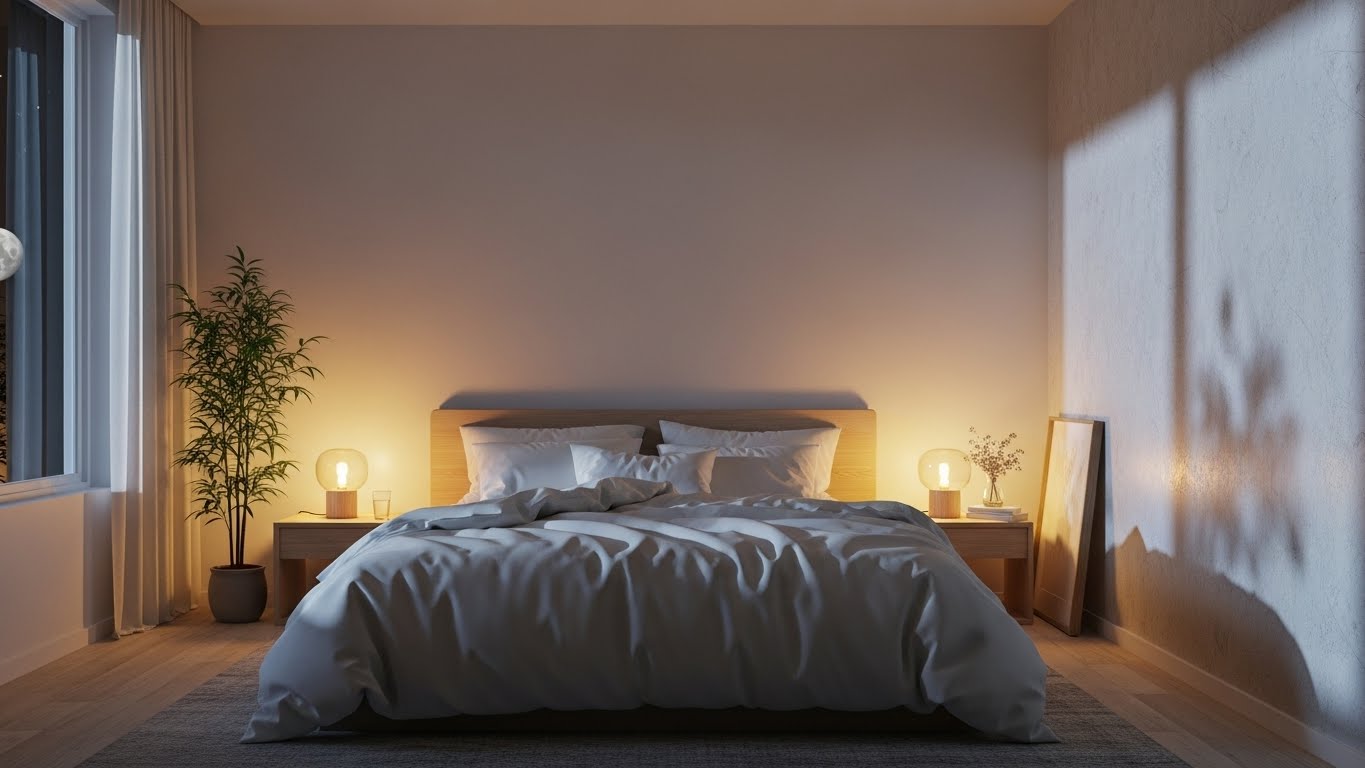
How to sleep better at night without medication is one of the most searched health questions today. Millions of people struggle with poor sleep, yet many want to avoid sleeping pills due to side effects, dependency, and long-term risks.
The good news is that science shows you can dramatically improve sleep quality using natural, evidence-based strategies. This guide explains how sleep works, why it breaks down, and what you can do tonight to sleep better—without medication.
Whether you are a student, professional, or building an online business that depends on mental clarity, quality sleep is essential for focus, productivity, and long-term health.
Why Sleep Problems Are So Common Today
Modern lifestyles are not designed for good sleep. Artificial light, screens, stress, and irregular schedules disrupt our natural sleep-wake rhythm.
Research shows that chronic sleep deprivation increases the risk of heart disease, obesity, depression, anxiety, and impaired memory. Poor sleep also reduces decision-making ability, which is critical for people working toward passive income or managing demanding careers.
Understanding the root causes of poor sleep is the first step to fixing it naturally.
The Role of Your Circadian Rhythm
Your circadian rhythm is your body’s internal clock. It regulates when you feel alert and when you feel sleepy.
This clock is controlled primarily by light exposure. Blue light from phones, laptops, and TVs suppresses melatonin, the hormone that signals sleep.
When melatonin release is delayed, falling asleep becomes harder—even if you feel exhausted.
How to Sleep Better at Night Without Medication: Core Principles
Science-based sleep improvement focuses on aligning your behavior with your biology.
Below are proven methods recommended by sleep researchers, neurologists, and cognitive behavioral therapists.
1. Optimize Your Sleep Environment
Your bedroom should signal safety, darkness, and calm to your nervous system.
Make Your Room Dark
Even small amounts of light can disrupt sleep cycles. Use blackout curtains or an eye mask.
Avoid LED alarm clocks or devices with standby lights.
Keep It Cool
Studies show the ideal sleep temperature is between 16–20°C (60–68°F).
A cooler room helps your body initiate sleep by lowering core temperature.
Reduce Noise
If silence is not possible, use white noise or soft ambient sounds. This helps stabilize sleep stages and prevent awakenings.
2. Fix Your Light Exposure (Day and Night)
Light exposure is one of the most powerful tools for improving sleep naturally.
Get Morning Sunlight
Expose your eyes to natural sunlight within 30–60 minutes of waking.
This resets your circadian rhythm and improves melatonin release at night.
Even 10–15 minutes of outdoor light can make a significant difference.
Reduce Evening Blue Light
Avoid screens at least one hour before bed.
If unavoidable, use blue-light blocking glasses or night mode filters.
For more details, see research summarized by The Sleep Foundation.
3. Create a Consistent Sleep Schedule
Your body thrives on consistency.
Going to bed and waking up at the same time every day—even on weekends—improves sleep quality more than sleeping longer.
Irregular schedules confuse your circadian rhythm and increase sleep latency.
Anchor Your Wake-Up Time
If you struggle with insomnia, focus on waking up at the same time daily.
Your bedtime will naturally adjust as sleep pressure builds.
4. Manage Stress Before Bed
Stress is one of the most common causes of insomnia.
An overactive nervous system prevents the brain from transitioning into sleep mode.
Use a Wind-Down Routine
Create a 30–60 minute pre-sleep routine that signals relaxation.
Effective activities include:
- Reading (paper books)
- Gentle stretching
- Journaling
- Breathing exercises
Try Physiological Sigh Breathing
This technique involves two short inhales followed by a long exhale.
It activates the parasympathetic nervous system and reduces anxiety quickly.
5. Watch What You Consume
Diet and timing play a major role in sleep quality.
Limit Caffeine
Caffeine has a half-life of 5–7 hours.
Avoid caffeine after early afternoon to prevent nighttime alertness.
Avoid Heavy Late-Night Meals
Large meals close to bedtime disrupt digestion and body temperature regulation.
If hungry, choose a light snack with protein and complex carbohydrates.
6. Use Cognitive Behavioral Techniques for Insomnia (CBT-I)
CBT-I is the gold-standard, non-drug treatment for insomnia.
It focuses on changing thought patterns and behaviors that interfere with sleep.
Research shows CBT-I is more effective long-term than sleeping pills.
You can learn more from NIH sleep research.
Get Out of Bed If You Can’t Sleep
If you are awake for more than 20 minutes, leave the bed.
Do something relaxing until you feel sleepy again.
This retrains your brain to associate bed with sleep—not anxiety.
7. Exercise—But Time It Correctly
Regular exercise improves sleep depth and duration.
However, intense exercise late at night may increase alertness.
Try to finish workouts at least 3–4 hours before bedtime.
Sleep Quality and Productivity
High-quality sleep improves memory, emotional regulation, and creativity.
This is especially important for people running an online business, building affiliate marketing systems, or managing a dropshipping business.
Poor sleep reduces focus and increases impulsive decisions—damaging long-term goals like passive income generation.
Interestingly, many entrepreneurs debate affiliate vs dropshipping models, yet underestimate the impact of sleep on execution and strategy.
When to Seek Professional Help
If insomnia lasts longer than three months, consult a healthcare professional.
Underlying conditions such as sleep apnea, depression, or anxiety may require targeted treatment.
Medication should be a last resort, not the first solution.
Final Thoughts: Better Sleep Without Medication Is Possible
Learning how to sleep better at night without medication is one of the most powerful investments you can make in your health.
Small, consistent changes compound over time.
By aligning your habits with science, you can fall asleep faster, sleep deeper, and wake up refreshed—naturally.
Start tonight. Your future health, productivity, and mental clarity depend on it.