
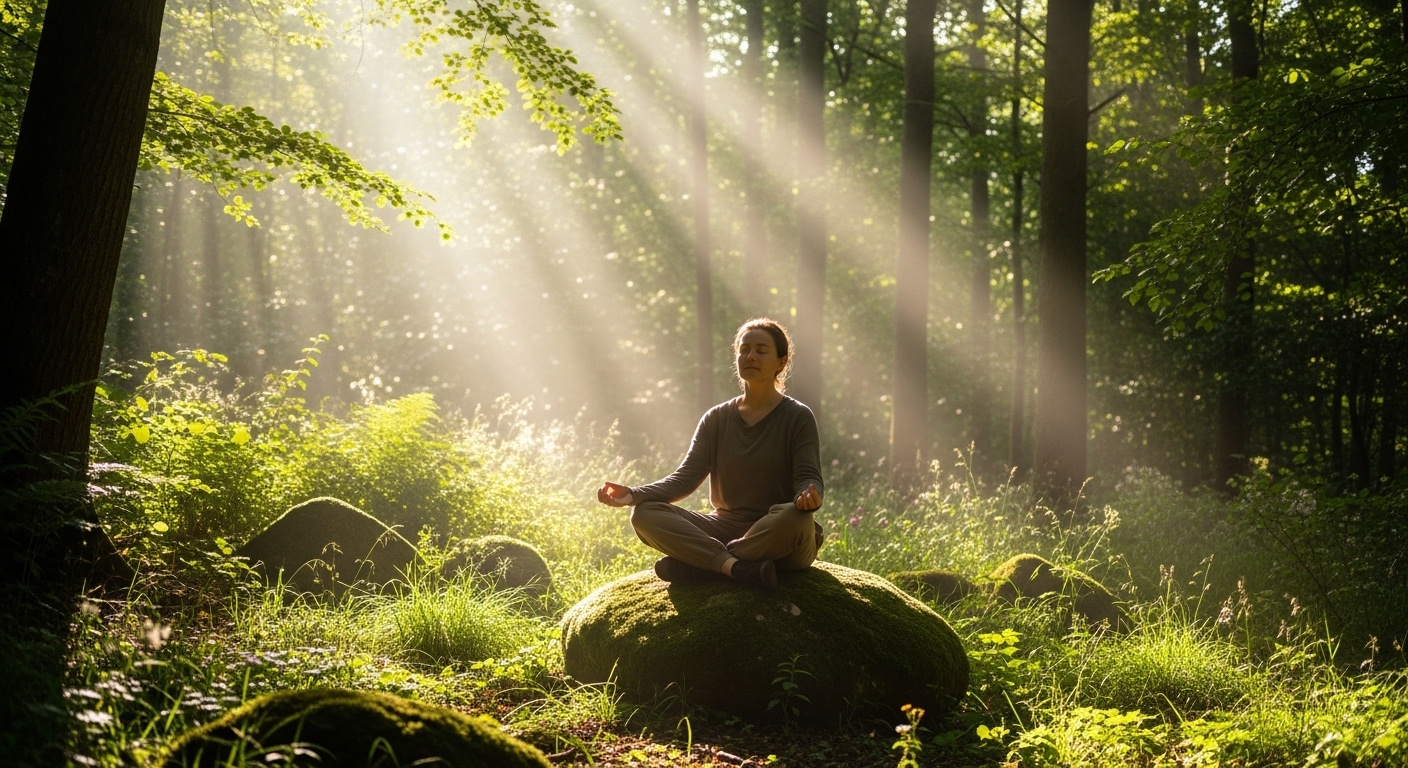
Modern life moves fast. Deadlines, financial pressure, social expectations, and constant notifications can quietly increase tension. Learning how to reduce stress and anxiety naturally in daily life is essential for long-term mental, emotional, and physical health. The good news is that effective stress relief does not require medication or expensive programs. Small, consistent lifestyle changes can bring powerful results.
This guide explores science-backed, practical strategies you can use every day to feel calmer, more focused, and more in control.
Understanding Stress and Anxiety
Stress is the body’s response to pressure or demand. Anxiety is a prolonged state of worry or fear that may persist even when the stressor is gone. Short-term stress can be helpful, but chronic stress damages sleep, digestion, immunity, and mental clarity.
Before learning how to reduce stress and anxiety naturally in daily life, it helps to understand what triggers them. Common causes include workload, financial uncertainty, relationship conflict, lack of sleep, poor diet, and constant screen exposure.
Start with a Calmer Morning Routine
Your morning sets the tone for the entire day. Rushing immediately into emails or social media increases cortisol levels.
Create a slow and intentional start
Wake up 15–30 minutes earlier. Stretch, breathe deeply, or enjoy a quiet moment without screens. Even a few minutes of mindfulness reduces nervous system activation.
Many people find that clarity in the morning improves productivity later, especially for those managing an online business or working remotely.
Use Deep Breathing to Reset Your Nervous System
Breathing is one of the fastest ways to calm the mind. Shallow breathing keeps the body in fight-or-flight mode.
Simple breathing technique
Inhale slowly through your nose for four seconds. Hold for four seconds. Exhale through your mouth for six seconds. Repeat for five minutes.
This technique signals safety to your brain and helps you regain emotional balance during stressful moments.
Move Your Body Every Day
Physical movement is one of the most effective natural stress relievers. Exercise reduces cortisol and releases endorphins.
Choose movement you enjoy
You do not need intense workouts. Walking, yoga, swimming, or cycling are enough. Consistency matters more than intensity.
People building passive income streams or working long hours at a desk benefit greatly from regular movement breaks.
Eat Foods That Support Mental Health
Your gut and brain are closely connected. What you eat directly affects mood and stress levels.
Focus on whole foods
Include leafy greens, fatty fish, nuts, seeds, whole grains, and fermented foods. Reduce sugar, caffeine, and ultra-processed snacks.
Stable blood sugar supports emotional stability and reduces anxiety spikes.
Limit Digital Overload
Constant notifications and screen exposure increase mental fatigue. Many people feel anxious without realizing their devices are the cause.
Create healthy boundaries
Turn off non-essential notifications. Avoid screens at least one hour before bed. Schedule specific times for emails and social media.
This is especially important for individuals involved in affiliate marketing or managing a dropshipping business, where online activity can easily become nonstop.
Improve Sleep Quality Naturally
Sleep deprivation increases anxiety sensitivity. Quality sleep is non-negotiable for mental health.
Build a sleep-friendly routine
Go to bed at the same time each night. Keep your bedroom dark and cool. Avoid caffeine after midday.
Natural sleep hygiene reduces stress hormones and improves emotional resilience.
Practice Mindfulness and Meditation
Mindfulness trains your brain to stay present instead of worrying about the future.
Start small
Just five minutes of daily meditation can reduce anxiety. Focus on your breath or bodily sensations.
According to research published by the American Psychological Association, mindfulness-based practices significantly lower stress levels.
Organize Your Time and Priorities
Feeling overwhelmed often comes from unclear priorities.
Use simple planning systems
Write a daily to-do list with only three main tasks. Break large goals into smaller steps.
This approach works well whether you are managing personal responsibilities or comparing affiliate vs dropshipping strategies for income growth.
Strengthen Social Connections
Human connection is a powerful stress buffer. Isolation increases anxiety.
Stay connected intentionally
Schedule time with friends or family. Even short conversations provide emotional support.
Healthy relationships improve confidence and reduce feelings of overwhelm.
Spend Time in Nature
Nature exposure lowers cortisol levels and improves mood.
Simple ways to reconnect
Walk in a park, sit near trees, or spend time in sunlight. Aim for at least 20 minutes a day.
Natural environments restore mental energy and reduce anxiety symptoms.
Journal to Release Mental Pressure
Writing helps process emotions and organize thoughts.
Daily journaling practice
Write freely about worries, goals, or gratitude. Do not edit or judge.
This habit reduces mental clutter and improves emotional awareness.
Reduce Financial Stress Strategically
Money anxiety is a major stress trigger.
Create clarity and control
Track expenses, create a simple budget, and set realistic goals. Learning about passive income opportunities or building an online business can provide long-term peace of mind when done responsibly.
Trusted resources like Investopedia offer free education on financial planning.
Know When to Seek Professional Support
Natural methods are powerful, but persistent anxiety may require professional help.
Therapists and counselors provide tools that complement lifestyle changes. Seeking help is a strength, not a weakness.
Final Thoughts
Learning how to reduce stress and anxiety naturally in daily life is about consistency, not perfection. Small habits practiced daily create long-lasting calm and resilience.
Choose one or two strategies from this guide and start today. Your mental health deserves daily care.