
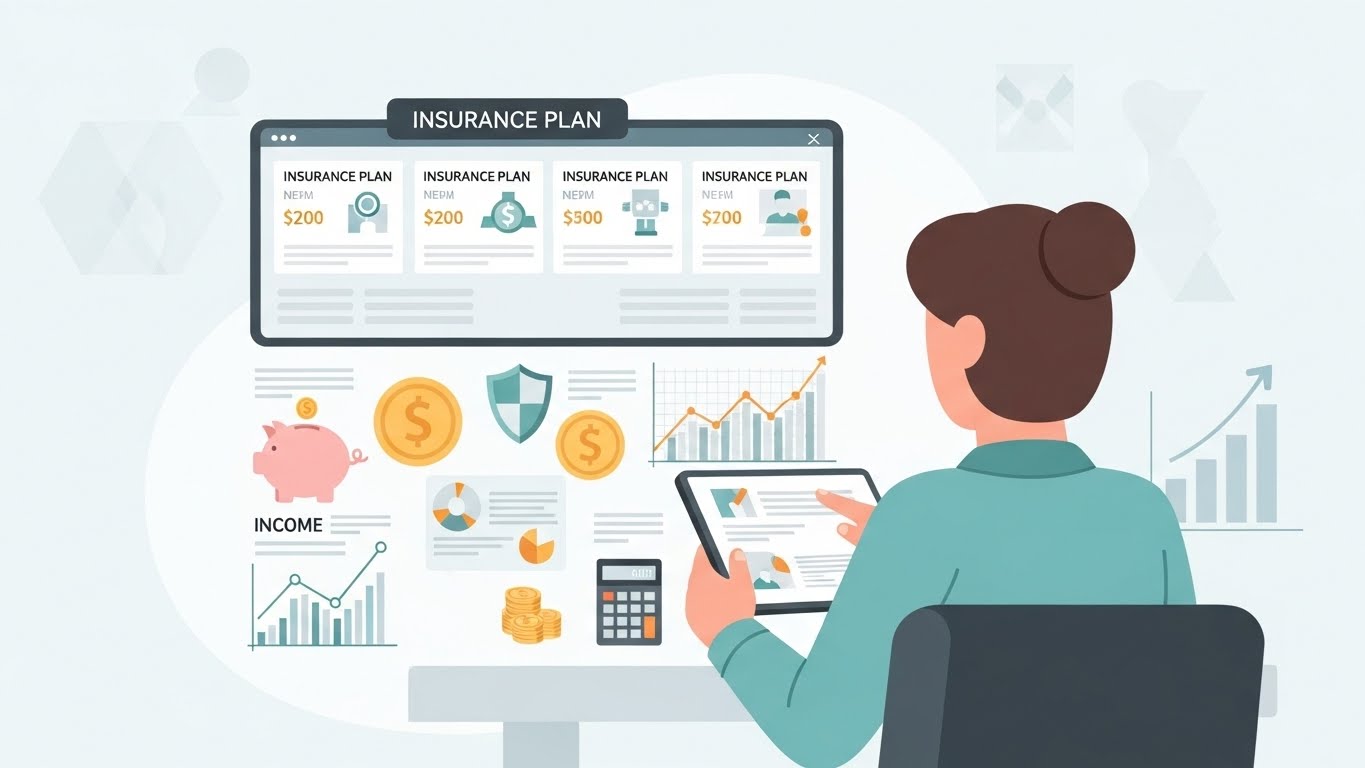
Choosing insurance is not just about protection. It is about balance. The right coverage should protect your finances without becoming a financial burden. That is why understanding how to pick the right insurance policy based on your income is essential for long-term financial stability.
Your income determines how much risk you can afford and how much protection you actually need. Whether you are a salaried employee, a freelancer, or building an online business, aligning insurance with income helps you avoid overpaying or being underinsured.
Why Your Income Matters When Choosing Insurance
Insurance premiums are recurring expenses. If they consume too much of your income, they reduce your ability to save or invest. If they are too low, you may lack adequate coverage during emergencies.
Smart insurance planning ensures:
- Monthly premiums remain affordable
- Coverage matches your financial responsibilities
- Long-term goals like savings and passive income are protected
Understand Your Income Type First
Fixed Income Earners
If you earn a stable monthly salary, predicting expenses is easier. This allows you to commit to long-term insurance plans such as life, health, and disability insurance.
A general rule is to allocate 10–15% of your monthly income toward insurance premiums. This includes health, life, and any optional riders.
Variable or Freelance Income
If your income fluctuates, flexibility matters more than fixed commitments. Freelancers, gig workers, and entrepreneurs should focus on policies with adjustable premiums or payment holidays.
This approach is common among people running a dropshipping business or earning through affiliate marketing, where income may vary month to month.
Set a Realistic Insurance Budget
Before comparing policies, calculate how much you can afford comfortably. Start with your net monthly income and subtract essential expenses like rent, food, utilities, and debt repayments.
The remaining amount determines your insurance budget. Do not sacrifice emergency savings or investment contributions to pay high premiums.
You can explore budgeting tools such as personal budgeting guides to structure this step effectively.
Prioritize Insurance Types Based on Income Level
Low Income Level
If your income is limited, focus on essential protection first.
- Basic health insurance
- Term life insurance if you have dependents
- Accident coverage
Avoid complex investment-linked policies at this stage. The goal is protection, not returns.
Middle Income Level
With moderate income, you can expand coverage and add riders.
- Comprehensive health insurance
- Term life with critical illness riders
- Income protection or disability insurance
This income group often balances insurance with side ventures like affiliate vs dropshipping projects, making income protection especially important.
High Income Level
High earners require more sophisticated planning. Insurance here also plays a wealth protection role.
- High-value life insurance
- Global health coverage
- Estate and liability insurance
At this stage, insurance supports business expansion, asset protection, and long-term passive income strategies.
Match Coverage Amount to Income and Dependents
A common mistake is choosing coverage arbitrarily. A better method is income-based calculation.
For life insurance, experts often recommend coverage equal to 10–15 times your annual income. This ensures your dependents can maintain their lifestyle if something happens to you.
Health insurance coverage should reflect both income and location, considering healthcare costs in your region.
Avoid Over-Insurance and Under-Insurance
Over-insurance wastes money that could be invested elsewhere. Under-insurance exposes you to financial risk.
Review your policies annually, especially if your income changes. This is common for those transitioning from employment to an online business or scaling digital income streams.
You can learn more about insurance evaluation from trusted financial education platforms like consumer insurance resources.
Consider Insurance as Part of Your Financial Ecosystem
Insurance should work alongside savings, investments, and business income. Many people earning through affiliate marketing or running a dropshipping business overlook insurance while focusing only on revenue growth.
A solid policy ensures your income streams remain protected during illness, accidents, or unexpected events.
Common Mistakes to Avoid
- Choosing the cheapest policy without understanding coverage
- Ignoring policy exclusions
- Failing to update coverage as income grows
- Mixing insurance with unsuitable investment products
Insurance should evolve with your income, not remain static.
Final Thoughts
Learning how to pick the right insurance policy based on your income is a crucial financial skill. The right policy protects your present lifestyle and future goals without draining your cash flow.
As your income grows, whether through a stable job or an online business, revisit your insurance plan regularly. Smart insurance decisions today create financial confidence tomorrow.