
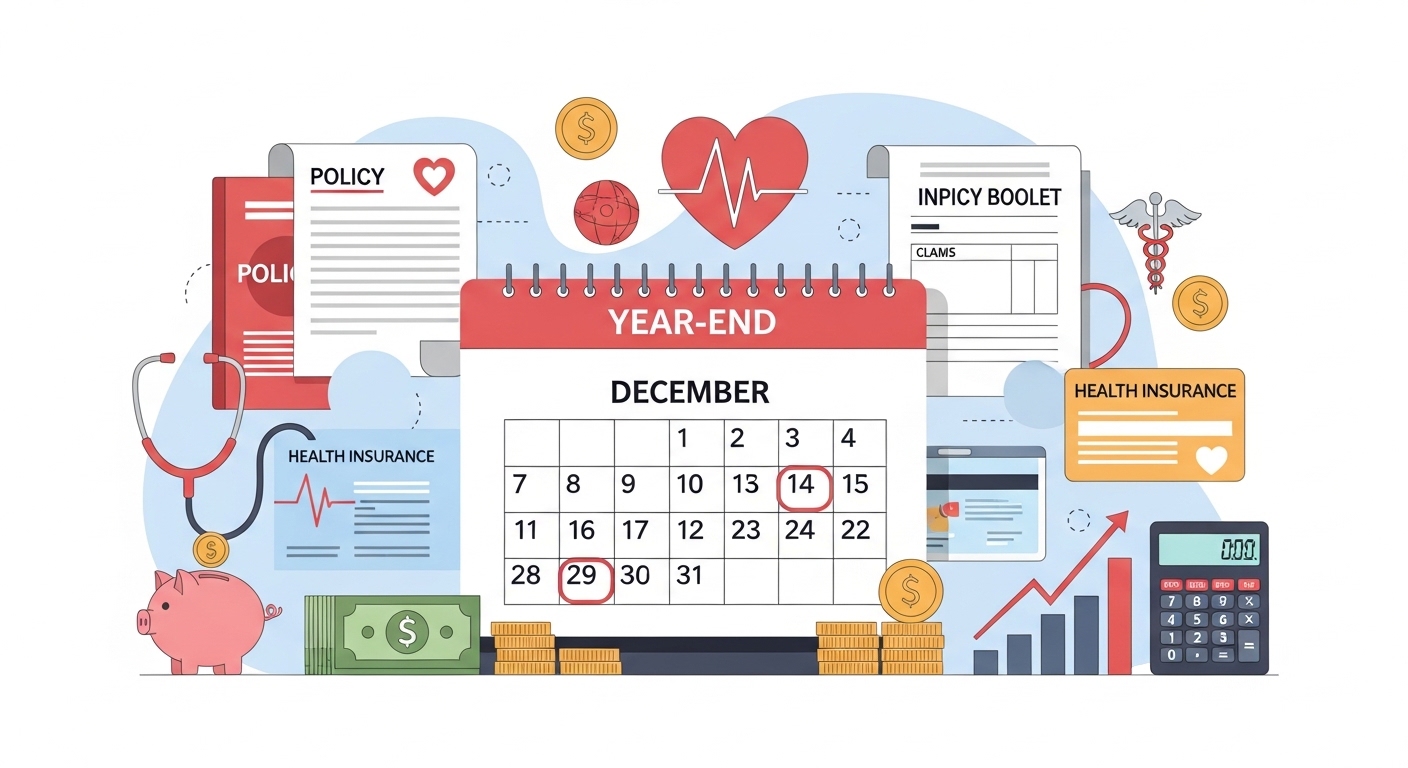
The final months of the year are more than just a countdown to holidays and new goals. They are also the most important time to review and optimize your insurance coverage. Learning how to maximize insurance benefits before the end of the year can help you save money, reduce financial risk, and prepare for the year ahead with confidence.
Many insurance benefits reset annually. If you do not use them, you may lose them. From health and dental coverage to life and disability insurance, a smart end-of-year strategy ensures you get full value from what you already pay for.
This guide walks you through practical, legal, and stress-free ways to make the most of your insurance benefits before December 31.
Why End-of-Year Insurance Planning Matters
Insurance policies often operate on a calendar-year basis. Deductibles, coverage limits, and benefit caps typically reset on January 1. That means unused benefits do not roll over.
Understanding how to maximize insurance benefits before the end of the year helps you avoid wasted premiums and unexpected expenses next year.
End-of-year planning also supports long-term financial stability. When combined with strategies like passive income building and budgeting, insurance optimization becomes part of a smart money system.
Review All Active Insurance Policies
The first step is awareness. Gather every active insurance policy you have and review them carefully.
Policies to Review
Focus on these common coverage types:
- Health insurance
- Dental and vision insurance
- Life insurance
- Disability insurance
- Home and auto insurance
Check coverage limits, deductibles, exclusions, and unused benefits. Many people are surprised to discover benefits they forgot existed.
If your policy documents are unclear, request a benefits summary from your insurer or log in to your online account.
Use Remaining Health Insurance Benefits
Health insurance offers some of the most time-sensitive benefits. Unused services are often lost at year-end.
Schedule Preventive Care
Book annual checkups, screenings, and vaccinations before the year ends. Preventive care is usually covered at no extra cost.
Examples include physical exams, blood tests, cancer screenings, and mental health assessments.
According to Healthcare.gov, preventive services can significantly reduce long-term medical costs.
Meet Your Deductible Strategically
If you are close to meeting your deductible, scheduling eligible procedures now may reduce out-of-pocket costs.
This strategy is especially useful if you expect higher medical needs next year.
Maximize Dental and Vision Coverage
Dental and vision plans often have strict annual limits. If you do not use them, the value disappears.
Dental Benefits
Schedule cleanings, fillings, or crowns before December 31. Many plans cover two cleanings per year, but people often use only one.
If major dental work is recommended, ask your dentist whether part of the treatment can be completed before year-end.
Vision Benefits
Use allowances for eye exams, glasses, or contact lenses. Even if your prescription has not changed, spare glasses can be useful.
Vision benefits are easy to overlook but simple to maximize.
Optimize Life Insurance Before Year-End
Life insurance is not just protection. It is a financial planning tool.
Review your coverage amount, beneficiaries, and policy type. Major life changes such as marriage, children, or new debts may require updates.
If you are considering term or permanent life insurance, year-end is a good time to lock in rates before age-based increases.
Some policies also support long-term wealth planning, similar to building an online business that compounds value over time.
Check Flexible Spending Accounts and HSAs
If you have a Flexible Spending Account (FSA), unused funds may be forfeited.
Use FSA Funds Wisely
Eligible expenses often include:
- Prescription medications
- Medical supplies
- Therapy and counseling
- Dental and vision care
Confirm deadlines with your employer. Some plans allow limited rollovers or grace periods.
Health Savings Accounts
HSAs do not expire, but year-end contributions reduce taxable income.
HSAs are powerful tools when paired with investment strategies and passive income planning.
Review Home and Auto Insurance Discounts
Insurance companies update discounts and risk profiles regularly.
Before the year ends, review your home and auto policies for potential savings.
Common Discounts to Ask About
- Bundling policies
- Safe driving records
- Security systems
- Low mileage usage
Comparing rates annually can prevent overpaying. However, always compare coverage quality, not just price.
For comparison guidance, see resources from NerdWallet Insurance.
Align Insurance With Financial Goals
Insurance planning should support your broader financial strategy.
If you are building multiple income streams through affiliate marketing or running a dropshipping business, coverage becomes even more important.
Entrepreneurs and freelancers often need:
- Disability income protection
- Health coverage continuity
- Liability protection
Just as comparing affiliate vs dropshipping helps clarify business models, comparing insurance options helps you choose the right protection.
Update Beneficiaries and Policy Details
Outdated beneficiaries can cause legal and financial complications.
Before year-end, review:
- Life insurance beneficiaries
- Retirement account beneficiaries
- Dependent information
This step takes minutes but prevents major issues later.
Plan Ahead for Next Year’s Coverage
Maximizing benefits is not only about using what you have. It is also about preparing for the future.
During open enrollment, assess whether your current plans still fit your needs.
Ask these questions:
- Did I overpay for unused coverage?
- Did I face unexpected costs?
- Have my income or health needs changed?
Insurance should evolve as your life and income grow.
Final Thoughts on Maximizing Insurance Benefits
Understanding how to maximize insurance benefits before the end of the year is one of the smartest financial moves you can make.
By reviewing policies, using expiring benefits, and aligning coverage with long-term goals, you protect both your health and your wealth.
Insurance is not just a safety net. When managed well, it becomes a strategic tool that supports stability, growth, and peace of mind.
Take action now. Your future self will thank you.