
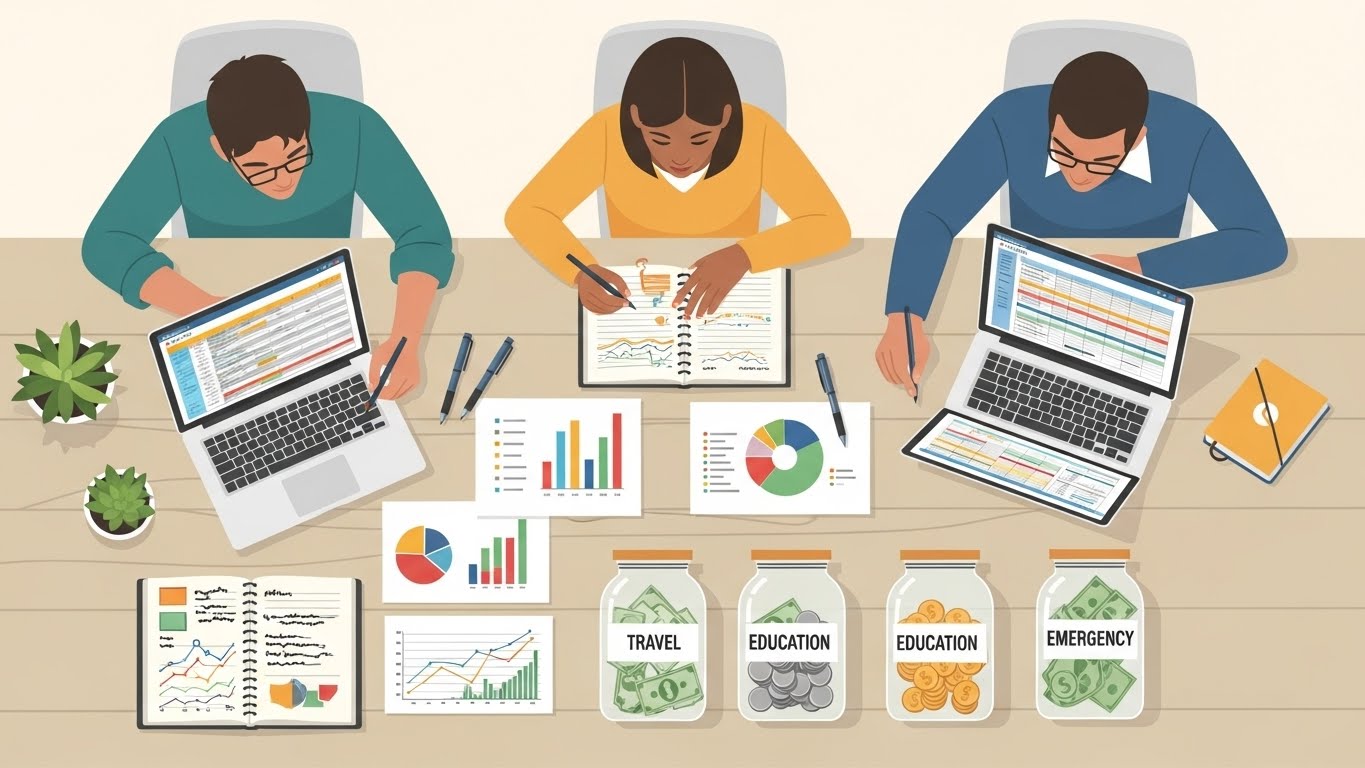
How to manage your money smartly in your 20s and 30s is one of the most important life skills you can learn. These decades shape your financial future more than any other stage of life. The habits you build now will determine whether you feel financially stressed or financially secure later.
Your 20s and 30s are often filled with career changes, lifestyle upgrades, and big goals. Without a clear plan, money can slip away quickly. The good news is that you do not need to be rich to manage money well. You only need the right strategies and consistency.
This guide will show you practical, realistic, and beginner-friendly ways to take control of your finances and build long-term wealth.
Why Money Management Matters in Your 20s and 30s
Your early adult years are powerful because time is on your side. Smart decisions now allow compound growth to work for you instead of against you.
Poor money habits can lead to debt, stress, and delayed goals. Strong habits can lead to freedom, flexibility, and opportunities.
Learning how to manage your money smartly in your 20s and 30s helps you:
- Avoid unnecessary debt
- Build emergency savings
- Invest with confidence
- Create passive income streams
- Achieve long-term financial independence
Build a Simple and Realistic Budget
A budget is the foundation of smart money management. It shows where your money goes and helps you control it.
Use the 50/30/20 Rule
This rule is simple and effective:
- 50% for needs (rent, food, bills)
- 30% for wants (travel, entertainment)
- 20% for savings and investments
You can adjust these percentages to fit your lifestyle. The key is awareness and consistency.
Budgeting tools like NerdWallet budgeting guides can help you get started.
Save Before You Spend
One of the smartest money habits is paying yourself first. This means saving automatically before spending on anything else.
Create an Emergency Fund
Your emergency fund should cover three to six months of essential expenses. This protects you from unexpected costs such as medical bills or job loss.
Keep this money in a high-interest savings account where it is safe and accessible.
Avoid Lifestyle Inflation
As your income grows, it is tempting to upgrade everything. Bigger apartments, newer phones, and frequent travel can quickly consume your extra income.
Instead of increasing spending, increase saving and investing. This habit is crucial for anyone learning how to manage your money smartly in your 20s and 30s.
Enjoy life, but avoid unnecessary upgrades that do not add long-term value.
Manage Debt Strategically
Not all debt is bad, but unmanaged debt is dangerous.
Focus on High-Interest Debt First
Credit cards and personal loans often carry high interest. Pay these off as quickly as possible.
Use strategies such as the snowball or avalanche method. You can learn more about debt repayment from Investopedia’s debt management guide.
Use Credit Wisely
Building a good credit score helps you secure better interest rates. Always pay bills on time and keep credit utilization low.
Start Investing Early
Investing is one of the most effective ways to grow wealth. The earlier you start, the more compound interest works in your favor.
Understand the Basics
Begin with low-cost index funds or ETFs. These provide diversification and reduce risk.
You do not need to be an expert. Platforms like Vanguard and Fidelity offer beginner-friendly options.
Think Long-Term
Ignore short-term market fluctuations. Focus on consistent contributions and long-term growth.
Build Multiple Income Streams
Relying on one income source is risky. Building additional income streams increases financial security.
Explore Online Opportunities
The internet makes it easier than ever to earn extra income. Popular options include:
- affiliate marketing
- Freelancing
- Creating digital products
- Starting an online business
Understanding affiliate vs dropshipping can help you choose the right model. Affiliate marketing allows you to earn commissions without handling products. A dropshipping business involves selling products without holding inventory.
Both models can generate passive income when built correctly.
Invest in Yourself
Your skills are one of your most valuable assets. Continuous learning can increase your income potential.
Spend money on courses, certifications, and books that improve your career or business skills.
High-income skills often provide better returns than traditional investments.
Protect Your Financial Future
Insurance and planning are essential parts of smart money management.
Get the Right Insurance
Health insurance, life insurance, and disability coverage protect you from major financial setbacks.
Plan for Retirement Early
Even small contributions to retirement accounts can grow significantly over time.
Start as early as possible to benefit from compounding.
Develop the Right Money Mindset
Money management is not just about numbers. It is also about behavior.
Track your progress regularly. Celebrate milestones. Adjust when needed.
Learning how to manage your money smartly in your 20s and 30s requires patience, discipline, and long-term thinking.
Final Thoughts
Smart money management is not about restriction. It is about freedom.
By budgeting wisely, saving consistently, investing early, and building income streams, you set yourself up for a secure and flexible future.
The best time to start was yesterday. The second-best time is today.