
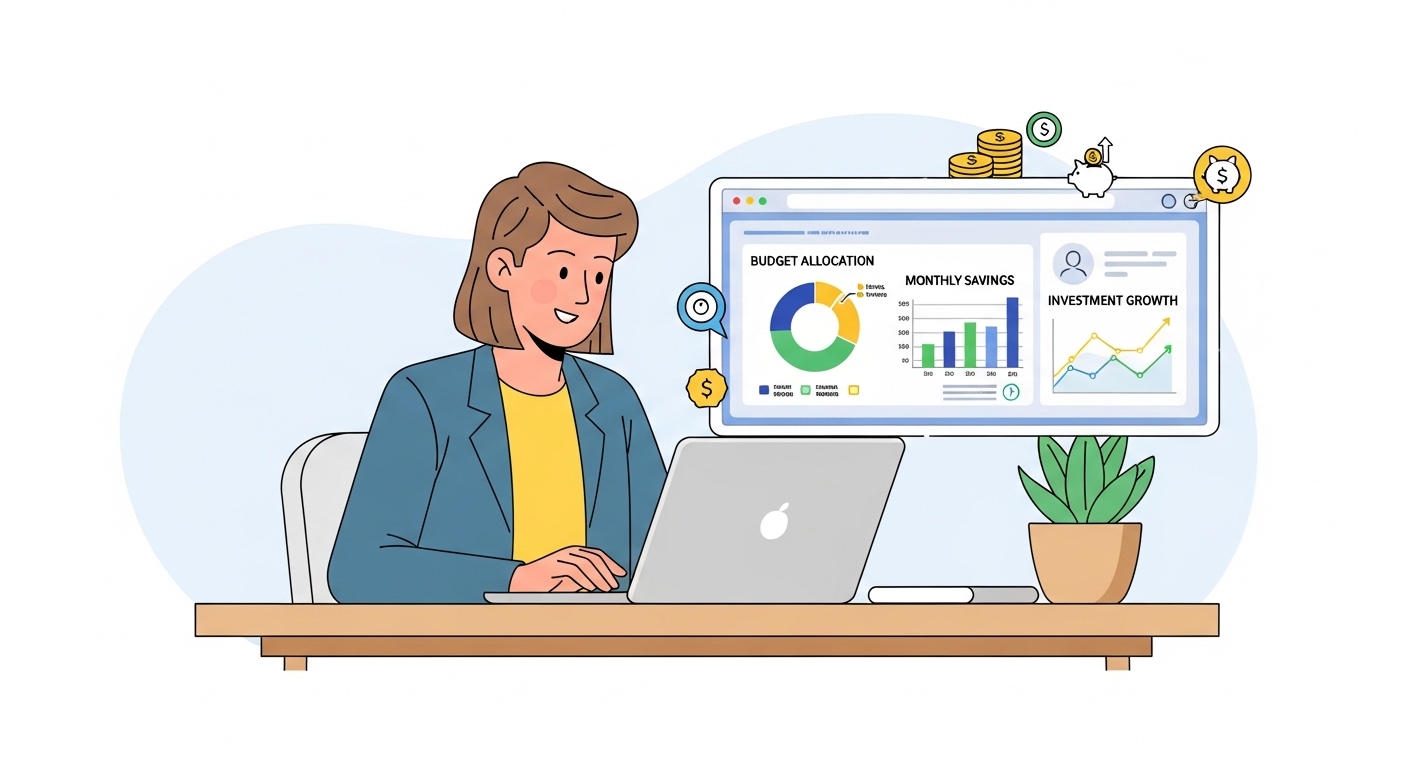
Your 20s are one of the most important decades for building lifelong financial habits. Learning how to manage personal finances like a pro in your 20s can set you up for long-term stability, freedom, and growth. While this stage of life often comes with lower income and higher uncertainty, it also offers the biggest advantage of all: time.
Whether you are a student, a recent graduate, or starting your first job, this guide will walk you through practical strategies to take control of your money, avoid common mistakes, and build wealth early.
Why Your 20s Are Critical for Financial Success
The financial decisions you make in your 20s compound over time. Small, consistent actions today can lead to massive results later. This decade is when you form habits around spending, saving, investing, and earning.
People who master how to manage personal finances like a pro in your 20s often experience less stress, fewer debt problems, and more flexibility in their 30s and beyond.
The Power of Compound Growth
Money invested early has more time to grow. Even modest investments can turn into substantial wealth when compounded over decades. Starting late often means working harder for the same results.
Create a Budget That Actually Works
A budget is the foundation of personal finance. It tells your money where to go instead of wondering where it went.
Track Your Income and Expenses
Start by listing all sources of income and every expense. This includes rent, food, subscriptions, and lifestyle spending. Use budgeting apps or spreadsheets to make this simple.
Budgeting tools like NerdWallet’s budgeting guides can help beginners get started quickly.
Use the 50/30/20 Rule
This popular budgeting framework divides your income into three categories:
50% for needs, 30% for wants, and 20% for savings or debt repayment. Adjust these percentages based on your income and goals.
Build an Emergency Fund Early
An emergency fund protects you from unexpected expenses like medical bills or job loss. Without it, many people rely on credit cards or loans.
How Much Should You Save?
Aim for three to six months of living expenses. Start small. Even saving one month of expenses is a strong first step.
Keep your emergency fund in a high-yield savings account for easy access and safety.
Eliminate Bad Debt and Use Credit Wisely
Debt can either help you grow or hold you back. Learning the difference is essential when mastering how to manage personal finances like a pro in your 20s.
Focus on High-Interest Debt
Prioritize paying off credit card debt and personal loans with high interest rates. These debts grow fast and limit your ability to save or invest.
Build Credit Responsibly
Use credit cards for necessary expenses and pay the balance in full every month. This builds your credit score without costing you interest.
For a deeper understanding, check Experian’s credit education resources.
Start Investing as Soon as Possible
Investing is not just for high earners. Starting early gives you an enormous advantage, even with small amounts.
Understand Basic Investment Options
Common beginner investments include index funds, exchange-traded funds, and retirement accounts. These options offer diversification and long-term growth.
Think Long-Term, Not Short-Term
Ignore short-term market noise. Focus on consistent investing and long-term goals. This approach reduces stress and increases returns.
Investing can also support future passive income streams through dividends or growth assets.
Diversify Your Income Streams
Relying on a single paycheck can be risky. Many people in their 20s explore additional income opportunities alongside their main job.
Explore Online Income Opportunities
Digital opportunities make it easier than ever to earn extra income. Options include freelancing, content creation, and starting an online business.
Popular models include affiliate marketing and eCommerce. Understanding affiliate vs dropshipping helps you choose the right path based on your skills and resources.
Affiliate Marketing vs Dropshipping
Affiliate marketing allows you to earn commissions by promoting products without handling inventory. A dropshipping business involves selling physical products without holding stock.
Both models can support long-term income growth when managed properly.
Develop Smart Spending Habits
Managing money is not about deprivation. It is about intentional spending aligned with your goals.
Differentiate Needs from Wants
Before making purchases, ask if the expense adds long-term value. Small savings on daily spending can add up over time.
Avoid Lifestyle Inflation
As your income increases, avoid upgrading your lifestyle too quickly. Instead, increase savings and investments first.
Plan for Retirement Early
Retirement may feel far away in your 20s, but early contributions make a massive difference.
Use Employer-Sponsored Plans
If available, contribute to retirement accounts such as a 401(k), especially if your employer offers matching contributions.
Learn more from Investor.gov retirement basics.
Set Clear Financial Goals
Goals give your finances direction. Without them, it is easy to overspend or lose motivation.
Short-Term and Long-Term Goals
Short-term goals may include building savings or paying off debt. Long-term goals could involve buying a home, investing, or building passive income.
Write your goals down and review them regularly.
Keep Learning About Money
Financial education is ongoing. The more you learn, the better decisions you make.
Use Trusted Resources
Follow reputable finance blogs, books, and podcasts. Avoid get-rich-quick schemes and focus on proven strategies.
Final Thoughts on Managing Personal Finances in Your 20s
Mastering how to manage personal finances like a pro in your 20s is not about perfection. It is about progress, consistency, and informed decisions.
By budgeting effectively, controlling debt, investing early, and exploring income opportunities, you create a strong financial foundation. The habits you build now will pay dividends for decades to come.