
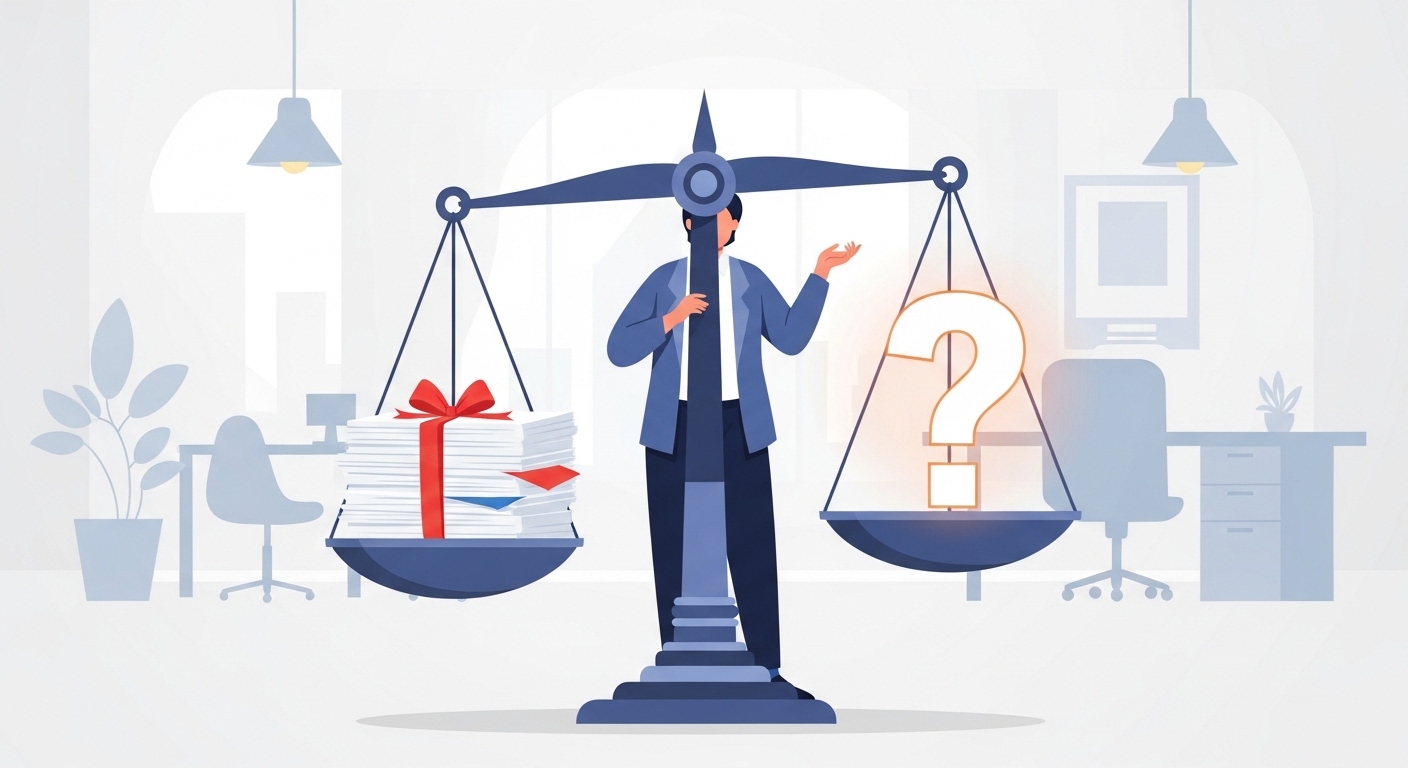
Legal issues can appear suddenly and feel overwhelming. One of the first questions most people ask is whether hiring an attorney is truly necessary. While lawyers play a vital role in protecting rights and navigating complex laws, not every situation requires legal representation. Knowing when to hire an attorney and when you can handle matters yourself can save time, stress, and money.
This guide explains how to know if you really need an attorney or not, using clear examples and practical decision-making tips. By the end, you will feel confident evaluating your legal situation and choosing the smartest path forward.
Understanding What an Attorney Actually Does
An attorney is a licensed legal professional trained to interpret laws, represent clients, draft legal documents, and negotiate on their behalf. Attorneys do more than argue in court. They provide legal strategy, risk assessment, and protection from costly mistakes.
In many ways, hiring an attorney is similar to investing in expert guidance for an online business. When the stakes are high, professional advice reduces long-term risks.
Common Roles of an Attorney
An attorney may:
• Explain complex laws and procedures
• Represent you in court or negotiations
• Draft or review contracts and legal documents
• Protect your rights during disputes
• Reduce financial and legal risks
Situations Where You Definitely Need an Attorney
Some legal situations carry serious consequences. In these cases, hiring an attorney is not optional but essential.
Criminal Charges
If you are charged with a crime, even a minor offense, you should consult an attorney immediately. Criminal convictions can result in fines, jail time, or permanent records that affect employment and travel.
Attempting to represent yourself may lead to outcomes far worse than the cost of legal fees.
Serious Civil Lawsuits
If you are being sued for a large sum of money or plan to sue someone for damages, an attorney is strongly recommended. Civil lawsuits involve complex rules, evidence standards, and deadlines.
Just like choosing between affiliate vs dropshipping requires understanding risks and returns, legal disputes require professional evaluation.
Divorce and Child Custody Cases
Family law matters can be emotionally charged and legally complicated. An attorney helps protect financial interests, custody rights, and long-term stability.
Even amicable divorces benefit from legal oversight to avoid future disputes.
Business Legal Issues
If you are starting, selling, or expanding a business, an attorney ensures compliance with laws and contracts. This is especially important if you are building an online business or exploring monetization strategies such as affiliate marketing.
A small legal error can cost far more than preventive legal advice.
Situations Where You May Not Need an Attorney
Not every legal matter requires professional representation. Some situations are simple enough to handle on your own.
Minor Traffic Violations
Simple speeding tickets or parking violations often do not require an attorney. Many jurisdictions allow online payments or quick court appearances.
However, if your license is at risk, legal advice becomes more valuable.
Small Claims Court
Small claims courts are designed for individuals to represent themselves. The rules are simplified, and attorneys are often unnecessary or even prohibited.
These cases are ideal for resolving disputes without expensive legal fees.
Simple Legal Documents
Basic documents such as standard leases, uncontested wills, or name changes can sometimes be completed using reputable legal templates.
Always ensure templates come from trusted sources like USA.gov or recognized legal platforms.
Key Questions to Ask Before Hiring an Attorney
Before deciding, ask yourself a few important questions.
How High Are the Stakes?
If the outcome could affect your freedom, finances, family, or future income, an attorney is likely worth the investment.
This is similar to protecting long-term passive income streams. Short-term savings can lead to long-term losses.
How Complex Is the Law Involved?
Legal language and procedures can be difficult to interpret. If laws are unclear or changing, professional guidance prevents mistakes.
Can You Negotiate Effectively?
Negotiations with insurance companies, businesses, or opposing parties often favor those with legal experience. An attorney levels the playing field.
Cost vs Value of Hiring an Attorney
Many people avoid attorneys due to cost concerns. While legal services can be expensive, the value often outweighs the price.
Understanding Legal Fees
Attorneys may charge:
• Hourly rates
• Flat fees
• Contingency fees (payment only if you win)
Always request a clear fee agreement upfront.
Long-Term Financial Impact
A poorly handled legal issue can lead to fines, lost assets, or ongoing disputes. Hiring an attorney can prevent these outcomes.
This mirrors smart financial planning choices seen in dropshipping business models, where upfront investment reduces operational risks.
Alternatives to Hiring a Full Attorney
If you do not need full representation, there are middle-ground options.
Legal Consultations
Many attorneys offer one-time consultations at a lower cost. This provides clarity without long-term commitment.
Online Legal Services
Online platforms provide document reviews, legal templates, and limited advice. These services can be helpful for straightforward matters.
For example, small entrepreneurs exploring affiliate marketing or other digital income models often use legal services for contract reviews.
Mediation and Arbitration
Alternative dispute resolution methods can resolve conflicts without court involvement. These options are faster and less expensive.
Red Flags That Signal You Need an Attorney Immediately
Some warning signs should never be ignored.
• You receive legal papers or court summons
• You are contacted by law enforcement
• You face large financial claims
• You feel pressured to sign legal documents
• You do not understand your rights
In these cases, delaying legal advice can be costly.
How to Choose the Right Attorney If You Need One
If you decide to hire an attorney, choosing the right one matters.
Look for Relevant Experience
Select an attorney who specializes in your type of legal issue. Experience improves efficiency and outcomes.
Check Credentials and Reviews
Verify licensing and read client reviews from trusted sources.
Ask the Right Questions
Ask about fees, timelines, communication style, and expected outcomes.
This approach is similar to evaluating mentors when building passive income strategies.
Final Thoughts: Making the Smart Legal Decision
Knowing how to know if you really need an attorney or not comes down to understanding risk, complexity, and long-term impact. While some legal issues can be handled independently, others demand professional protection.
Think of legal decisions like business decisions. Whether you are choosing between affiliate vs dropshipping or deciding on legal representation, informed choices lead to better outcomes.
When in doubt, a brief legal consultation can provide peace of mind and prevent costly mistakes.
For more guidance on consumer rights and legal resources, visit ConsumerFinance.gov.