
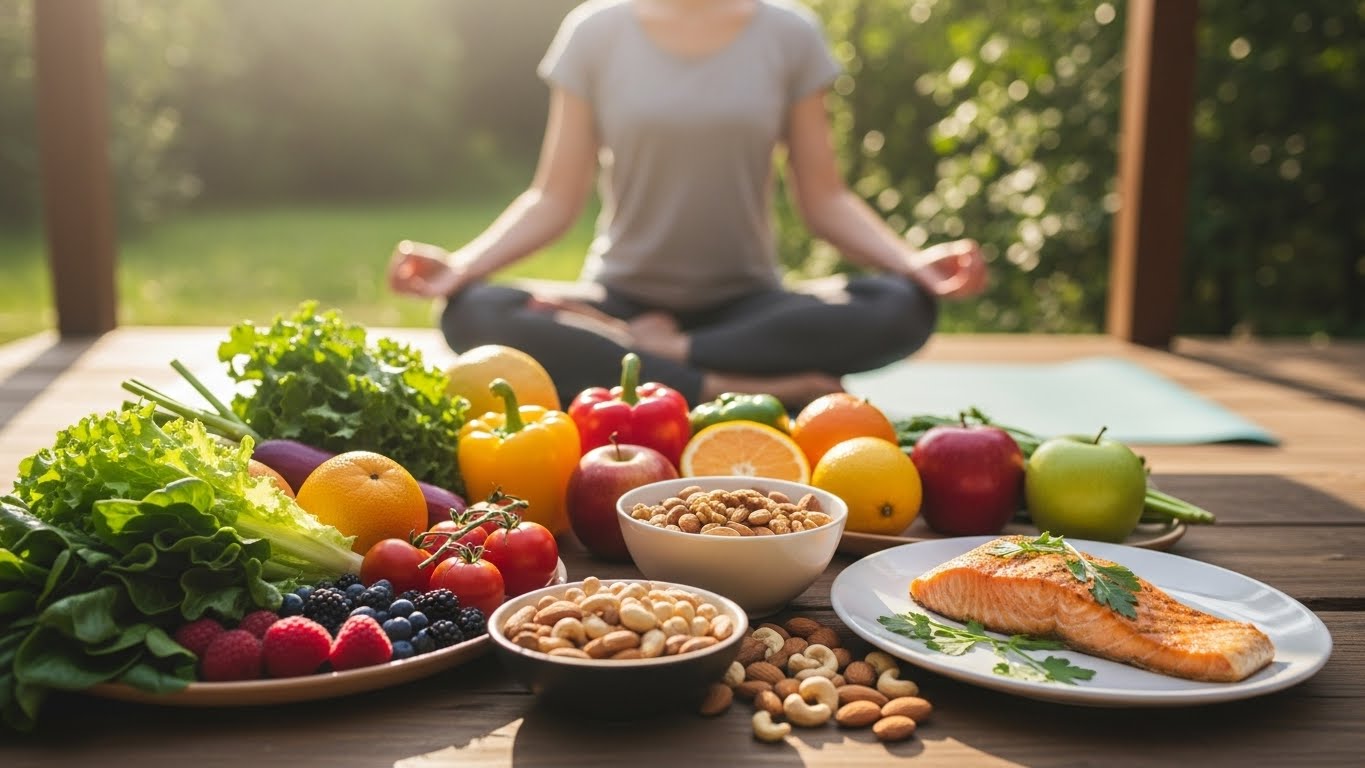
How to improve mental health naturally through diet and lifestyle changes is a question more people are asking as stress, anxiety, and burnout become increasingly common. While professional treatment is essential for many conditions, everyday habits like what you eat, how you move, and how you rest play a powerful role in supporting emotional wellbeing.
This guide explores evidence-based, natural strategies that help support mental health. These approaches are simple, affordable, and sustainable, making them ideal for long-term wellbeing. Just as building passive income or an online business requires consistency, improving mental health naturally is a daily investment.
Why Diet and Lifestyle Matter for Mental Health
The brain consumes around 20% of the body’s energy. This means nutrition and lifestyle choices directly influence mood, focus, and resilience. Research shows that inflammation, gut health, blood sugar levels, and sleep quality all affect mental wellbeing.
Unlike quick fixes, lifestyle changes work gradually. However, they address root causes rather than symptoms. This long-term approach mirrors how successful models like affiliate marketing or a dropshipping business grow steadily through smart systems rather than shortcuts.
The Gut–Brain Connection
The gut and brain communicate constantly through the gut-brain axis. About 90% of serotonin, a key mood-regulating neurotransmitter, is produced in the gut.
A diet rich in fiber, fermented foods, and whole nutrients supports healthy gut bacteria. In contrast, highly processed foods may worsen anxiety and low mood.
Foods That Support Gut and Mental Health
Include these foods regularly:
- Yogurt, kefir, kimchi, and sauerkraut
- Whole grains such as oats and brown rice
- Fruits and vegetables rich in polyphenols
- Legumes, nuts, and seeds
Improving gut health is one of the most effective ways to improve mental health naturally through diet and lifestyle changes.
Key Nutrients That Support Mental Wellbeing
Omega-3 Fatty Acids
Omega-3s play a crucial role in brain structure and function. Studies link them to reduced symptoms of depression and anxiety.
Sources include fatty fish, walnuts, chia seeds, and flaxseeds. If dietary intake is low, supplementation may be considered with professional advice.
B Vitamins
B vitamins help regulate neurotransmitters involved in mood. Low levels of B12 and folate are associated with fatigue and depression.
Good sources include leafy greens, eggs, whole grains, and lean meats.
Magnesium and Zinc
Magnesium supports relaxation and sleep, while zinc plays a role in stress regulation. Deficiencies may worsen anxiety symptoms.
Foods rich in these minerals include pumpkin seeds, dark chocolate, beans, and nuts.
Stabilizing Blood Sugar for Emotional Balance
Blood sugar fluctuations can trigger irritability, anxiety, and fatigue. Diets high in refined sugar and simple carbohydrates may worsen mood swings.
To stabilize blood sugar:
- Eat balanced meals with protein, fiber, and healthy fats
- Avoid skipping meals
- Limit sugary snacks and drinks
Stable energy levels support emotional resilience, just as consistent effort builds reliable income streams like affiliate vs dropshipping models.
Physical Activity and Mental Health
Exercise is one of the most effective natural interventions for mental health. It boosts endorphins, improves sleep, and reduces inflammation.
You do not need intense workouts. Even moderate activity can make a difference.
Best Types of Exercise for Mental Wellbeing
- Walking outdoors
- Yoga and stretching
- Strength training
- Swimming or cycling
Consistency matters more than intensity. Regular movement builds mental strength over time, similar to growing an online business through daily action.
The Role of Sleep in Mental Health
Sleep and mental health are deeply connected. Poor sleep increases stress hormones and reduces emotional regulation.
Adults generally need 7–9 hours of quality sleep per night. Improving sleep hygiene can significantly improve mood and focus.
Tips for Better Sleep Naturally
- Go to bed and wake up at the same time daily
- Limit caffeine after midday
- Reduce screen exposure before bed
- Create a calm, dark sleeping environment
Better sleep supports every other lifestyle change discussed in this guide.
Stress Management Through Lifestyle Choices
Chronic stress negatively affects both physical and mental health. Learning to manage stress naturally is essential.
Effective Stress-Reducing Practices
- Mindfulness or meditation
- Deep breathing exercises
- Spending time in nature
- Journaling thoughts and emotions
Reducing stress improves decision-making, emotional balance, and productivity, whether in personal life or professional goals like affiliate marketing.
Social Connection and Mental Wellbeing
Human connection is a powerful protective factor for mental health. Isolation increases the risk of depression and anxiety.
Simple actions such as regular conversations, shared meals, or community involvement can significantly improve emotional wellbeing.
Just as collaboration strengthens a dropshipping business, supportive relationships strengthen mental resilience.
Limiting Substances That Harm Mental Health
Alcohol, nicotine, and excessive caffeine may worsen anxiety and sleep quality. While moderation is key, awareness of their effects is important.
Reducing reliance on these substances supports long-term mental clarity and emotional stability.
Building Sustainable Habits for Long-Term Mental Health
The most effective way to improve mental health naturally through diet and lifestyle changes is consistency. Small, realistic changes are more sustainable than drastic overhauls.
Start with one or two habits, such as improving breakfast nutrition or adding a daily walk. Over time, these habits compound, similar to how passive income grows through consistent systems.
When to Seek Professional Support
Natural strategies are supportive, not a replacement for professional care. If symptoms are severe, persistent, or worsening, seek help from a qualified healthcare provider.
Combining lifestyle improvements with professional support often leads to the best outcomes.
Conclusion
Learning how to improve mental health naturally through diet and lifestyle changes empowers you to take control of your wellbeing. Nutrition, movement, sleep, stress management, and connection all play vital roles in mental health.
These changes are not quick fixes, but long-term investments. With patience and consistency, they can lead to lasting improvements in mood, focus, and quality of life.
For further reading on mental wellbeing, visit
World Health Organization – Mental Health.
You may also explore related wellness content on
Healthline Nutrition.