
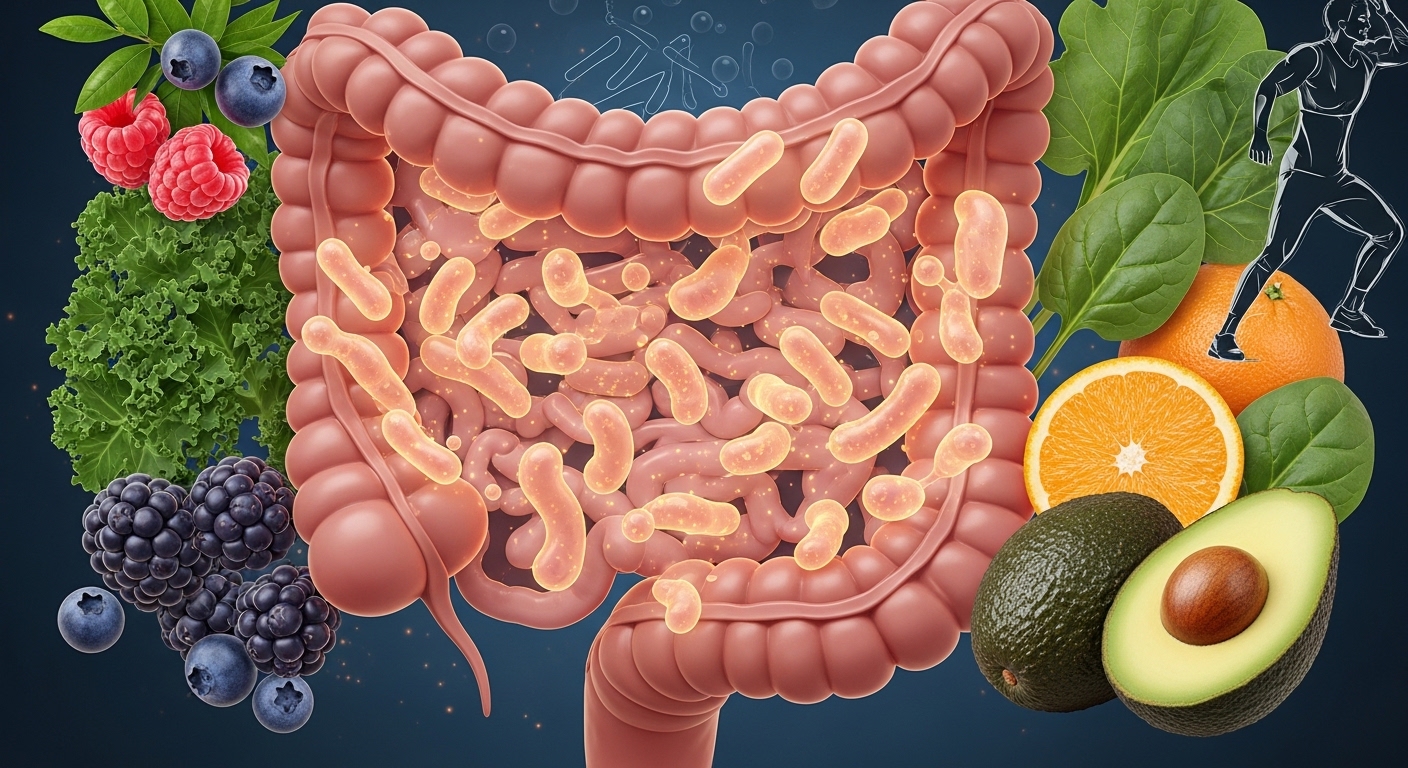
How to improve gut health for better immunity and energy is a question more people are asking as science continues to uncover the powerful link between the gut, immune system, and daily vitality. If you often feel tired, get sick frequently, or struggle with digestion, your gut may be at the center of the problem.
Your gut is home to trillions of microorganisms that influence digestion, immune defense, mood, and even energy production. Improving gut health is not about quick fixes. It is about consistent habits that support your microbiome long term.
In this guide, you will learn practical, science-backed ways to strengthen your gut for better immunity and sustained energy.
Why Gut Health Matters for Immunity and Energy
The gut plays a much bigger role than simply digesting food. Nearly 70% of your immune system lives in your gastrointestinal tract. A balanced gut microbiome helps your body fight harmful pathogens while preventing unnecessary inflammation.
When gut health is poor, nutrient absorption suffers. This can lead to fatigue, brain fog, and low energy levels even if you eat enough calories.
According to research shared by Nature Reviews Immunology, gut bacteria actively train immune cells, influencing how your body responds to infections.
Signs Your Gut Health May Be Weak
Common signs of poor gut health include bloating, constipation, diarrhea, frequent infections, food intolerances, low energy, and mood changes. If these symptoms are persistent, improving gut health should be a priority.
Eat a Gut-Friendly Diet
Diet is the foundation of how to improve gut health for better immunity and energy. What you eat directly shapes the diversity and strength of your gut bacteria.
Increase Fiber Intake
Dietary fiber feeds beneficial gut bacteria. Aim for a variety of fiber-rich foods such as vegetables, fruits, legumes, nuts, seeds, and whole grains.
Soluble fiber, found in oats and beans, helps regulate digestion. Insoluble fiber, found in vegetables and whole grains, supports bowel regularity.
Add Fermented Foods
Fermented foods contain live probiotics that enhance microbial diversity. Examples include yogurt with live cultures, kefir, kimchi, sauerkraut, and miso.
A study published by Cell found that fermented foods increased microbiome diversity and reduced inflammation.
Limit Ultra-Processed Foods
Highly processed foods, artificial sweeteners, and excess sugar can disrupt gut bacteria balance. Reducing these foods supports both gut integrity and immune function.
Stay Hydrated for Digestive Balance
Hydration supports the mucosal lining of the intestines and helps food move smoothly through the digestive tract. Dehydration can contribute to constipation and reduced nutrient absorption.
Drinking enough water daily also supports energy levels by aiding cellular function throughout the body.
Support Gut Health with Lifestyle Habits
Improving gut health is not only about food. Lifestyle habits play a critical role in shaping your microbiome.
Manage Stress Effectively
Chronic stress negatively affects gut bacteria and weakens the gut barrier. Techniques such as meditation, deep breathing, yoga, and spending time outdoors can help restore balance.
The gut-brain axis explains why stress often triggers digestive symptoms and fatigue.
Prioritize Quality Sleep
Sleep disruption alters gut microbiota composition and increases inflammation. Aim for 7–9 hours of consistent, high-quality sleep each night.
Good sleep supports immune recovery and energy restoration.
Exercise Regularly
Moderate physical activity improves gut microbial diversity. Walking, cycling, swimming, and resistance training all contribute to a healthier microbiome.
Regular exercise also improves circulation, supporting nutrient delivery and energy production.
Use Probiotics and Prebiotics Wisely
Probiotics are beneficial bacteria, while prebiotics are fibers that feed them. Both can support how to improve gut health for better immunity and energy when used correctly.
When to Consider Probiotics
Probiotic supplements may be helpful after antibiotic use or during digestive imbalances. Choose clinically studied strains and consult a healthcare professional when needed.
Natural Prebiotic Sources
Foods like garlic, onions, leeks, bananas, asparagus, and oats provide natural prebiotics that nourish healthy gut bacteria.
The Gut–Energy Connection Explained
Your gut helps convert food into usable energy. Healthy gut bacteria assist in breaking down complex carbohydrates, producing short-chain fatty acids that fuel intestinal cells.
Poor gut health can impair this process, leading to fatigue even when calorie intake is sufficient.
Optimizing digestion allows better absorption of iron, B vitamins, and magnesium, all essential for energy metabolism.
Reduce Inflammation for Stronger Immunity
Chronic inflammation strains the immune system and drains energy. A healthy gut helps regulate inflammatory responses.
Anti-inflammatory foods such as fatty fish, olive oil, berries, turmeric, and leafy greens support gut integrity and immune balance.
Avoiding smoking and limiting alcohol intake further protects gut lining health.
Consistency Is Key to Long-Term Gut Health
There is no overnight solution for improving gut health. Small, consistent changes produce lasting results.
Just as building a passive income stream through an online business requires patience, improving gut health takes time and commitment. Whether you are comparing affiliate vs dropshipping models or building an affiliate marketing strategy, consistency determines success. The same principle applies to health.
Short-term fixes will not support a resilient microbiome. Daily habits are what truly matter.
Frequently Asked Questions About Gut Health
How long does it take to improve gut health?
Some changes, such as reduced bloating, may appear within weeks. Significant microbiome improvements typically take several months of consistent habits.
Can gut health really improve immunity?
Yes. A balanced gut microbiome strengthens immune responses and reduces infection risk.
Do I need supplements?
Many people can improve gut health through diet and lifestyle alone. Supplements may help in specific situations.
Final Thoughts
Learning how to improve gut health for better immunity and energy is one of the most impactful steps you can take for long-term wellness. A healthy gut supports digestion, strengthens immune defenses, and fuels your body with sustainable energy.
By focusing on whole foods, managing stress, staying active, and prioritizing sleep, you create an internal environment where your body can thrive.
Gut health is not a trend. It is a foundation for better living.