
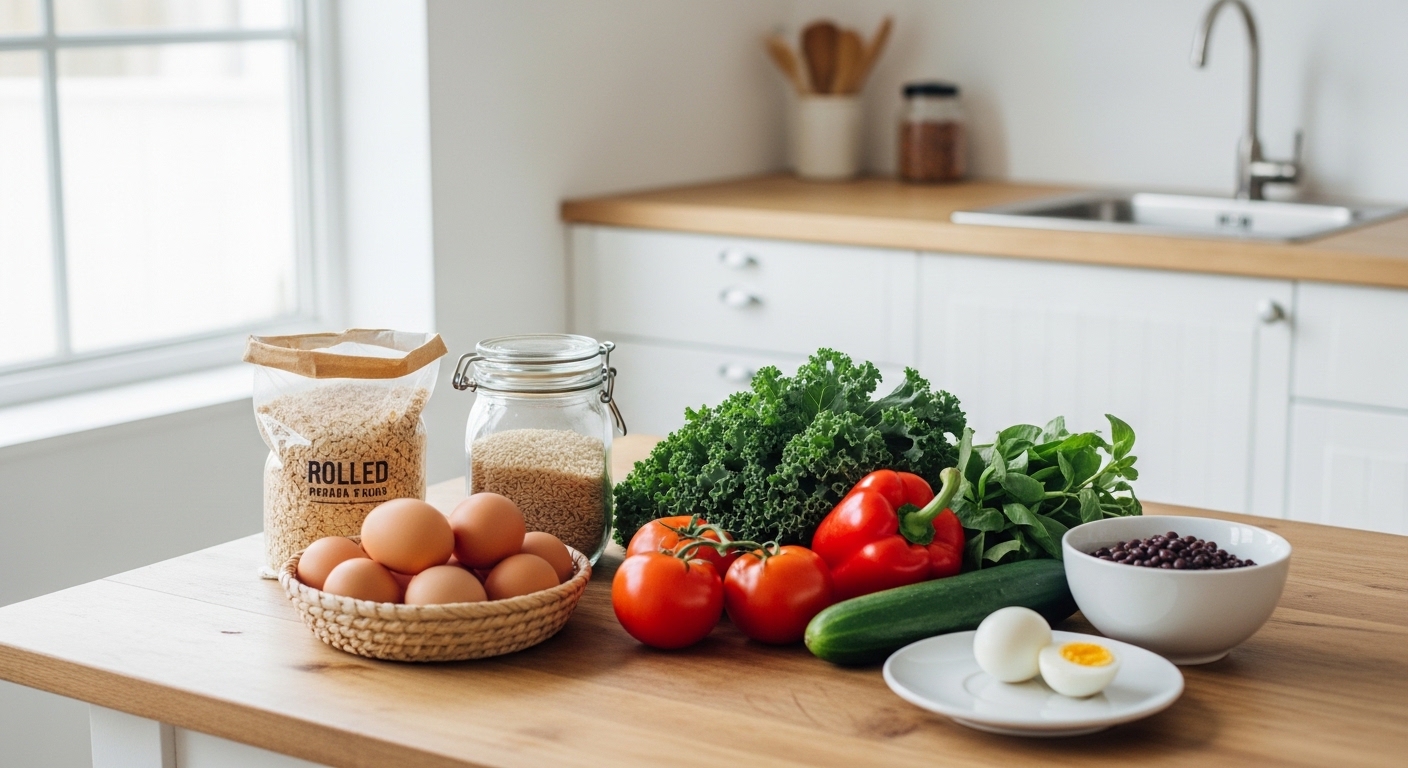
How to eat clean on a budget without sacrificing nutrition is one of the most common questions people ask when trying to live healthier. Clean eating often gets a bad reputation for being expensive, time-consuming, or unrealistic for everyday life. In reality, eating clean does not require specialty stores, expensive superfoods, or extreme restrictions.
With the right strategies, you can build a nutritious, affordable diet that supports your health goals while still fitting into a busy lifestyle. This guide will show you how to eat clean on a budget without sacrificing nutrition, using simple habits that actually work long term.
What Does Eating Clean Really Mean?
Before talking about budgets, it’s important to define what clean eating actually is. Eating clean means focusing on whole, minimally processed foods that provide real nutritional value. It does not mean following a strict diet or cutting out entire food groups.
Clean eating focuses on:
- Whole foods like vegetables, fruits, grains, and legumes
- Lean protein sources
- Healthy fats in reasonable amounts
- Limiting ultra-processed foods and added sugars
Understanding this definition makes it easier to see how eating clean can be affordable.
Why Clean Eating Feels Expensive (But Isn’t)
Many people associate clean eating with organic labels, imported ingredients, and trendy health products. While those options exist, they are not necessary for good nutrition.
The real cost problem often comes from:
- Buying packaged “health” foods
- Shopping without a plan
- Wasting unused ingredients
- Relying on takeout or convenience meals
Once you remove these habits, learning how to eat clean on a budget without sacrificing nutrition becomes much more realistic.
Plan Your Meals Before You Shop
Meal planning is the foundation of affordable clean eating. When you plan ahead, you avoid impulse purchases and reduce food waste.
Create a Weekly Meal Framework
You do not need complicated meal plans. A simple framework works best:
- 2–3 protein options for the week
- 2 whole grains or starches
- Several seasonal vegetables
- Basic snacks like fruit or yogurt
This approach keeps grocery bills predictable and flexible.
Shop With a List
A shopping list prevents unnecessary spending. Stick to it as much as possible. Over time, this habit alone can significantly reduce food costs.
Buy Whole Foods in Their Simplest Form
One of the best ways to eat clean on a budget is to buy foods as close to their natural state as possible.
Choose Whole Ingredients Over Packaged Foods
For example:
- Oats instead of flavored oatmeal packets
- Dry beans instead of canned ready meals
- Whole chicken instead of pre-cut portions
These choices provide more nutrition per dollar and allow you to control ingredients.
Frozen Foods Are Your Friend
Frozen fruits and vegetables are often cheaper than fresh and just as nutritious. They also last longer, which helps prevent waste.
According to research summarized by Healthline, frozen produce retains most of its nutrients when properly stored.
Affordable Protein Sources That Support Clean Eating
Protein is often the most expensive part of a meal, but there are many budget-friendly options.
Plant-Based Proteins
Beans, lentils, chickpeas, and tofu are some of the cheapest and most nutritious protein sources available. They are rich in fiber and support heart health.
Animal-Based Proteins on a Budget
- Eggs
- Canned tuna or sardines
- Chicken thighs instead of breasts
- Greek yogurt
These foods offer high-quality protein without inflating your grocery bill.
Shop Seasonal and Local When Possible
Seasonal produce is usually cheaper, fresher, and more flavorful. Buying fruits and vegetables that are in season can significantly reduce costs.
You can also check local markets or discount produce sections in grocery stores for additional savings.
Cook More, Waste Less
Cooking at home is one of the most powerful ways to eat clean on a budget. Restaurant meals and takeaway food add up quickly.
Batch Cooking Saves Money
Preparing meals in larger portions reduces cooking time and helps avoid last-minute expensive food choices.
Simple batch meals include:
- Soups and stews
- Rice and grain bowls
- Roasted vegetables with protein
Use Leftovers Strategically
Leftovers can become new meals. For example, roasted vegetables from dinner can be used in wraps or salads the next day.
Clean Eating Snacks That Don’t Break the Bank
Snacks are often where budgets get stretched. Clean snacks do not need to be fancy.
- Fresh fruit
- Hard-boiled eggs
- Homemade popcorn
- Peanut butter with whole-grain toast
Making snacks at home keeps costs low and nutrition high.
Drink Smart to Save Money
Drinks can quietly drain your budget. Flavored drinks, juices, and specialty coffees add up fast.
Water, herbal teas, and homemade coffee are the most cost-effective and clean options.
How Clean Eating Fits Into a Bigger Lifestyle Strategy
Learning how to eat clean on a budget without sacrificing nutrition is not just about food. It’s about building sustainable habits that support your health and finances.
Many people who focus on clean eating also explore ways to improve financial stability through passive income opportunities or an online business. For example, blogging, affiliate marketing, or even comparing affiliate vs dropshipping models can help offset lifestyle costs.
If you are interested in monetizing health-related content, you can explore starting a blog or dropshipping business focused on wellness tools or kitchen essentials. You can learn more about online income strategies at Forbes Advisor.
Final Thoughts: Clean Eating Is About Consistency, Not Perfection
Eating clean does not mean eating perfectly. It means making better choices most of the time. When you plan your meals, buy whole foods, cook at home, and shop smart, clean eating becomes affordable and sustainable.
Now you know exactly how to eat clean on a budget without sacrificing nutrition. Start small, stay consistent, and remember that health is built through everyday habits.