
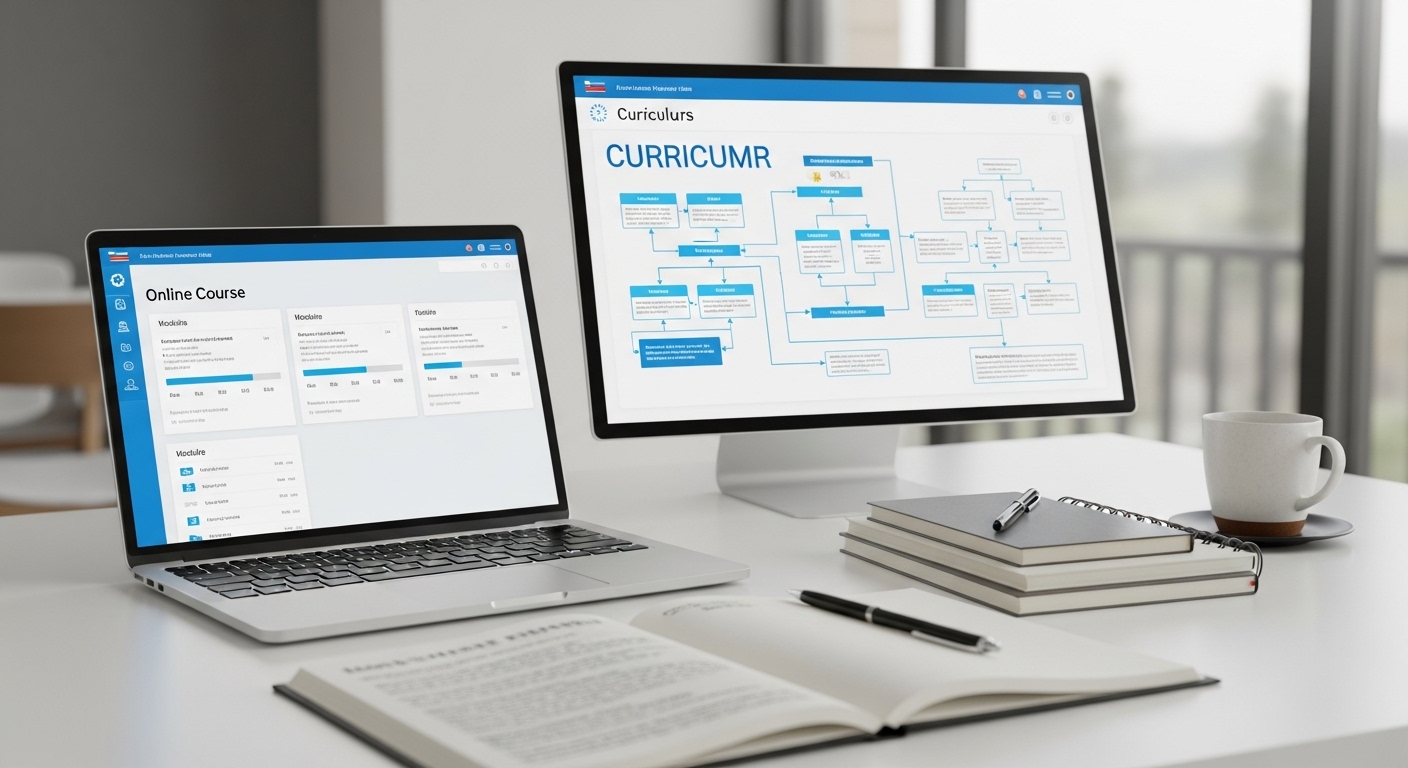
If you want to build a profitable online business in 2026, creating a high-converting course is one of the smartest moves you can make. However, content alone is not enough. You must understand how to design an effective online learning curriculum that converts.
A well-designed curriculum increases engagement, improves completion rates, and turns students into paying customers. More importantly, it builds authority and long-term passive income.
In this guide, you’ll learn a step-by-step system to design a curriculum that drives results, builds trust, and maximizes revenue.
Why Curriculum Design Determines Your Course Revenue
Many creators focus on marketing first. They think traffic equals sales. But conversion starts with structure. If your curriculum feels confusing, overwhelming, or unstructured, students won’t buy—or worse, they won’t finish.
When you master how to design an effective online learning curriculum that converts, you:
- Increase perceived value
- Improve completion rates
- Boost testimonials and reviews
- Reduce refund requests
- Strengthen authority in your niche
This is especially important if you plan to combine your course with affiliate marketing or other monetization models.
Step 1: Define a Clear Transformation
The first rule of high-converting curriculum design is clarity. Students do not buy information. They buy transformation.
Identify the Before and After
Ask yourself:
- Where is my student now?
- Where do they want to be?
- What measurable outcome can I promise?
For example, instead of “Learn Ecommerce,” promise “Launch Your First Profitable dropshipping business in 30 Days.”
The clearer the transformation, the higher your conversion rate.
Focus on One Core Outcome
Trying to teach everything reduces effectiveness. Instead, design your curriculum around one core promise. You can always upsell advanced modules later.
This focused structure also improves your sales page messaging and ad targeting.
Step 2: Validate Market Demand Before Building
Before building your curriculum, validate demand. This prevents wasted time and increases ECPM potential.
Use Keyword Research Tools
Platforms like Ahrefs or Ubersuggest help you identify search intent. Look for transactional keywords, not just informational ones.
For example, compare interest in affiliate vs dropshipping to general ecommerce topics. High-intent keywords signal buyers.
Study Competitor Courses
Analyze reviews. What are students complaining about? Where do they struggle? Design your curriculum to solve those gaps.
This competitive advantage increases conversions dramatically.
Step 3: Structure Content for Psychological Momentum
One secret behind how to design an effective online learning curriculum that converts is momentum.
Start with Quick Wins
Your first module should deliver immediate results. Quick wins create dopamine-driven motivation.
For example:
- Set up a website in 20 minutes
- Publish your first affiliate link
- Outline your product validation plan
Small wins increase course completion and student satisfaction.
Use the 5-Phase Curriculum Model
High-converting online courses often follow this structure:
- Foundation (Mindset + Setup)
- Core Skill Development
- Application & Execution
- Optimization & Scaling
- Advanced Strategies
This structure works for nearly any niche, from affiliate marketing to digital design or investing.
Step 4: Design Lessons for Engagement
Long videos do not equal value. Clarity does.
Keep Lessons Short and Focused
Ideal lesson length: 5–12 minutes.
Each lesson should answer one specific question. This improves retention and completion rates.
Use Mixed Media
Blend:
- Video tutorials
- PDF worksheets
- Checklists
- Templates
- Interactive quizzes
This increases perceived value and helps students apply what they learn.
Add Action Steps After Every Module
Implementation drives results. Results drive testimonials. Testimonials drive sales.
Every module should end with a clear action checklist.
Step 5: Integrate Monetization Pathways Inside the Curriculum
A smart curriculum does more than educate. It monetizes.
Strategic Affiliate Integration
If you teach tools, platforms, or software, integrate affiliate marketing naturally within lessons.
For example, when teaching website setup, recommend hosting providers through affiliate links.
This creates additional passive income beyond course sales.
Upsell Advanced Modules
Once students complete your core curriculum, offer:
- Advanced masterclasses
- Coaching programs
- Done-for-you templates
- Community memberships
This increases lifetime customer value significantly.
Step 6: Build Authority with Data and Case Studies
Trust converts visitors into buyers.
Include Real Examples
Show real dashboards. Share case studies. Present numbers. Transparency increases credibility.
If you teach ecommerce, compare models like affiliate vs dropshipping with real profit breakdowns.
Show Step-by-Step Proof
Document your own journey building an online business. Show failures and adjustments.
Authenticity increases connection and conversion.
Step 7: Optimize Curriculum for SEO and Platform Algorithms
Search visibility increases organic sales.
Use Keyword-Rich Module Titles
Instead of “Module 3,” write:
“How to Launch a Profitable dropshipping business Without Inventory”
Clear titles improve search indexing inside course platforms and Google.
Create Supplementary Blog Content
Write blog posts that support your curriculum. Link internally between related topics.
For example:
This strengthens your site authority and increases organic traffic.
Step 8: Price Based on Transformation, Not Length
Many creators underprice their courses.
Instead of charging based on hours of content, charge based on outcome value.
If your curriculum helps someone launch a profitable online business, that value is significant.
Higher pricing also increases perceived authority and filters serious students.
Step 9: Improve Conversion with Behavioral Design
Use Milestones and Progress Tracking
Completion bars increase motivation. Visible progress increases engagement.
Build Community Interaction
Private groups increase accountability. Community reduces dropout rates.
Students who engage socially are more likely to succeed—and recommend your course.
Step 10: Continuously Optimize Your Curriculum
Curriculum design is not static.
Collect Feedback
Use surveys and completion data. Identify drop-off points.
Update Based on Industry Changes
Markets evolve quickly. Whether teaching affiliate marketing or ecommerce automation, regular updates maintain authority.
Fresh content improves retention and future sales.
Common Mistakes to Avoid
Overloading Content
More content does not equal more value.
No Clear Outcome
Ambiguous promises reduce conversions.
No Monetization Strategy
Failing to integrate passive income streams like tool affiliates leaves money on the table.
Final Thoughts: Turn Curriculum Into a Revenue Engine
Mastering how to design an effective online learning curriculum that converts transforms your course from content into an asset.
When structured properly, your curriculum:
- Builds trust
- Drives student results
- Increases referrals
- Generates recurring passive income
- Scales your online business
Start with transformation. Structure for momentum. Integrate monetization strategically. Optimize continuously.
Your curriculum is not just education. It is your conversion engine.