
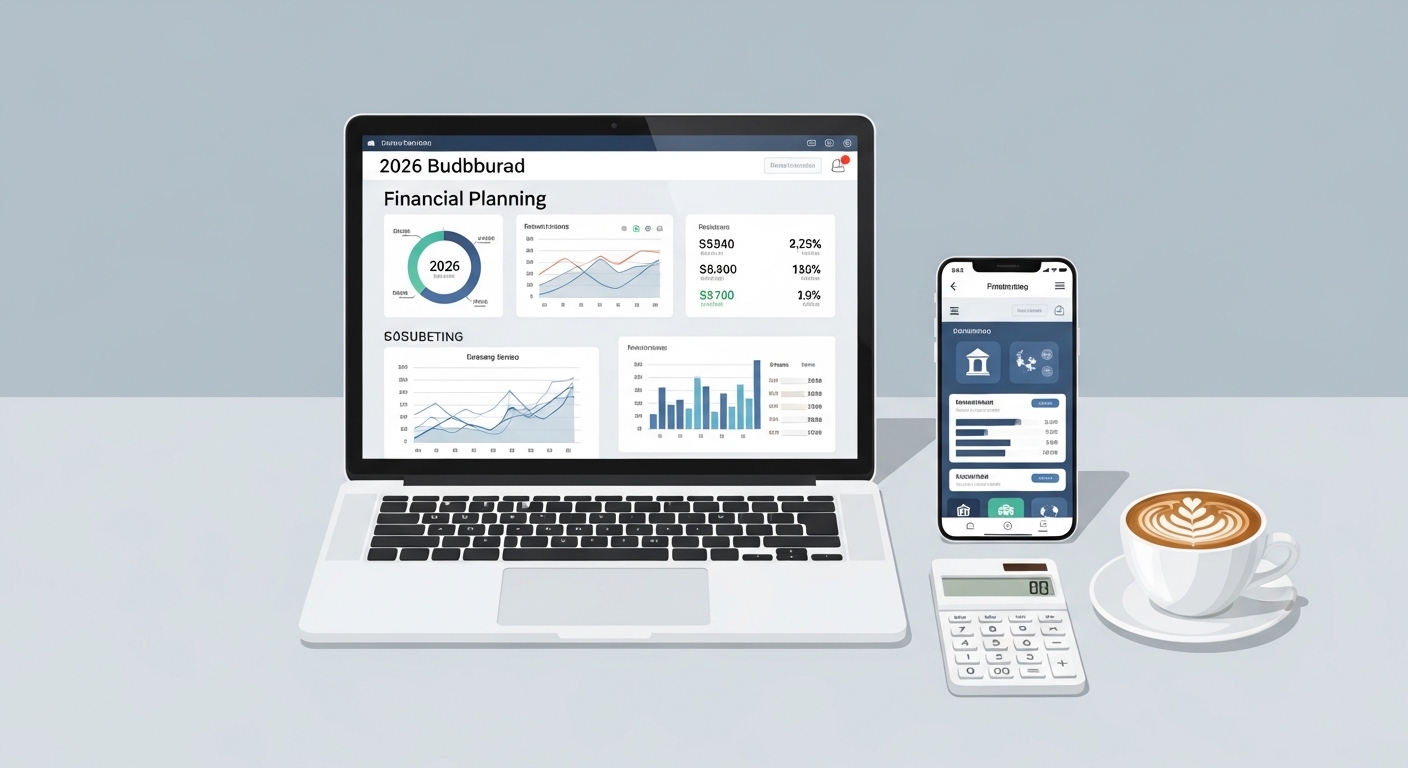
Learning how to create a monthly budget that actually works in 2026 is no longer optional. With rising living costs, subscription overload, and new ways to earn money online, budgeting has evolved. The old pen-and-paper method does not cut it anymore.
In 2026, a successful budget must be flexible, digital-friendly, and aligned with modern income streams. Whether you earn a fixed salary, run an online business, or are building passive income, this guide will help you design a budget you can actually stick to.
This step-by-step guide breaks budgeting into practical actions, so your money works for you—not against you.
Why Traditional Budgeting Methods Fail in 2026
Many people still fail at budgeting because they use outdated methods. Static budgets ignore real-life changes, such as inflation, variable income, and unexpected expenses.
In 2026, your financial life may include:
• Multiple income streams
• Digital subscriptions
• Side hustles like affiliate marketing or freelancing
• Online stores such as a dropshipping business
A modern budget must reflect how people actually earn and spend money today.
Step 1: Calculate Your True Monthly Income
The first step in learning how to create a monthly budget that actually works in 2026 is understanding your real income.
Include All Income Sources
Do not focus only on your salary. List every source of income, including:
• Full-time or part-time wages
• Freelance or contract work
• Side hustles
• Passive income streams
• Online earnings from blogging, YouTube, or affiliate vs dropshipping ventures
For irregular income, calculate an average based on the last six months.
Helpful tool: NerdWallet budgeting guide
Step 2: Track Your Spending Automatically
Manual tracking is one of the main reasons budgets fail. In 2026, automation is essential.
Use Digital Budgeting Tools
Modern budgeting apps sync with your bank accounts and categorize spending automatically.
Popular tools include:
• YNAB (You Need A Budget)
• Mint
• PocketGuard
These tools help you spot patterns and identify unnecessary expenses.
Related read: Best Budgeting Apps for Beginners
Step 3: Categorize Expenses the Smart Way
A working budget separates essential spending from lifestyle choices.
Essential Expenses
These include:
• Rent or mortgage
• Utilities
• Groceries
• Transportation
• Insurance
Non-Essential Expenses
Examples include:
• Streaming services
• Dining out
• Shopping
• Entertainment
In 2026, subscriptions quietly drain budgets. Review them monthly and cancel what you do not use.
Step 4: Use the 50/30/20 Rule—With a 2026 Upgrade
The classic 50/30/20 rule still works, but it needs adjusting.
Traditional breakdown:
• 50% needs
• 30% wants
• 20% savings
Modern Adjustment
In 2026, many people modify this to:
• 50% needs
• 25% wants
• 25% savings and investments
This allows room for building passive income and investing in an online business.
Learn more: Investopedia on budgeting rules
Step 5: Budget for Savings Before Spending
If saving is optional, it will not happen.
Pay Yourself First
Automate transfers to:
• Emergency fund
• Retirement accounts
• Investment accounts
Even small amounts add up over time.
Pro tip: Treat savings like a non-negotiable bill.
Step 6: Plan for Irregular and Hidden Expenses
Many budgets fail because they ignore irregular costs.
Examples of Irregular Expenses
• Car maintenance
• Medical expenses
• Gifts and holidays
• Annual subscriptions
Create a sinking fund for these categories. Set aside a small amount each month.
Step 7: Align Your Budget With Your Financial Goals
A budget without goals feels restrictive.
Short-Term Goals
• Paying off credit cards
• Building an emergency fund
Long-Term Goals
• Buying a home
• Growing passive income
• Scaling affiliate marketing or a dropshipping business
When your budget supports your goals, motivation increases.
Step 8: Adjust Monthly—Because Life Changes
A budget is not a one-time setup.
Review your budget every month. Adjust categories as your income or expenses change.
In 2026, flexibility is the secret to long-term success.
Step 9: Avoid These Common Budgeting Mistakes
Many people give up due to avoidable errors.
Common Pitfalls
• Being too strict
• Forgetting fun money
• Ignoring small purchases
• Not tracking online spending
Your budget should guide you, not punish you.
Step 10: Use Budgeting to Support Online Income Growth
Modern budgets are not just about cutting costs. They help fund growth.
Allocate money toward:
• Courses and tools
• Marketing software
• Website hosting
Whether you are choosing affiliate vs dropshipping or launching another online business, budgeting supports smarter decisions.
Related guide: How to Start an Online Business on a Budget
Final Thoughts: Make Your Budget Work for You
Mastering how to create a monthly budget that actually works in 2026 is about clarity, flexibility, and consistency.
Use automation. Track your habits. Adjust when needed.
A budget is not about restriction. It is about freedom, security, and building the life you want—one month at a time.