
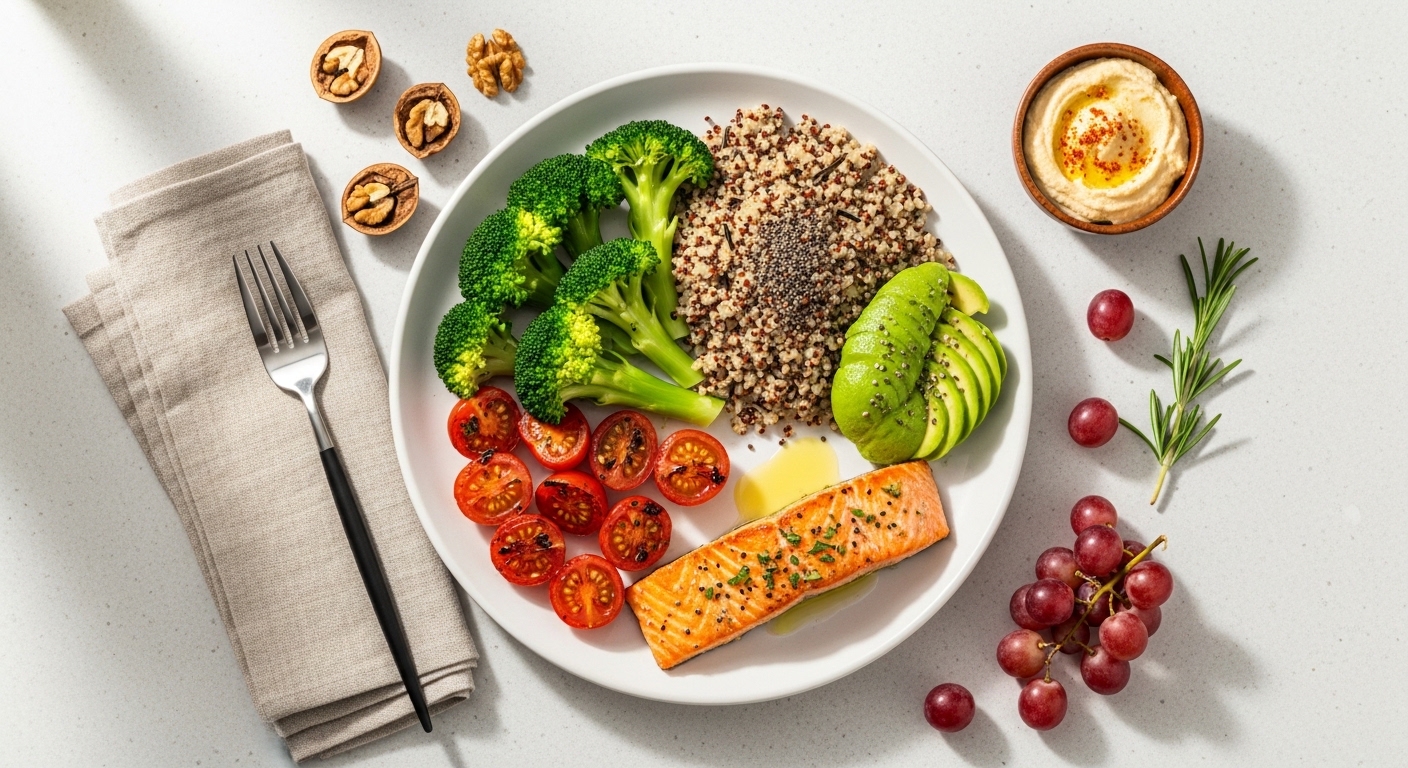
Learning how to create a balanced diet plan for long-term wellness is one of the most valuable investments you can make in your health. A balanced diet is not about extreme restrictions or short-term trends. It is about nourishing your body consistently so you can feel energized, focused, and resilient for years to come.
In this guide, you will learn how to design a sustainable diet plan that supports physical health, mental clarity, and long-term disease prevention. Whether your goal is weight management, improved immunity, or better daily performance, this article will walk you through practical and science-backed strategies.
What Is a Balanced Diet?
A balanced diet provides your body with the right proportions of macronutrients and micronutrients. These nutrients work together to support metabolism, organ function, and overall well-being.
Key Components of a Balanced Diet
A truly balanced diet includes:
- Carbohydrates for energy
- Proteins for muscle repair and immune support
- Healthy fats for hormone production and brain health
- Vitamins and minerals for cellular function
- Water for hydration and nutrient transport
According to the World Health Organization, long-term wellness depends on dietary diversity, moderation, and nutrient density rather than calorie obsession.
Why a Balanced Diet Matters for Long-Term Wellness
Understanding how to create a balanced diet plan for long-term wellness goes beyond short-term benefits. A consistent, healthy diet can reduce the risk of chronic diseases such as diabetes, cardiovascular disease, and obesity.
Long-term wellness also improves productivity and mental performance. Just as building passive income requires steady effort over time, maintaining health depends on sustainable daily choices rather than quick fixes.
Physical Health Benefits
A balanced diet supports:
- Stable blood sugar levels
- Healthy digestion
- Strong bones and muscles
- Improved immune defense
Mental and Emotional Well-Being
Nutrients such as omega-3 fatty acids, B vitamins, and magnesium play a role in mood regulation and cognitive function. Poor dietary habits can increase fatigue, irritability, and brain fog.
Step-by-Step Guide: How to Create a Balanced Diet Plan for Long-Term Wellness
1. Assess Your Current Eating Habits
Before making changes, evaluate what you already eat. Track your meals for a few days and note patterns. Are you skipping meals? Eating too many processed foods? Lacking fruits and vegetables?
This self-awareness is similar to evaluating an online business before scaling it. You need clarity before improvement.
2. Balance Your Macronutrients
Macronutrients form the foundation of your diet. A balanced approach typically includes:
- 45–55% carbohydrates from whole grains, fruits, and vegetables
- 15–25% protein from lean meats, fish, legumes, and dairy
- 25–35% fats from nuts, seeds, olive oil, and avocados
Avoid extreme low-carb or zero-fat diets unless medically advised. Balance ensures sustainability.
3. Focus on Whole and Minimally Processed Foods
Whole foods provide more nutrients and fewer additives. Examples include:
- Fresh vegetables and fruits
- Whole grains like oats and brown rice
- Lean protein sources
- Healthy fats
Highly processed foods are often high in sugar, salt, and unhealthy fats. Limiting them supports long-term wellness.
4. Prioritize Micronutrients
Vitamins and minerals are essential for enzyme function and immune health. Include a variety of colorful foods to cover your micronutrient needs.
You can find reliable nutrient guidance from resources like the NHS Eat Well Guide.
5. Stay Hydrated
Hydration is often overlooked in diet planning. Water supports digestion, circulation, and temperature regulation.
Aim for regular water intake throughout the day. Herbal teas and water-rich foods can also contribute.
Meal Planning for Consistency
Meal planning is a practical tool when learning how to create a balanced diet plan for long-term wellness. Planning reduces decision fatigue and helps maintain consistency.
Create a Weekly Meal Structure
Design simple meals that you enjoy. Repeating meals is fine if they are nutritionally balanced.
This approach is similar to building systems in affiliate marketing or managing a dropshipping business. Consistency leads to better long-term outcomes.
Smart Snacking
Healthy snacks prevent overeating at meals. Choose options such as:
- Greek yogurt
- Fresh fruit with nuts
- Hummus with vegetables
Portion Control Without Restriction
Portion awareness helps balance energy intake without strict dieting. Use visual cues like half your plate filled with vegetables, a quarter with protein, and a quarter with whole grains.
This method supports sustainability and prevents burnout.
Adapting Your Diet to Your Lifestyle
Your diet should fit your routine, preferences, and cultural background. A plan that feels restrictive will not last.
Busy Schedules
If you have limited time, prepare meals in batches or choose simple recipes. Convenience does not have to compromise nutrition.
Social and Family Life
Allow flexibility for social events. Long-term wellness includes enjoying food without guilt.
Common Mistakes to Avoid
When learning how to create a balanced diet plan for long-term wellness, avoid these pitfalls:
- Following extreme diets
- Eliminating entire food groups unnecessarily
- Ignoring hunger and fullness cues
- Expecting immediate results
Health progress is gradual, much like growing passive income streams. Patience and consistency matter.
Long-Term Habits for Sustainable Wellness
Focus on habits rather than perfection. Small daily actions add up over time.
- Eat mindfully
- Cook more meals at home
- Stay physically active
- Review and adjust your diet as your needs change
You can explore more wellness strategies on our healthy lifestyle resources page.
Final Thoughts
Understanding how to create a balanced diet plan for long-term wellness empowers you to take control of your health. A balanced diet is not a short-term solution but a lifelong practice.
By focusing on nutrient balance, consistency, and flexibility, you can build a sustainable eating pattern that supports both physical and mental well-being for years to come.