
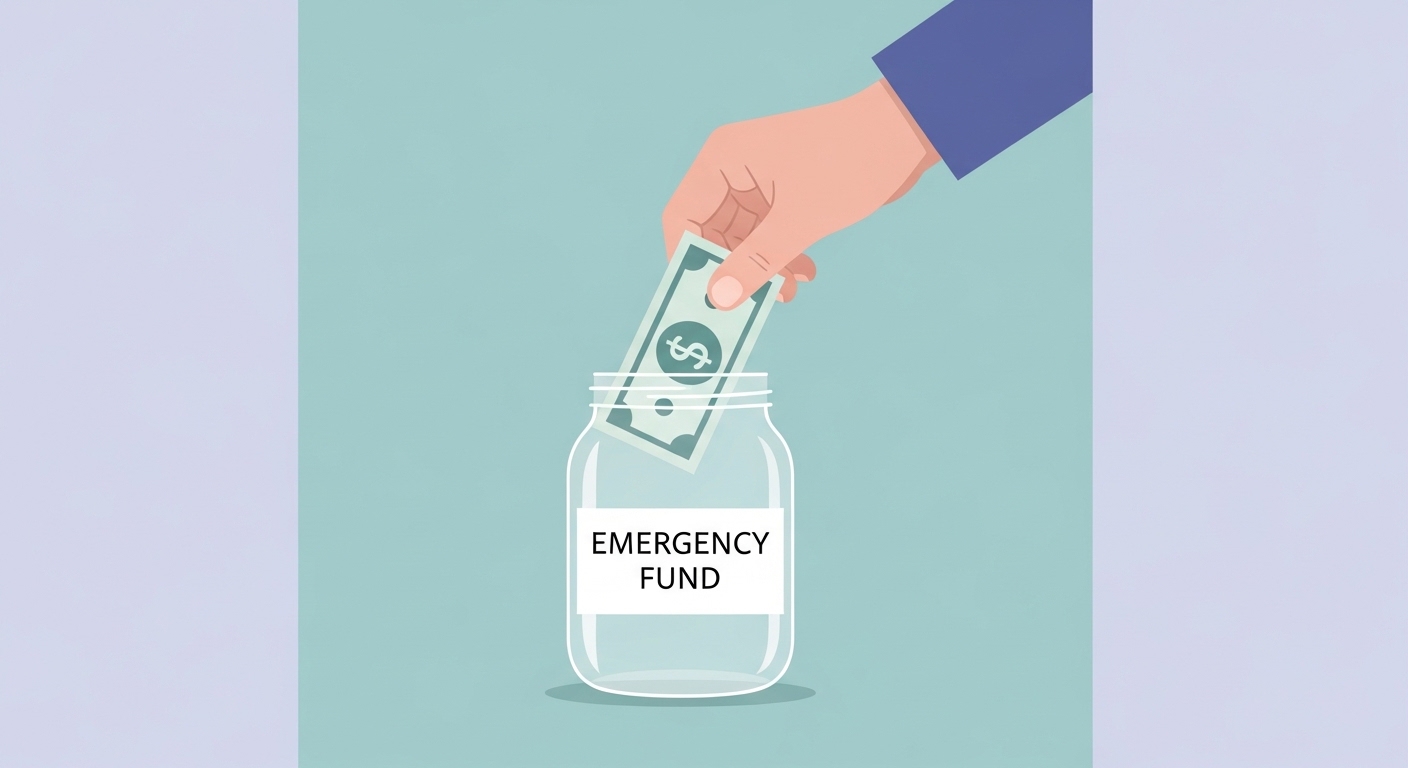
Life is unpredictable. One unexpected medical bill, car repair, or job loss can throw your finances into chaos if you are not prepared. That is why learning how to build an emergency fund from zero step by step is one of the smartest financial decisions you can make.
An emergency fund gives you peace of mind, protects you from debt, and helps you stay on track with long-term goals like investing, passive income, or starting an online business. In this guide, you will learn a practical, beginner-friendly system to build an emergency fund even if you are starting with nothing.
What Is an Emergency Fund and Why You Need One
An emergency fund is money set aside specifically for unexpected expenses. These are not planned costs like vacations or shopping. Emergencies include medical expenses, urgent home repairs, car breakdowns, or sudden income loss.
Without an emergency fund, most people rely on credit cards or loans. This creates long-term financial stress. With a proper emergency fund, you stay in control and avoid high-interest debt.
Benefits of an Emergency Fund
Building an emergency fund helps you:
- Handle unexpected expenses without panic
- Avoid credit card debt
- Protect your long-term savings and investments
- Focus on building wealth through affiliate marketing or a dropshipping business
How Much Emergency Fund Do You Really Need
The ideal emergency fund depends on your lifestyle and income stability. A common rule is to save three to six months of essential expenses.
If you are just starting, do not aim for perfection. Focus on progress.
Emergency Fund Milestones
Use these simple milestones:
- $500 – Covers small emergencies
- $1,000 – A strong starter fund
- 3 months of expenses – Stable foundation
- 6 months of expenses – Full emergency fund
Even $500 can prevent financial stress. The key is starting now.
Step 1: Assess Your Current Financial Situation
Before saving, you need clarity. Write down your monthly income and essential expenses. These include rent, food, utilities, transportation, and insurance.
This step shows where your money goes and how much you can realistically save each month.
You can use free budgeting tools or a simple spreadsheet. Apps like Mint or YNAB can help track spending.
Step 2: Start Small and Make Saving Automatic
If you are starting from zero, saving large amounts can feel impossible. That is normal. The solution is to start small.
Begin with a fixed amount, even $5 or $10 per week. The habit matters more than the amount.
Automate Your Emergency Savings
Automation removes temptation. Set up an automatic transfer to a separate savings account right after payday.
Many online banks offer high-yield savings accounts. This keeps your emergency fund accessible but separate from daily spending.
You can explore options through resources like NerdWallet.
Step 3: Cut Unnecessary Expenses Without Pain
You do not need extreme budgeting to build an emergency fund. Small changes can free up extra cash.
Simple Ways to Save More
- Cancel unused subscriptions
- Cook more meals at home
- Negotiate bills like internet or phone plans
- Delay non-essential purchases
Redirect the money you save straight into your emergency fund. You will not miss what you never see.
Step 4: Increase Your Income Strategically
Cutting expenses has limits. Increasing income accelerates your progress.
This does not mean working nonstop. Smart income strategies can make a big difference.
Smart Income Ideas for Beginners
Consider:
- Freelancing or part-time work
- Selling unused items online
- Starting affiliate marketing as a side project
- Exploring an online business model
Many people compare affiliate vs dropshipping when starting online. Both can work, but your emergency fund should come first before reinvesting profits.
Step 5: Keep Your Emergency Fund Separate
Your emergency fund should not be mixed with your spending or investment accounts. Keep it in a dedicated savings account.
This reduces the temptation to spend it and ensures it is available when needed.
Avoid investing emergency funds. Stocks and crypto are volatile. Emergency money should be safe and liquid.
Step 6: Protect the Fund and Use It Only for Emergencies
Define what qualifies as an emergency. This prevents emotional spending.
What Counts as a True Emergency
- Medical bills
- Essential home or car repairs
- Job loss or income disruption
Planned expenses or lifestyle upgrades do not qualify. Discipline keeps your fund intact.
Step 7: Rebuild Immediately After Using It
If you use part of your emergency fund, rebuild it as soon as possible. Resume automatic contributions immediately.
This ensures you are prepared for the next unexpected event.
Common Mistakes to Avoid When Building an Emergency Fund
Many people fail not because of income, but because of mindset mistakes.
Emergency Fund Mistakes
- Waiting for the “perfect time” to start
- Saving inconsistently
- Investing emergency money
- Stopping contributions too early
Consistency always beats intensity.
How an Emergency Fund Supports Long-Term Wealth
An emergency fund is the foundation of wealth. Without it, investing becomes risky.
Once your emergency fund is secure, you can confidently focus on building passive income, growing a dropshipping business, or expanding an online business.
It also helps you stay calm during market downturns. You are less likely to panic sell investments when your basic needs are covered.
Final Thoughts: Start Today, Even with Zero
Learning how to build an emergency fund from zero step by step is not about income level. It is about habits.
Start small. Stay consistent. Automate your savings. Protect the fund.
Your future self will thank you when life throws its next surprise.
If you want to continue strengthening your financial foundation, explore our guides on budgeting, saving, and building sustainable income streams.