
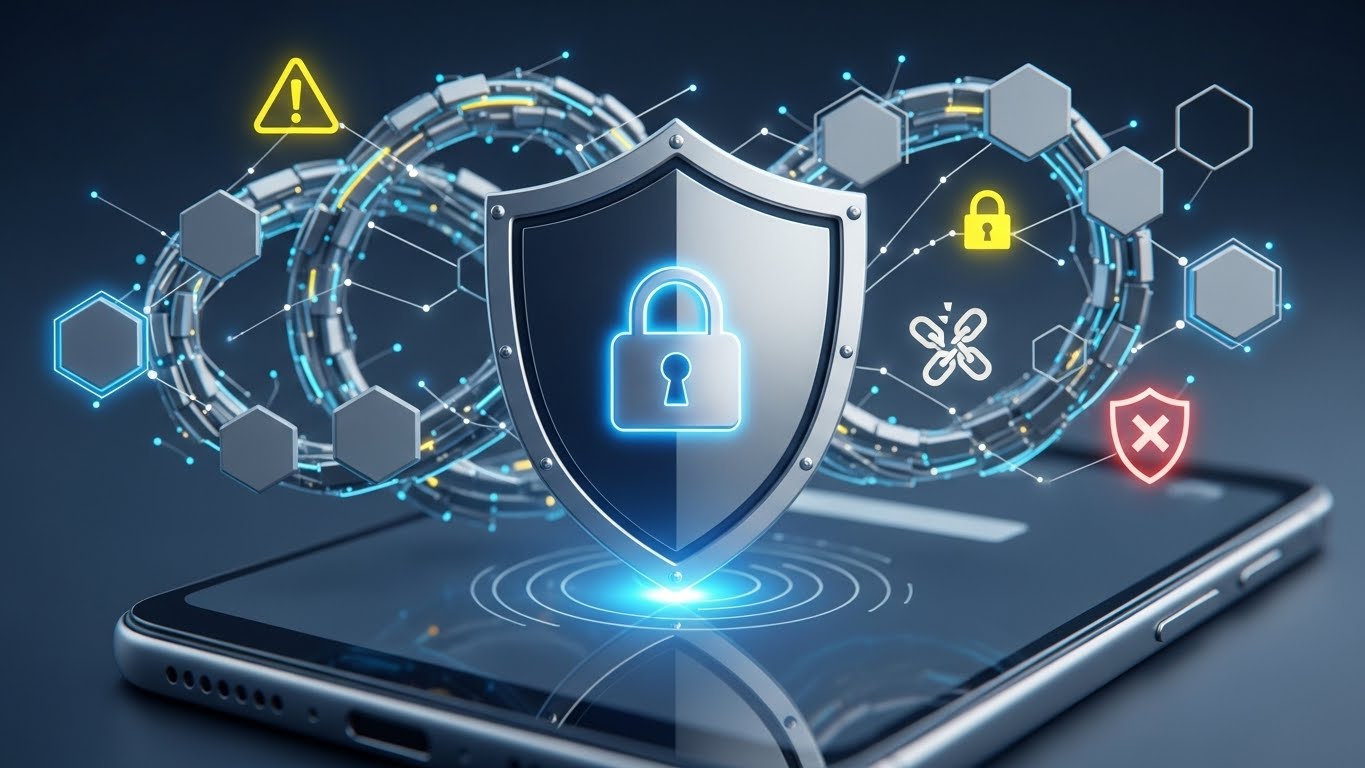
The rise of cryptocurrency has created new opportunities for wealth creation, innovation, and passive income. At the same time, it has opened the door to sophisticated scams that target beginners and experienced investors alike. Learning how to avoid crypto scams and protect your digital assets is now an essential skill for anyone involved in crypto, blockchain, or online finance.
This guide explains the most common crypto scams, how they work, and the practical steps you can take to stay safe. Whether you invest, trade, or run an online business connected to crypto, this article will help you protect what matters most.
Why Crypto Scams Are Increasing
Cryptocurrency operates in a decentralized environment. This means there is no central authority to reverse transactions or recover stolen funds. Once crypto is sent, it is usually gone forever.
Scammers take advantage of:
- The lack of regulation in some regions
- New users entering the market
- Hype around quick profits and passive income
- Complex technology that many people do not fully understand
Understanding these risks is the first step in learning how to avoid crypto scams and protect your digital assets.
Common Types of Crypto Scams You Must Know
1. Phishing Scams
Phishing is one of the most common crypto scams. Scammers impersonate trusted platforms, exchanges, or wallet providers to steal your private keys or login credentials.
These scams often appear as:
- Fake emails claiming account issues
- Clone websites that look identical to real exchanges
- Direct messages on social media
Always double-check website URLs and never click suspicious links. Legitimate companies will never ask for your private keys.
2. Fake Investment and Giveaway Scams
Scammers promise guaranteed profits or double your crypto if you send funds first. These scams are often promoted using fake celebrity endorsements or hacked social media accounts.
Remember this rule: if it sounds too good to be true, it usually is.
3. Rug Pulls and Fake Projects
In a rug pull, developers launch a crypto project, attract investors, and then disappear with the funds. This is common in new DeFi and NFT projects.
Before investing, research the team, whitepaper, and community engagement. Transparency is a key indicator of legitimacy.
4. Romance and Social Engineering Scams
Some scammers build emotional relationships before introducing fake crypto opportunities. These scams are especially dangerous because they exploit trust rather than technical weaknesses.
Never send crypto to someone you have only met online.
How to Avoid Crypto Scams and Protect Your Digital Assets
Use Reputable Wallets and Exchanges
Always use well-known wallets and exchanges with strong security records. Enable two-factor authentication (2FA) wherever possible.
Examples of trusted platforms include established exchanges and hardware wallet providers. You can also refer to security guides from trusted sources like
Investopedia’s crypto security guide.
Never Share Your Private Keys or Seed Phrases
Your private key or recovery phrase is the most important piece of information in crypto. Anyone who has it controls your funds.
No legitimate service will ever ask for this information.
Use Hardware Wallets for Long-Term Storage
If you hold significant crypto, store it in a hardware wallet rather than leaving it on exchanges. Hardware wallets keep your keys offline, reducing the risk of hacks.
Verify Before You Trust
Before investing or connecting your wallet to any platform:
- Check the official website and social media channels
- Search for independent reviews
- Confirm smart contract audits
This verification process is essential for anyone learning how to avoid crypto scams and protect your digital assets.
Crypto Scams and Online Business Opportunities
Many people explore crypto as part of an online business model. This includes trading, NFTs, DeFi, and even comparisons like affiliate vs dropshipping when choosing income streams.
Crypto-related affiliate marketing programs can be legitimate, but they are also heavily abused by scammers. Always research the company before promoting or joining any program.
Similarly, a dropshipping business may accept crypto payments, which requires additional security awareness. Business owners must protect both customer data and digital assets.
Red Flags That Signal a Crypto Scam
Watch out for these warning signs:
- Guaranteed returns or zero-risk claims
- Pressure to act quickly
- Unverified teams or anonymous founders
- Requests for private keys or upfront payments
Recognizing these red flags can prevent costly mistakes.
What to Do If You Fall Victim to a Crypto Scam
If you believe you have been scammed:
- Immediately secure your remaining assets
- Revoke wallet permissions
- Report the scam to the platform involved
- File a report with local cybercrime authorities
While recovery is difficult, acting quickly can limit further damage.
Building Long-Term Crypto Security Habits
Crypto security is not a one-time task. It is an ongoing process. Stay informed about new scam tactics, update your security practices, and never stop learning.
Trusted educational resources like
the FTC’s crypto scam awareness page
can help you stay updated.
Conclusion
Learning how to avoid crypto scams and protect your digital assets is essential in today’s digital economy. Crypto offers powerful opportunities for growth, passive income, and innovation, but only for those who prioritize security.
By understanding common scams, using trusted tools, and staying vigilant, you can protect your investments and confidently participate in the crypto space. Whether you are an investor, trader, or building an online business, security should always come first.