
Debt can feel overwhelming. Credit cards, personal loans, student loans, and car payments add up quickly. If you feel stuck, you are not alone. The good news is that there is a proven strategy that works for millions of people. In this guide, you will learn how to reduce debt using the debt snowball method step by step.
This method is simple, powerful, and designed to build momentum. It focuses on behavior, not just math. When applied correctly, it can help you eliminate debt faster than you think.
What Is the Debt Snowball Method?
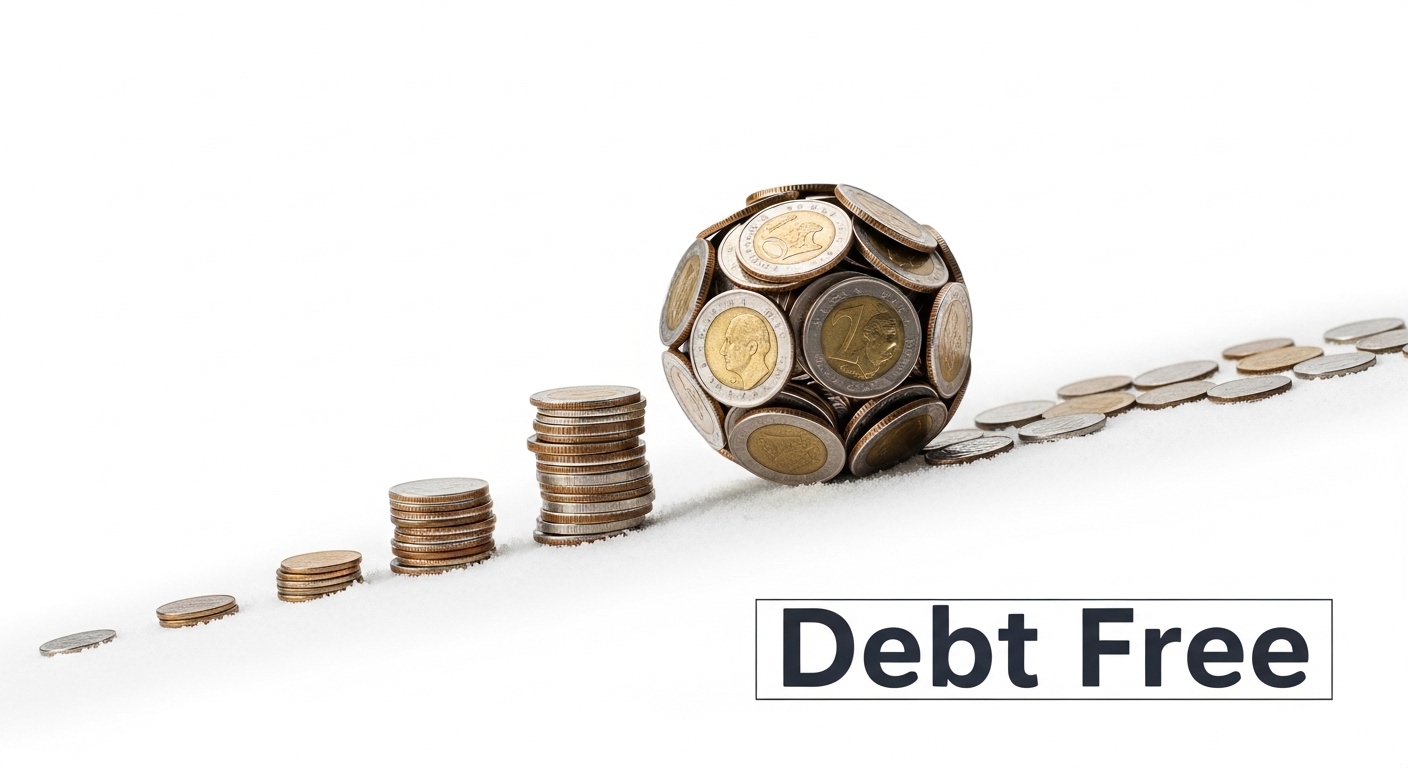
The debt snowball method is a debt repayment strategy where you pay off your smallest debts first while making minimum payments on the rest. Once the smallest debt is cleared, you move to the next smallest. Like a snowball rolling downhill, your payments grow larger over time.
This method was popularized by financial expert Dave Ramsey. It focuses on psychological wins. Small victories keep you motivated and consistent.
How It Works
- List all your debts from smallest to largest balance.
- Make minimum payments on all debts.
- Put extra money toward the smallest debt.
- Once paid off, roll that payment into the next debt.
- Repeat until you are debt-free.
Simple structure. Clear direction. Strong momentum.
Why the Debt Snowball Method Works
Many people think paying the highest interest rate first makes more sense. That approach is called the avalanche method. However, behavior often matters more than math.
Here is why how to reduce debt using the debt snowball method is so effective:
1. Quick Wins Build Confidence
Paying off a small balance quickly gives you confidence. You see progress fast. That keeps you focused.
2. Momentum Increases Over Time
Each time you eliminate a debt, your available monthly cash flow grows. Your snowball gets bigger.
3. It Simplifies Your Finances
Fewer payments mean less stress. Less stress means better financial decisions.
Step-by-Step Guide: How to Reduce Debt Using the Debt Snowball Method
Step 1: List All Your Debts
Create a clear list. Include:
- Credit cards
- Personal loans
- Student loans
- Medical bills
- Car loans
Do not include your mortgage in the beginning. Focus on consumer debt first.
Step 2: Organize from Smallest to Largest
Ignore interest rates for now. Order your debts purely by balance size.
Example:
- $500 credit card
- $1,200 medical bill
- $3,000 personal loan
- $8,000 car loan
Step 3: Cut Expenses Immediately
If you want faster results, reduce expenses. Cancel subscriptions. Cook at home. Sell unused items.
You can also explore ways to earn more. Many people build side income streams such as affiliate marketing or starting an online business to increase debt payments.
For example, learning the difference between affiliate vs dropshipping can help you choose the right path. Some prefer affiliate marketing for low startup costs. Others choose a dropshipping business for greater control over products. Both can generate passive income that accelerates debt payoff.
If you are interested in starting online, check this beginner-friendly guide from Shopify’s dropshipping resource center.
Step 4: Attack the Smallest Debt
Throw every extra dollar at the smallest debt. Tax refunds, bonuses, side income — use them all.
Stay intense. Stay focused.
Step 5: Roll the Payment Forward
Once the smallest debt is gone, take that entire payment amount and apply it to the next smallest balance.
This is where the magic happens. Your snowball grows fast.
Example of the Debt Snowball in Action
Let’s say you have:
- $1,000 credit card (minimum $50)
- $3,000 loan (minimum $150)
- $7,000 car loan (minimum $300)
You pay $200 toward the $1,000 debt while paying minimums on others. In 5 months, it is gone.
Now you take that $200 and add it to the $150 payment on the next loan. You now pay $350 monthly toward the $3,000 loan.
The snowball grows.
Debt Snowball vs Debt Avalanche
Understanding both methods helps you decide wisely.
Debt Snowball
- Focus: Smallest balance first
- Advantage: Motivation and quick wins
- Best for: People who struggle with consistency
Debt Avalanche
- Focus: Highest interest rate first
- Advantage: Saves more money long term
- Best for: Highly disciplined individuals
If motivation is your biggest challenge, how to reduce debt using the debt snowball method is likely your best option.
How to Speed Up the Debt Snowball
Increase Your Income
Side hustles can make a major difference. Many people build digital income streams such as:
- Blogging
- Affiliate marketing
- Freelancing
- YouTube content creation
- Starting a dropshipping business
When structured properly, these can evolve into passive income sources.
For example, a blog comparing affiliate vs dropshipping can attract organic traffic and generate commissions. Over time, your online business can contribute hundreds or even thousands per month toward debt repayment.
Use Windfalls Strategically
Tax refunds, work bonuses, or gifts should go directly into your snowball.
Automate Minimum Payments
Automation prevents missed payments and protects your credit score.
Common Mistakes to Avoid
1. Taking on New Debt
Avoid adding new balances while paying off old ones.
2. Skipping Emergency Savings
Keep at least a small emergency fund. Even $500 to $1,000 helps prevent setbacks.
3. Losing Focus
Debt freedom requires consistency. Track progress monthly.
Psychological Benefits of the Debt Snowball Method
Money is emotional. That is why how to reduce debt using the debt snowball method works so well.
Each completed debt creates a sense of achievement. That emotional reward increases discipline. Over time, your money habits improve.
You begin thinking long term. Instead of borrowing, you build savings. Instead of payments, you invest.
What to Do After You Become Debt-Free
Once your snowball eliminates all consumer debt, redirect your payments toward wealth building.
1. Build a Full Emergency Fund
Save 3 to 6 months of living expenses.
2. Start Investing
Open retirement accounts. Consider index funds. Learn about diversification.
3. Build Scalable Income Streams
Many people transition from debt payoff to business building. You may explore affiliate marketing, launch an online business, or scale a dropshipping business.
Long term, these assets can generate sustainable passive income and financial independence.
Is the Debt Snowball Method Right for You?
Ask yourself:
- Do I need motivation to stay consistent?
- Do small wins help me stay disciplined?
- Do I feel overwhelmed by multiple payments?
If yes, then how to reduce debt using the debt snowball method is likely the right strategy.
Final Thoughts
Debt does not disappear overnight. But with a clear plan, it disappears faster than you think.
The key to mastering how to reduce debt using the debt snowball method is consistency. Focus on one debt at a time. Celebrate progress. Increase income when possible. Stay disciplined.
Once you eliminate debt, you unlock financial freedom. From there, you can build investments, grow an online business, create passive income, and design the life you truly want.
Start today. Your future self will thank you.