
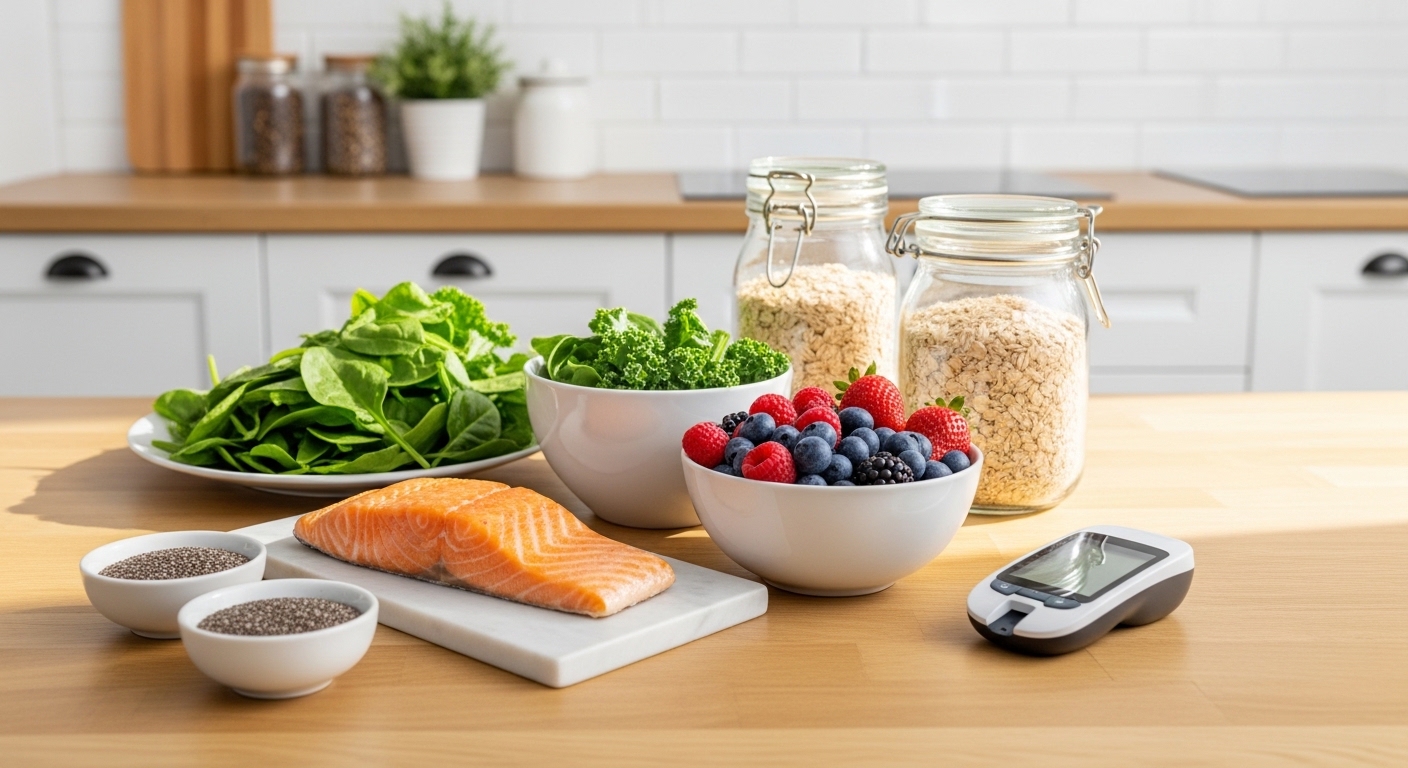
Many people are searching for safe and sustainable ways to manage their blood glucose levels. If you have prediabetes, insulin resistance, or type 2 diabetes, learning how to lower blood sugar naturally without medication can be life-changing. While medication is necessary for some individuals, lifestyle changes often play the biggest role in long-term control.
In this comprehensive guide, you will discover science-backed strategies to stabilize glucose levels, improve insulin sensitivity, and protect your long-term health.
Understanding Blood Sugar and Why It Matters
Blood sugar, or blood glucose, is your body’s main source of energy. It comes from the carbohydrates you eat. The hormone insulin helps move glucose from the bloodstream into cells.
When this system does not work efficiently, blood sugar levels rise. Over time, high blood sugar can damage the heart, kidneys, eyes, and nerves.
According to the World Health Organization, diabetes is one of the fastest-growing chronic conditions globally. The good news is that lifestyle changes can significantly improve glucose control.
1. Focus on a Low-Glycemic, High-Fiber Diet
Choose Complex Carbohydrates
If you want to know how to lower blood sugar naturally without medication, your diet is the first place to start. Replace refined carbohydrates with whole foods such as:
- Brown rice instead of white rice
- Whole-grain bread instead of white bread
- Oats instead of sugary cereals
- Quinoa, lentils, and beans
These foods digest slowly and prevent sudden spikes in glucose.
Increase Fiber Intake
Fiber slows sugar absorption. Aim for at least 25–35 grams per day. High-fiber foods include vegetables, chia seeds, flaxseeds, legumes, and berries.
Soluble fiber is particularly effective at improving insulin sensitivity.
2. Control Portion Sizes
Even healthy carbohydrates can raise blood sugar if eaten in excess. Practice mindful eating:
- Use smaller plates
- Measure servings
- Avoid second helpings
- Balance carbs with protein and healthy fats
Small adjustments can make a major difference over time.
3. Exercise Regularly to Improve Insulin Sensitivity
One of the most effective answers to how to lower blood sugar naturally without medication is regular physical activity.
Best Types of Exercise
- Brisk walking for 30 minutes daily
- Strength training 2–3 times per week
- Yoga for stress reduction
- High-intensity interval training (if medically appropriate)
Exercise helps muscles use glucose more efficiently. It also lowers insulin resistance.
The Centers for Disease Control and Prevention recommends at least 150 minutes of moderate exercise weekly.
4. Maintain a Healthy Weight
Losing even 5–10% of your body weight can significantly improve blood sugar levels. Excess visceral fat increases insulin resistance.
Focus on gradual and sustainable weight loss. Avoid crash diets. Combine healthy eating with regular exercise for long-term results.
5. Manage Stress Effectively
Chronic stress raises cortisol levels. Elevated cortisol increases blood sugar.
To naturally reduce stress:
- Practice deep breathing exercises
- Meditate daily
- Spend time outdoors
- Maintain social connections
Simple habits like 10 minutes of daily mindfulness can improve glucose stability.
6. Improve Sleep Quality
Poor sleep disrupts insulin sensitivity. Adults should aim for 7–9 hours of quality sleep per night.
To improve sleep:
- Maintain a consistent bedtime
- Avoid screens before bed
- Limit caffeine intake
- Keep your bedroom dark and cool
Better sleep supports hormonal balance and glucose control.
7. Stay Hydrated
Drinking enough water helps flush excess sugar through urine. Mild dehydration can elevate blood sugar levels.
Aim for 6–8 glasses of water daily, or more if physically active.
8. Add Blood Sugar-Friendly Foods
Cinnamon
Cinnamon may improve insulin sensitivity and lower fasting glucose.
Apple Cider Vinegar
Some studies suggest diluted apple cider vinegar may reduce post-meal spikes.
Leafy Greens
Spinach, kale, and arugula are low in carbs and rich in nutrients.
Fatty Fish
Salmon and sardines provide omega-3 fatty acids that reduce inflammation.
Always consult a healthcare professional before making major dietary changes.
9. Monitor Your Blood Sugar Levels
Tracking glucose gives valuable feedback. It helps you understand how food, exercise, and stress affect your body.
Home glucose monitors are widely available. Regular monitoring supports informed lifestyle adjustments.
10. Reduce Added Sugars and Sugary Drinks
Sugary beverages are one of the fastest ways to spike blood glucose. Avoid:
- Sodas
- Energy drinks
- Sweetened coffee beverages
- Fruit juices with added sugar
Choose water, herbal tea, or unsweetened beverages instead.
11. Build Long-Term Habits for Sustainable Results
Consistency matters more than perfection. Small, daily improvements create long-term benefits.
Interestingly, building healthy habits is similar to building a successful online business. Whether comparing affiliate vs dropshipping, launching affiliate marketing, or starting a dropshipping business, success depends on consistency and long-term strategy.
Just as entrepreneurs focus on creating passive income through steady growth, managing blood sugar naturally requires sustainable routines rather than quick fixes.
When Medication May Still Be Necessary
While learning how to lower blood sugar naturally without medication is empowering, some individuals require medical treatment. Type 1 diabetes always requires insulin. Some cases of type 2 diabetes also require medication.
Lifestyle changes should complement, not replace, professional medical advice.
Sample Daily Plan to Stabilize Blood Sugar
Morning
- High-protein breakfast (eggs with vegetables)
- 10-minute walk after eating
Afternoon
- Balanced lunch with lean protein and fiber
- Hydration throughout the day
Evening
- Light dinner with controlled carbohydrates
- Relaxation routine before bed
Simple structure improves consistency.
Final Thoughts
Learning how to lower blood sugar naturally without medication is not about extreme dieting or complicated routines. It is about balanced nutrition, regular movement, quality sleep, stress management, and consistency.
Small changes can produce powerful results. Start with one habit today. Over time, your body will thank you.
For more health optimization strategies, explore our healthy lifestyle resources.