
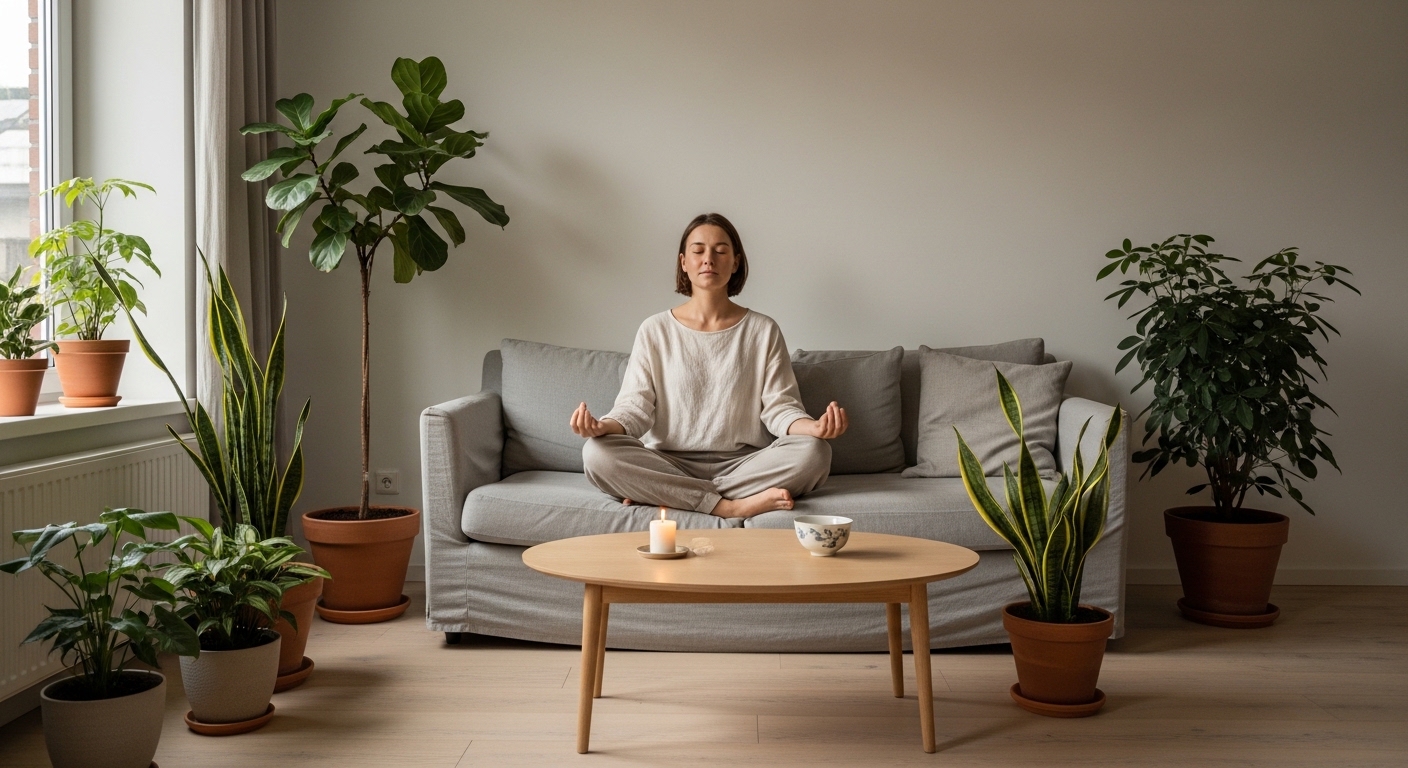
How to Improve Mental Health and Reduce Anxiety at Home is one of the most searched topics today. Modern life is fast, demanding, and often overwhelming. Many people experience stress, anxious thoughts, sleep problems, and emotional burnout.
The good news is that you can take powerful steps from the comfort of your home. With simple habits, structured routines, and mindful practices, you can improve emotional balance and reduce anxiety naturally.
This guide will walk you through practical, science-backed strategies to help you feel calmer, stronger, and more in control.
Why Mental Health at Home Matters
Your home environment directly affects your mental state. A chaotic or stressful space can increase anxiety. In contrast, a calm and organized environment promotes emotional stability.
When you actively work on How to Improve Mental Health and Reduce Anxiety at Home, you create a safe foundation for growth. You also reduce reliance on unhealthy coping mechanisms.
According to the World Health Organization, mental health is essential for overall well-being. Small daily habits can significantly improve long-term emotional resilience.
Create a Structured Daily Routine
1. Wake Up and Sleep at the Same Time
Your brain loves consistency. A stable sleep schedule regulates hormones that influence stress and mood.
Try to:
- Wake up at the same time daily
- Avoid screens one hour before bed
- Keep your bedroom cool and dark
Better sleep is one of the fastest ways to improve mental health naturally.
2. Plan Your Day with Simple Goals
Overthinking often fuels anxiety. Writing down 3–5 achievable daily tasks helps reduce mental clutter.
Clear goals give direction. Direction reduces worry.
Practice Mindfulness and Breathing Techniques
If you want to master How to Improve Mental Health and Reduce Anxiety at Home, mindfulness is essential.
1. Deep Breathing Exercise
Try the 4-4-6 method:
- Inhale for 4 seconds
- Hold for 4 seconds
- Exhale for 6 seconds
Repeat for 5 minutes. This slows your heart rate and signals safety to your nervous system.
2. Guided Meditation
Apps and online platforms offer free guided sessions. Even 10 minutes per day improves emotional regulation.
For example, NHS mental wellbeing tips recommend daily mindfulness for anxiety reduction.
Move Your Body Every Day
Physical activity releases endorphins, your body’s natural mood boosters.
You do not need a gym membership. At-home options include:
- Bodyweight workouts
- Yoga sessions
- Stretching routines
- Brisk walking around your neighborhood
Exercise improves sleep, reduces stress hormones, and enhances confidence. It is one of the most effective tools for improving mental health.
Limit Social Media and News Consumption
Constant exposure to negative headlines increases anxiety levels.
To improve emotional balance:
- Set screen time limits
- Turn off non-essential notifications
- Avoid scrolling before bedtime
Protecting your mental space is crucial when learning How to Improve Mental Health and Reduce Anxiety at Home.
Build Financial Stability to Reduce Stress
Money worries are a major cause of anxiety. Creating additional income streams can reduce long-term stress.
Many people explore options like starting an online business or generating passive income from home.
For example, understanding affiliate vs dropshipping helps beginners decide how to build income online. Both affiliate marketing and a dropshipping business can be managed from home and offer flexible earning potential.
Financial security improves emotional stability. While money is not everything, reduced financial stress supports mental well-being.
If you are interested in earning from home, you can explore our guide on how to start an online business to create more stability and freedom.
Declutter and Organize Your Space
A messy environment increases cognitive overload.
Start small:
- Clean one drawer
- Organize your desk
- Remove unnecessary items
Decluttering creates a sense of control. Control reduces anxiety.
Strengthen Social Connections
Isolation increases anxious thoughts. Even at home, you can maintain strong relationships.
Try to:
- Schedule weekly video calls
- Join online communities
- Reconnect with old friends
Healthy communication improves emotional resilience and reduces loneliness.
Eat for Better Mental Health
Your brain needs proper fuel. Poor nutrition can worsen anxiety symptoms.
Focus on:
- Whole foods
- Lean proteins
- Omega-3 fatty acids
- Hydration
Reduce caffeine and processed sugar if anxiety is severe.
Develop a Personal Growth Habit
Learning something new builds confidence and shifts focus away from worry.
You could:
- Read personal development books
- Learn digital skills
- Start journaling
- Take online courses
Growth creates momentum. Momentum builds self-esteem.
Journaling to Release Mental Tension
Writing your thoughts reduces mental pressure.
Try this simple method:
- Write down your worries
- Challenge irrational fears
- List three things you are grateful for
Gratitude rewires your brain toward positivity over time.
Set Healthy Boundaries
Many people struggle with anxiety because they overcommit.
Learn to say no. Protect your time and energy. Boundaries prevent burnout.
When to Seek Professional Help
While learning How to Improve Mental Health and Reduce Anxiety at Home is powerful, professional support is sometimes necessary.
Seek help if you experience:
- Persistent panic attacks
- Severe sleep disruption
- Loss of interest in daily activities
- Thoughts of self-harm
Therapists, counselors, and doctors can provide tailored guidance and treatment.
Daily 30-Minute Anti-Anxiety Routine
If you prefer structure, follow this simple daily reset:
- 5 minutes deep breathing
- 10 minutes movement
- 5 minutes journaling
- 10 minutes learning or reading
Consistency matters more than intensity.
Final Thoughts
Learning How to Improve Mental Health and Reduce Anxiety at Home is not about perfection. It is about small, sustainable habits.
Start with one or two strategies. Build gradually. Over time, your mind becomes stronger and more resilient.
Your home can become your sanctuary. With structure, mindfulness, financial clarity, and emotional awareness, you can reduce anxiety and create lasting mental wellness.