
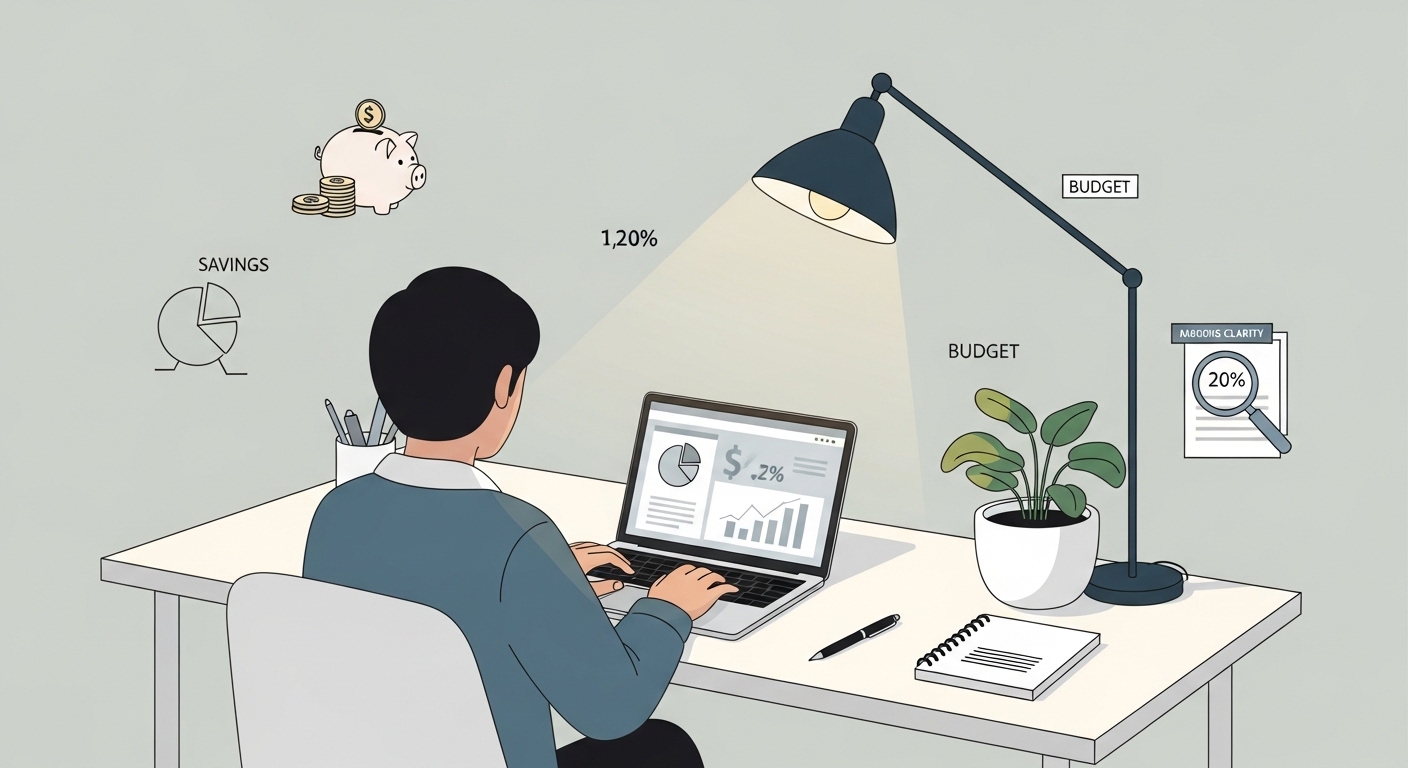
Learning how to make smart financial decisions without stress is one of the most valuable life skills you can develop. Money affects nearly every part of daily life. From paying bills to planning your future, financial choices can feel overwhelming. The good news is that smart money decisions do not require advanced math, insider knowledge, or constant anxiety.
With the right mindset, simple systems, and realistic goals, you can manage your finances calmly and confidently. This guide breaks everything down into clear, actionable steps that help you stay in control while reducing stress.
Why Financial Decisions Feel Stressful
Before fixing the problem, it helps to understand it. Financial stress usually comes from uncertainty. Many people feel unsure about where their money is going, how much they need, or whether they are making the “right” choices.
Common reasons money decisions cause anxiety include inconsistent income, lack of budgeting, debt pressure, and unrealistic expectations. Social media comparisons and confusing financial advice also add pressure.
When you simplify your approach and focus on clarity instead of perfection, money decisions become easier.
Define Clear Financial Goals First
Smart financial decisions always start with clear goals. Without direction, every choice feels stressful because you do not know what you are working toward.
Short-Term Goals
Short-term goals include paying monthly bills, building an emergency fund, or saving for a small purchase. These goals give you immediate stability and confidence.
Long-Term Goals
Long-term goals might include buying a home, investing, or building passive income streams. These goals guide your bigger financial decisions and help you stay focused.
Write your goals down. Be specific. Clear goals reduce emotional decision-making.
Create a Simple Budget That Works
Budgeting does not mean restriction. It means awareness. A simple budget helps you make smart financial decisions without stress by showing exactly where your money goes.
Start with your income. List fixed expenses like rent and utilities. Then list variable expenses such as food and entertainment. Finally, allocate savings.
You can use free tools or apps, or a simple spreadsheet. Choose what feels easiest.
For more budgeting tips, you can link internally to a related guide like How to Build an Emergency Fund from Zero.
Build an Emergency Fund for Peace of Mind
An emergency fund is one of the strongest stress reducers in personal finance. It protects you from unexpected expenses like medical bills or job loss.
Start small. Even saving one month of expenses can make a huge difference. Over time, aim for three to six months.
When you have a safety net, financial decisions feel less urgent and less emotional.
Avoid Emotional Spending Triggers
Many poor financial decisions happen during emotional moments. Stress, boredom, and comparison can lead to impulse spending.
Pause before making purchases. Ask yourself if the expense aligns with your goals. Waiting 24 hours before buying non-essentials often prevents regret.
Reducing emotional spending is a key step in learning how to make smart financial decisions without stress.
Understand Debt Before Taking It On
Not all debt is bad, but unmanaged debt causes significant stress. Credit cards and high-interest loans can quickly spiral out of control.
If you have debt, list balances, interest rates, and minimum payments. Focus on paying high-interest debt first while maintaining essentials.
Before taking on new debt, understand the full cost. Knowledge reduces anxiety.
Automate Your Finances
Automation removes daily decision fatigue. Set up automatic bill payments and savings transfers.
This ensures consistency and prevents missed payments. Automation also helps you save without constantly thinking about it.
When systems handle routine tasks, you are free to focus on bigger financial goals.
Educate Yourself at Your Own Pace
You do not need to become a finance expert overnight. Learning gradually builds confidence.
Read blogs, watch educational videos, or follow trusted sources. Understanding basics like investing, taxes, and savings helps you make better choices.
For reliable information, consider external resources such as Investopedia for clear explanations.
Explore Income Growth Opportunities Carefully
Increasing income reduces financial stress faster than cutting expenses alone. Many people explore online business models to diversify income.
Options include freelancing, selling digital products, or starting affiliate marketing. Others compare affiliate vs dropshipping when choosing a business model.
Each option has pros and cons. A dropshipping business may require more setup, while affiliate marketing often has lower upfront costs.
Choose based on your skills, time, and risk tolerance.
Keep Financial Decisions Simple
Complex systems often increase stress. Simplicity leads to consistency.
Focus on a few key habits: saving regularly, spending intentionally, and reviewing finances monthly. You do not need to optimize every detail.
Consistency beats perfection in long-term financial success.
Review and Adjust Regularly
Your financial situation changes over time. Regular reviews help you stay aligned with your goals.
Check your budget monthly. Adjust for new expenses or income changes. This keeps surprises minimal and stress low.
Small adjustments prevent big problems later.
Develop a Healthy Money Mindset
Your mindset influences your decisions more than numbers do. Fear-based thinking leads to avoidance or impulsive choices.
View money as a tool, not a source of self-worth. Progress matters more than perfection.
When you trust your system, confidence replaces anxiety.
Plan for the Future Without Obsession
Planning is important, but overthinking causes stress. Set long-term goals, then break them into small steps.
Focus on what you can control today. Daily habits shape future outcomes.
Smart planning brings calm, not pressure.
Final Thoughts
Learning how to make smart financial decisions without stress is about clarity, simplicity, and consistency. You do not need complicated strategies or constant monitoring.
By setting clear goals, creating simple systems, and educating yourself gradually, you can manage money with confidence. Financial peace comes from control, not perfection.
Start small. Stay consistent. Your future self will thank you.