
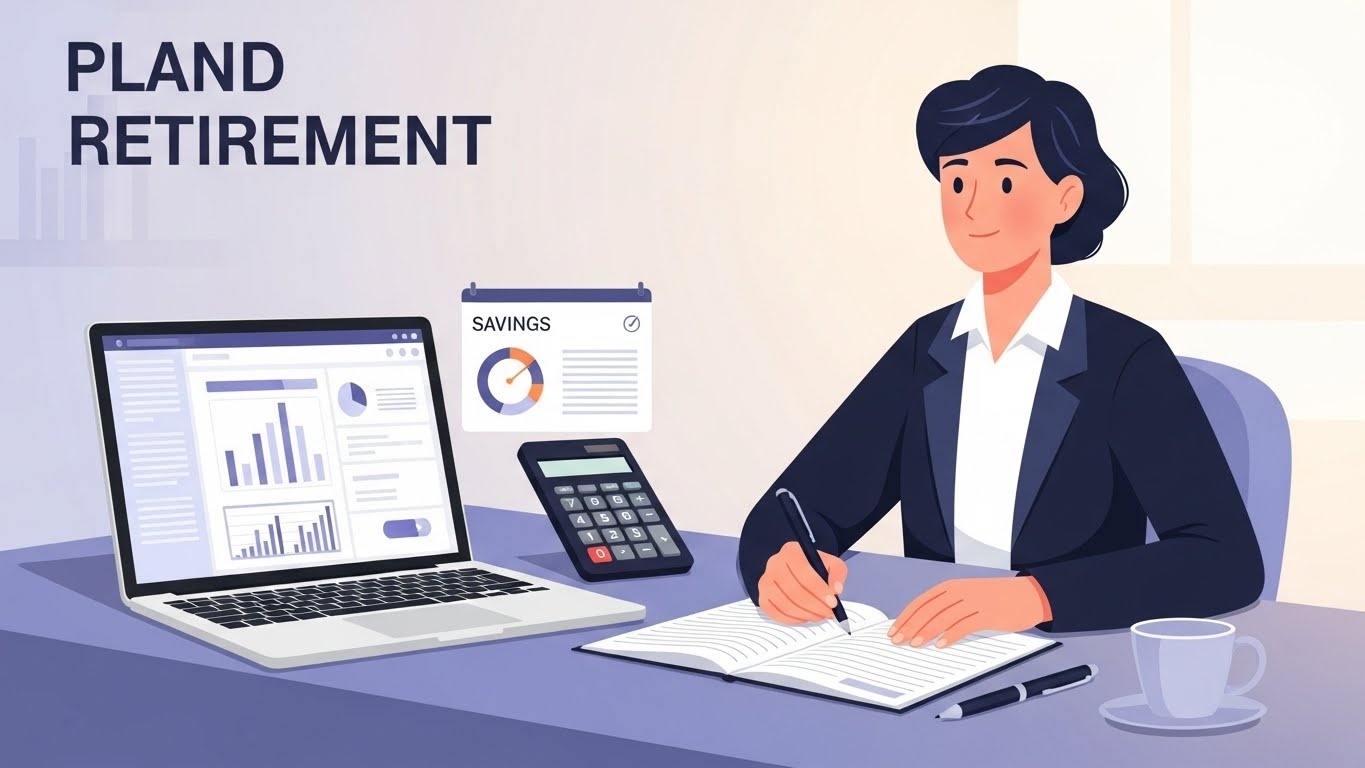
Saving for retirement can feel overwhelming, especially if you believe you have started too late. Many people assume that retirement planning only works if you begin in your early twenties. The truth is very different. How to save for retirement early even if you start late is not only possible, but realistic with the right mindset, strategies, and consistency.
Whether you are in your 30s, 40s, or even 50s, you can still build a secure retirement. This guide will walk you through practical steps to take control of your financial future, reduce stress, and grow your wealth steadily over time.
Why Starting Late Does Not Mean Failing
Many late starters give up before they begin. That is a costly mistake. Retirement planning is not about timing alone. It is about clarity, discipline, and smart decisions. Even small contributions can grow significantly when invested wisely.
The key is to focus on what you can control today rather than worrying about missed years. When you understand how to save for retirement early even if you start late, you realize that progress matters more than perfection.
Set a Clear Retirement Goal
Before saving, you need direction. Ask yourself when you want to retire and what lifestyle you want. Do you plan to travel, downsize your home, or work part-time?
A clear goal helps you calculate how much you need to save each month. It also makes decisions easier when you need to cut expenses or increase income.
Estimate Your Retirement Expenses
List your expected monthly expenses in retirement. Include housing, food, healthcare, transportation, and leisure. Then adjust for inflation.
This estimate does not need to be perfect. It simply gives you a target to work toward.
Prioritize Saving Over Spending
If you start late, saving must become a priority. This often means changing spending habits.
Track your expenses for one month. Identify areas where you can reduce costs without hurting your quality of life. Redirect that money into retirement savings.
Pay yourself first. Treat retirement contributions like a non-negotiable bill.
Take Full Advantage of Retirement Accounts
Tax-advantaged retirement accounts are powerful tools, especially for late starters.
Employer-Sponsored Retirement Plans
If your employer offers a retirement plan, contribute as much as possible. Employer matching is essentially free money. Never leave it on the table.
Increase your contribution percentage whenever you receive a raise or bonus.
Individual Retirement Accounts
IRAs offer flexibility and tax benefits. If you are eligible, maximize your annual contributions.
Late starters can often contribute more through catch-up options, accelerating their savings.
Invest Wisely, Not Fearfully
Keeping money in cash may feel safe, but it limits growth. Investing allows your money to work for you.
Diversify across assets to reduce risk. Choose investments that match your time horizon and risk tolerance.
If you feel unsure, consider low-cost index funds or target-date funds. These options simplify investing while maintaining long-term growth potential.
Create Additional Income Streams
One of the fastest ways to catch up on retirement savings is to increase income. This is where modern opportunities shine.
Many people build passive income streams that supplement their primary job. These earnings can be directed entirely toward retirement.
Online Business Opportunities
Starting an online business is more accessible than ever. You do not need a large upfront investment.
Popular models include affiliate marketing and running a dropshipping business. Understanding affiliate vs dropshipping can help you choose the right path based on your skills and time availability.
Affiliate marketing allows you to earn commissions by promoting products, while dropshipping involves selling products without holding inventory. Both can generate long-term income if done correctly.
You can learn more about building sustainable online income through resources like
Investopedia’s guide to passive income.
Eliminate High-Interest Debt Quickly
High-interest debt is one of the biggest barriers to retirement savings. Credit card interest can erase investment gains.
Focus on paying off high-interest balances as soon as possible. Once cleared, redirect those payments into your retirement accounts.
Being debt-free increases cash flow and reduces financial stress.
Delay Retirement If Necessary
Working a few extra years can significantly improve retirement security. It allows more time to save and reduces the number of years your savings must last.
Delaying retirement also increases potential benefits and provides stability while investments continue to grow.
Automate Your Savings
Automation removes emotion from saving. Set up automatic transfers to your retirement accounts.
This ensures consistency and prevents missed contributions. Over time, automation builds discipline effortlessly.
Review and Adjust Regularly
Your financial situation will change. Review your retirement plan at least once a year.
Adjust contributions, investments, and goals as needed. Flexibility keeps your plan realistic and effective.
You can also explore trusted retirement planning tools from
Consumer Financial Protection Bureau.
Mindset Matters More Than Age
Many people underestimate the power of commitment. Starting late often comes with stronger focus and discipline.
You may earn more now than you did in your twenties. You may also be more intentional with money. These advantages can offset lost time.
When you understand how to save for retirement early even if you start late, you stop comparing yourself to others and start building your own success.
Final Thoughts
It is never too late to take control of your retirement. The most important step is starting today.
Set clear goals, reduce unnecessary spending, invest wisely, and increase income where possible. Whether through traditional savings or modern opportunities like affiliate marketing and other online business models, every action compounds over time.
Your future self will thank you for the decisions you make now.