
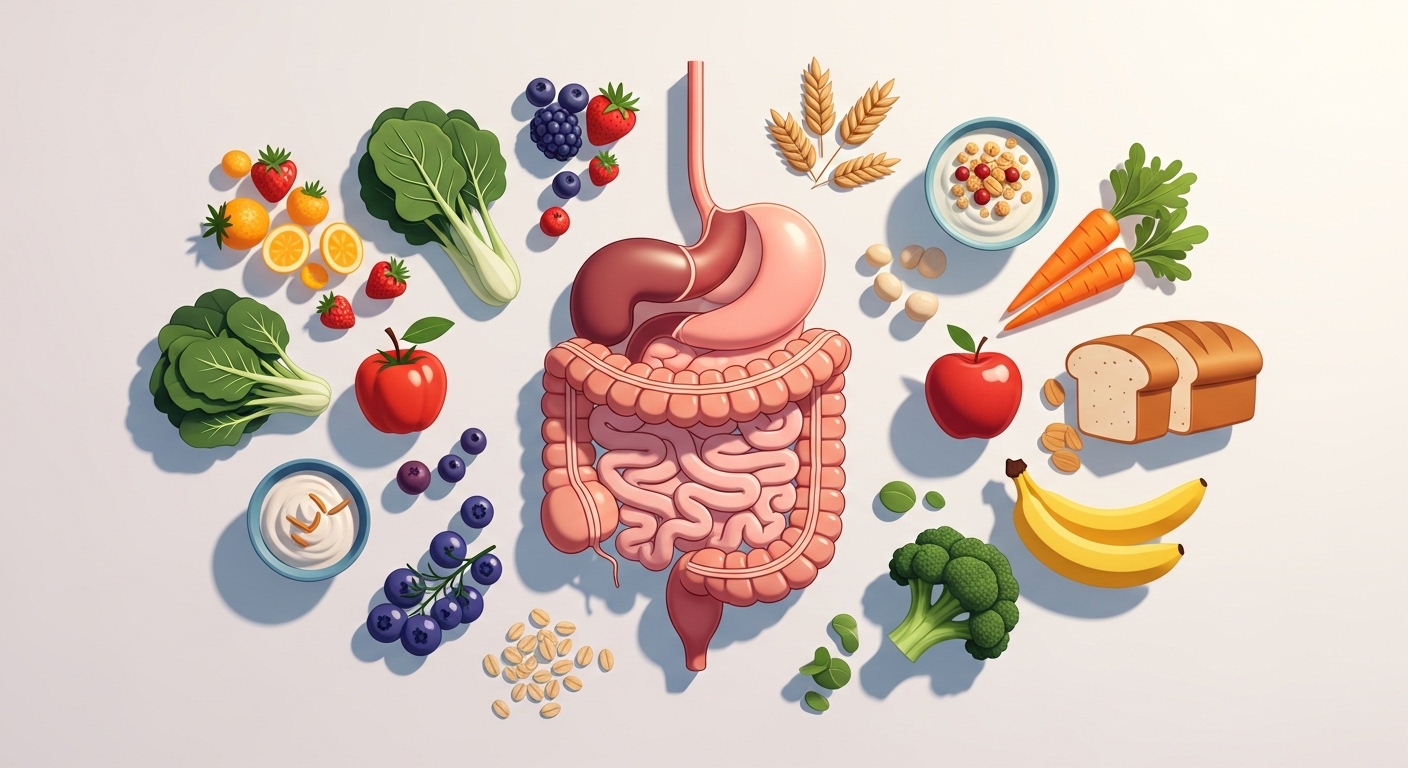
How to improve gut health for better digestion and immunity is a question more people are asking as digestive issues, low energy, and weakened immune systems become increasingly common. Your gut is not just responsible for breaking down food. It plays a central role in nutrient absorption, hormone regulation, mental clarity, and immune defense.
A healthy gut can improve digestion, reduce inflammation, strengthen immunity, and even support long-term lifestyle goals such as building passive income through a sustainable online business. When your body functions well, your productivity and focus naturally improve.
This guide explains practical, science-backed ways to improve gut health naturally, using diet, lifestyle, and daily habits that fit into a modern routine.
What Is Gut Health and Why Does It Matter?
Gut health refers to the balance and function of microorganisms living in your digestive tract, collectively known as the gut microbiome. These microbes help digest food, produce vitamins, regulate inflammation, and protect against harmful pathogens.
When the gut microbiome is balanced, digestion becomes smoother, immunity strengthens, and energy levels improve. When it is disrupted, problems such as bloating, constipation, fatigue, food sensitivities, and frequent illness may occur.
According to research shared by Healthline, over 70% of the immune system is connected to the gut. This makes gut health essential for long-term wellness.
Signs of an Unhealthy Gut
Many people live with poor gut health without realizing it. Common signs include:
- Frequent bloating or gas
- Constipation or diarrhea
- Food intolerances
- Low energy levels
- Skin issues such as acne or eczema
- Frequent infections or colds
If these symptoms persist, improving gut health for better digestion and immunity should be a priority.
Eat More Fiber-Rich Foods Daily
Diet is the foundation of gut health. Fiber feeds beneficial gut bacteria and supports regular digestion.
Include a variety of fiber-rich foods such as:
- Vegetables like broccoli, spinach, and carrots
- Fruits such as apples, bananas, and berries
- Whole grains like oats and brown rice
- Legumes including lentils and chickpeas
A fiber-rich diet not only improves digestion but also supports stable blood sugar and immune balance. The World Health Organization recommends increasing dietary fiber to reduce chronic disease risk.
Add Probiotics and Fermented Foods
Probiotics are live beneficial bacteria that help restore gut balance. Fermented foods are natural probiotic sources and can significantly improve gut health.
Popular probiotic foods include:
- Yogurt with live cultures
- Kefir
- Sauerkraut
- Kimchi
- Miso
Adding fermented foods a few times per week supports digestion and strengthens immune defenses. If food sources are limited, probiotic supplements may help, but natural foods are often more effective.
Feed Your Gut with Prebiotics
Prebiotics are non-digestible fibers that feed good bacteria. Without prebiotics, probiotics cannot thrive.
Prebiotic-rich foods include:
- Garlic and onions
- Leeks and asparagus
- Bananas
- Chicory root
Combining probiotics and prebiotics creates a strong foundation for improving gut health for better digestion and immunity.
Reduce Sugar and Ultra-Processed Foods
Excess sugar and highly processed foods disrupt gut bacteria and promote inflammation. These foods feed harmful microbes and weaken digestion.
Limit:
- Sugary drinks and snacks
- Fast food
- Packaged foods with artificial additives
Replacing processed foods with whole, natural options improves gut balance and supports immune resilience.
Stay Hydrated for Digestive Health
Water plays a vital role in digestion. It helps break down food, absorb nutrients, and maintain a healthy gut lining.
Aim to drink water consistently throughout the day. Proper hydration reduces constipation and supports beneficial gut bacteria growth.
Manage Stress to Protect Your Gut
Chronic stress negatively affects gut health by altering gut bacteria and slowing digestion. The gut-brain connection means mental health directly impacts digestion.
Simple stress-reducing habits include:
- Deep breathing exercises
- Daily walks
- Quality sleep
- Mindfulness or meditation
Reducing stress can improve digestion and immunity just as effectively as dietary changes.
Exercise Regularly to Support the Microbiome
Physical activity promotes healthy digestion by increasing gut motility and microbial diversity.
Moderate activities such as walking, cycling, or yoga for 30 minutes most days can significantly improve gut health.
Improved physical health also boosts productivity, which is valuable for people managing an online business or exploring affiliate marketing opportunities.
Sleep and Gut Health Are Closely Linked
Poor sleep disrupts gut bacteria and increases inflammation. Aim for 7–9 hours of quality sleep each night.
Consistent sleep patterns support digestion, immunity, and mental clarity, all essential for long-term health and professional growth.
Gut Health, Immunity, and Long-Term Lifestyle Success
When you improve gut health for better digestion and immunity, you invest in long-term well-being. Strong digestion improves nutrient absorption, while a healthy immune system reduces illness and fatigue.
This foundation supports sustained focus, energy, and resilience. These benefits extend beyond health and into productivity, whether you are comparing affiliate vs dropshipping, building a dropshipping business, or creating reliable passive income streams.
For additional insights, explore our internal guide on how to boost your immune system naturally.
Final Thoughts
Learning how to improve gut health for better digestion and immunity does not require extreme diets or expensive supplements. Small, consistent changes in diet, hydration, sleep, and stress management can produce powerful results.
By supporting your gut, you support your entire body and mind. This creates the energy and focus needed for both personal health and professional success.