
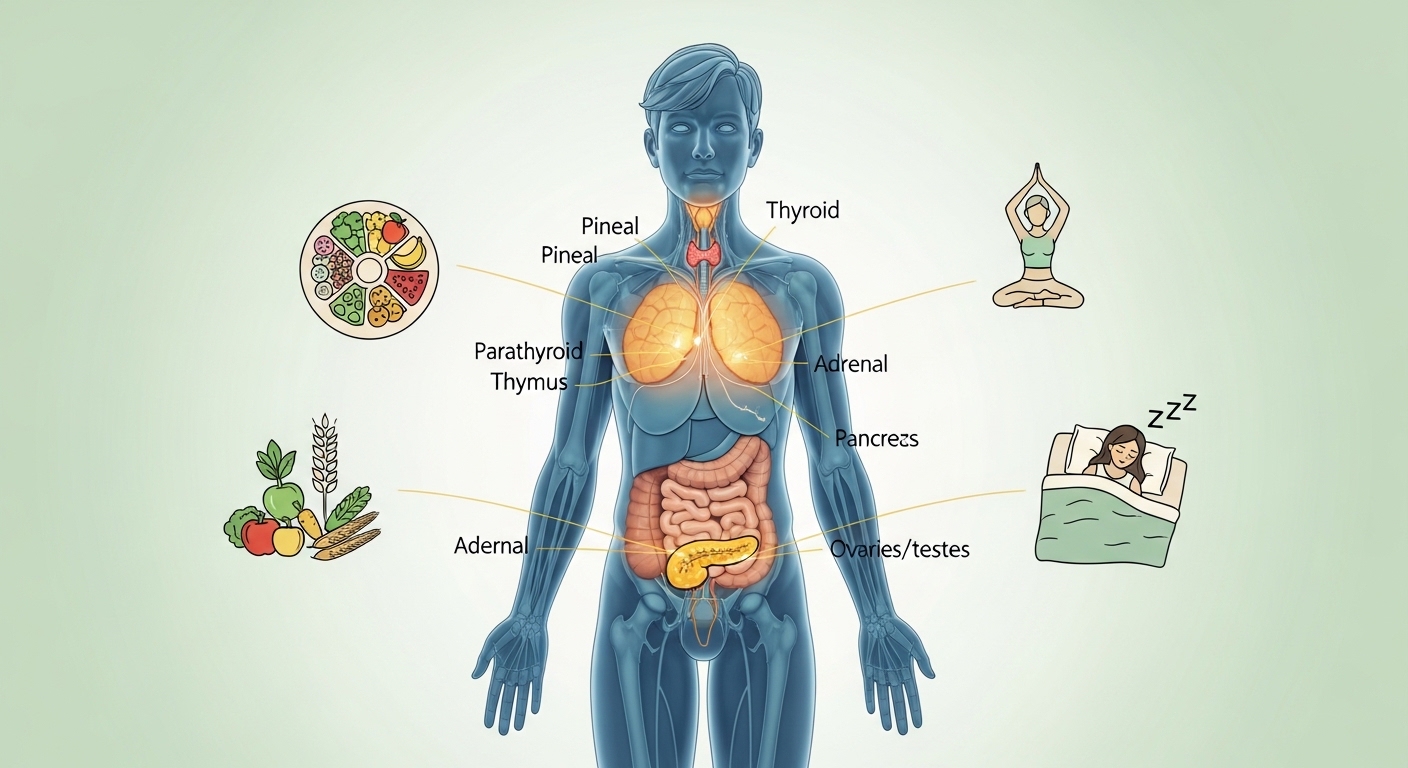
How to maintain hormonal balance for better health is a question many people ask when dealing with fatigue, weight changes, mood swings, skin problems, or irregular sleep. Hormones control almost every major process in the body, from metabolism and growth to mood, reproduction, and energy levels. When they fall out of balance, your overall wellbeing can suffer.
The good news is that hormonal balance is not just about medication or medical treatment. Daily habits, nutrition, stress management, and lifestyle choices all play a powerful role. In this guide, you will learn practical, science-backed ways to support your hormones naturally and sustainably.
What Is Hormonal Balance and Why Does It Matter?
Hormones are chemical messengers released by endocrine glands such as the thyroid, adrenal glands, pancreas, and reproductive organs. They travel through the bloodstream to regulate how organs and tissues function.
Hormonal balance means these messengers are produced in the right amounts at the right time. Even small imbalances can disrupt the body. For example, too much cortisol can increase stress and fat storage, while low thyroid hormones can slow metabolism.
Learning how to maintain hormonal balance for better health helps improve:
- Energy and focus
- Weight management
- Mood and emotional stability
- Sleep quality
- Reproductive and metabolic health
Common Signs of Hormonal Imbalance
Hormonal imbalances can affect both men and women. Symptoms vary depending on which hormones are affected.
Physical Symptoms
- Unexplained weight gain or loss
- Persistent fatigue
- Digestive problems
- Hair thinning or acne
Mental and Emotional Symptoms
- Mood swings or anxiety
- Brain fog
- Low motivation
- Poor concentration
Recognizing these signs early is key when learning how to maintain hormonal balance for better health.
Eat a Hormone-Friendly Diet
Nutrition is one of the strongest tools for hormonal health. Hormones are made from nutrients, so poor food choices can disrupt their production.
Prioritize Whole Foods
Focus on whole, minimally processed foods. These provide essential vitamins and minerals needed for hormone synthesis.
- Lean proteins such as fish, eggs, and legumes
- Healthy fats from olive oil, avocados, and nuts
- Complex carbohydrates like whole grains and vegetables
A balanced plate supports insulin, estrogen, and cortisol regulation.
Reduce Sugar and Refined Carbs
Excess sugar spikes insulin levels and can lead to insulin resistance over time. This affects weight, energy, and metabolic hormones.
Replacing sugary snacks with fiber-rich foods helps stabilize blood sugar. This is a core principle in how to maintain hormonal balance for better health.
Manage Stress Effectively
Chronic stress is one of the biggest disruptors of hormonal health. When stress levels stay high, the body releases excess cortisol.
High cortisol can suppress reproductive hormones, slow metabolism, and interfere with sleep.
Simple Stress-Reduction Strategies
- Deep breathing exercises
- Mindfulness or meditation
- Daily walks in nature
- Limiting screen time before bed
Think of stress management like building a sustainable online business. Without balance and structure, burnout is inevitable. The same applies to your hormones.
Sleep and Circadian Rhythm Matter
Sleep is essential for hormone regulation. Growth hormone, melatonin, and cortisol all follow circadian rhythms.
When sleep is disrupted, hormonal signals become confused.
Tips for Better Hormone-Supporting Sleep
- Sleep and wake up at consistent times
- Avoid caffeine late in the day
- Keep the bedroom dark and cool
- Limit blue light exposure at night
Quality sleep is one of the simplest answers to how to maintain hormonal balance for better health.
Exercise the Right Way
Movement supports hormone sensitivity and metabolism. However, too much intense exercise can backfire.
Best Types of Exercise for Hormones
- Strength training to support testosterone and growth hormone
- Moderate cardio for insulin sensitivity
- Yoga or stretching to lower cortisol
Balance is key. Just like choosing between affiliate vs dropshipping, there is no one-size-fits-all approach. The best routine is one you can maintain consistently.
Support Gut Health
The gut plays a major role in hormone metabolism, especially estrogen. An unhealthy gut can lead to hormone reabsorption and imbalance.
Improve Gut Health Naturally
- Eat probiotic-rich foods like yogurt and fermented vegetables
- Increase fiber intake
- Stay hydrated
A healthy gut improves nutrient absorption and hormone clearance.
Limit Hormone Disruptors
Environmental toxins, also known as endocrine disruptors, can interfere with hormone signaling.
Common Sources of Hormone Disruptors
- Plastic containers and bottles
- Harsh cleaning products
- Certain cosmetics and personal care items
Switching to safer alternatives is a long-term investment, similar to building passive income. Small changes compound over time.
Maintain a Healthy Weight
Excess body fat can alter estrogen and insulin levels. On the other hand, extreme calorie restriction can suppress thyroid and reproductive hormones.
A sustainable approach to weight management supports hormonal balance better than quick fixes.
Medical Checkups and Professional Guidance
If symptoms persist, medical evaluation is important. Blood tests can assess thyroid hormones, cortisol, insulin, and reproductive hormones.
Work with qualified healthcare professionals for personalized guidance. Reliable health resources such as
World Health Organization and
NHS provide evidence-based information.
For related wellness strategies, you may also explore our internal guide on
healthy lifestyle habits.
Long-Term Lifestyle Consistency
Understanding how to maintain hormonal balance for better health is not about short-term solutions. It is about consistency.
Think of hormonal health like running a successful affiliate marketing strategy or scaling a dropshipping business. Results come from steady effort, smart systems, and patience.
By combining nutrition, sleep, stress management, exercise, and environmental awareness, you create a strong foundation for hormonal harmony.
Final Thoughts
Hormonal balance is essential for overall wellbeing. While hormones may seem complex, the habits that support them are simple and achievable.
Focus on daily routines that nourish your body and mind. Over time, these changes can lead to better energy, mood, metabolism, and long-term health.
Start small, stay consistent, and let your body restore balance naturally.