
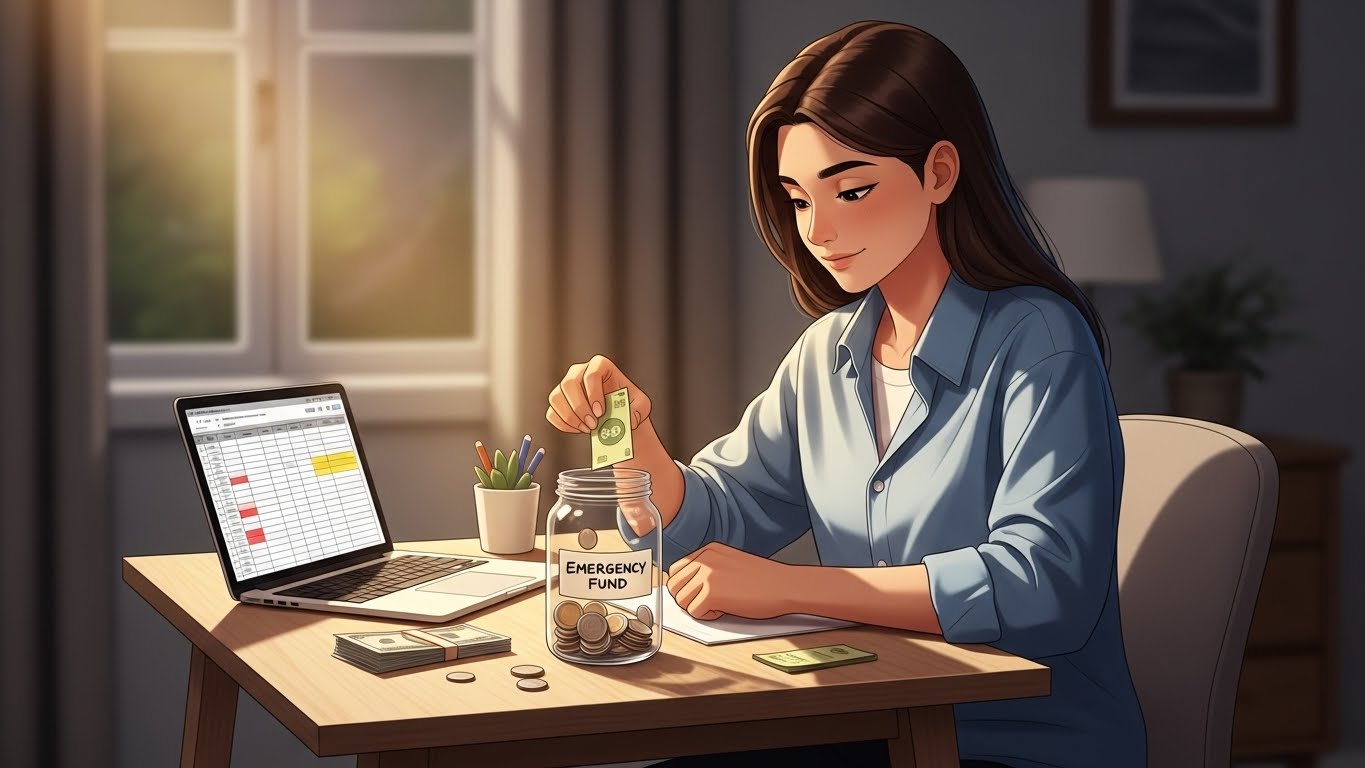
How to build an emergency fund even if you have a low income is one of the most important personal finance questions today. Rising living costs, unstable job markets, and unexpected expenses make financial security feel out of reach for many people. If you are living paycheck to paycheck, saving money may seem impossible.
The truth is that building an emergency fund is not about how much you earn. It is about strategy, consistency, and mindset. Even with a low income, you can create a safety net that protects you from debt and financial stress.
This guide will walk you through practical, realistic steps to build an emergency fund from scratch, no matter how small your income is.
What Is an Emergency Fund and Why You Need One
An emergency fund is money set aside to cover unexpected expenses such as medical bills, car repairs, job loss, or urgent travel. It prevents you from relying on credit cards, loans, or borrowing from others.
Without an emergency fund, a single financial shock can derail your budget for months or even years. With one, you gain peace of mind and control.
Most financial experts recommend saving three to six months of living expenses. However, if you have a low income, your first goal should be much smaller.
Start With a Realistic First Goal
If saving months of expenses feels overwhelming, start with £500 or $500. This amount can handle many common emergencies and build momentum.
Once you reach that goal, you can slowly increase it over time.
Change Your Mindset About Saving on a Low Income
The biggest obstacle to saving is often psychological. Many people believe that saving is only possible after earning more money. This belief keeps them stuck.
Instead, view saving as a habit, not a number. Even £1 saved consistently is progress.
Building this habit now prepares you for financial growth later, whether through career advancement, a side hustle, or an online business.
Track Every Pound or Dollar You Spend
To build an emergency fund, you need clarity. Tracking expenses shows where your money actually goes, not where you think it goes.
Use a simple spreadsheet, budgeting app, or notebook. Track everything for at least one month.
You will often find small leaks such as subscriptions, impulse purchases, or convenience spending.
Identify Expenses You Can Reduce
You do not need to cut everything you enjoy. Focus on reducing low-value spending.
Examples include unused subscriptions, frequent takeaway meals, or brand-name products you can replace with generic options.
Redirect these savings directly into your emergency fund.
Pay Yourself First, Even If It’s Small
One of the most effective strategies to build savings is paying yourself first.
As soon as you receive income, transfer a small amount to your emergency fund before spending anything else.
This could be £5, £10, or even £1. The amount matters less than the consistency.
Automate Your Savings
If possible, set up an automatic transfer to a separate savings account. Automation removes the temptation to skip saving.
Many banks allow recurring transfers with no fees. Choose a day right after payday.
Use Separate Accounts for Your Emergency Fund
Your emergency fund should be kept separate from your everyday spending money.
A high-interest savings account is ideal. It keeps your money accessible but not too easy to spend.
You can explore options from trusted financial institutions like
MoneyHelper
for guidance on choosing savings accounts.
Increase Income Strategically Without Burning Out
If cutting expenses is limited, increasing income can accelerate your emergency fund.
This does not mean working nonstop. It means choosing scalable and flexible options.
Explore Side Hustles and Digital Income
Many people start building financial security through freelancing, tutoring, or selling digital services.
Others explore affiliate marketing or e-commerce models like a dropshipping business.
Understanding the difference between affiliate vs dropshipping is important. Affiliate marketing focuses on promoting other companies’ products for commissions, while dropshipping involves selling physical products without holding inventory.
Both can support long-term passive income when built correctly, but they require time and learning upfront.
If you want to explore ethical ways to earn online, you can read our internal guide on
how to start an online business with no money.
Save Unexpected Money Immediately
Unexpected income is one of the fastest ways to grow your emergency fund.
This includes tax refunds, gifts, cashback rewards, bonuses, or refunds.
Instead of spending this money, commit to saving at least 50 to 100 percent of it.
You will be surprised how quickly your fund grows using this method.
Use the 30-Day Rule to Avoid Impulse Spending
Impulse purchases can destroy saving progress.
The 30-day rule helps you pause before buying non-essential items.
If you still want the item after 30 days and it fits your budget, you can buy it guilt-free.
Often, the urge disappears, and the money stays in your emergency fund.
Protect Your Emergency Fund From Misuse
An emergency fund is not for holidays, shopping, or planned expenses.
Define clearly what counts as an emergency.
Examples include medical emergencies, urgent home repairs, or temporary loss of income.
This clarity prevents emotional spending and keeps your fund intact.
Celebrate Small Wins to Stay Motivated
Saving on a low income requires patience. Celebrating progress keeps you motivated.
Every £50 or £100 milestone is worth acknowledging.
Progress builds confidence, and confidence builds financial discipline.
What to Do After You Build Your Emergency Fund
Once your emergency fund reaches your initial goal, do not stop.
Gradually expand it toward three to six months of expenses.
At the same time, you can begin focusing on debt reduction, investing, or building additional income streams.
This is where strategies like investing, skill development, or growing an online business become powerful tools.
Final Thoughts: Financial Security Is Possible on Any Income
How to build an emergency fund even if you have a low income is not about perfection. It is about persistence.
You do not need a high salary to start. You need a plan, discipline, and belief that small steps matter.
By tracking spending, saving consistently, and making smart income decisions, you can protect yourself from financial emergencies and create a stronger future.
Start today, even if it is small. Your future self will thank you.